What Is An ADR License?
 kallipso
on
November 7, 2025
kallipso
on
November 7, 2025
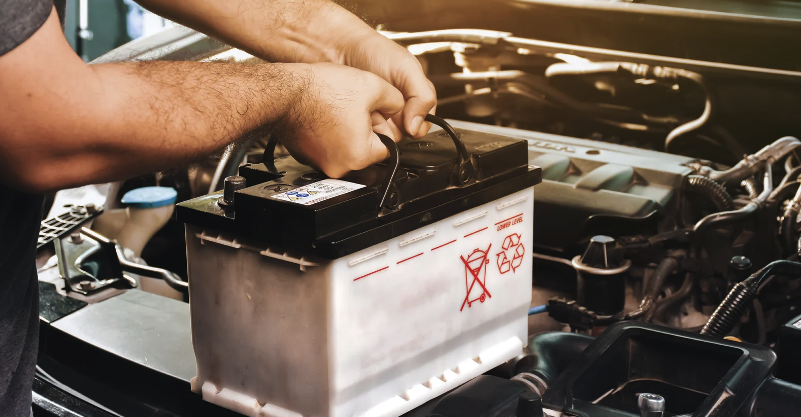
Understanding ADR Driving for Battery Transport
Transporting lithium batteries, electric vehicle packs, and other hazardous materials isn’t as simple as loading and driving. These items can pose serious fire, chemical, and environmental risks if not handled correctly. That’s where the ADR licence comes in.
If you’ve ever wondered what an ADR licence is, and why it’s essential for drivers moving batteries or other dangerous goods, this guide breaks it down clearly.
What Does ADR Stand For?
ADR stands for “Accord européen relatif au transport international des marchandises Dangereuses par Route”, or in English, the European Agreement concerning the International Carriage of Dangerous Goods by Road.
This agreement, established under the United Nations, sets out strict safety regulations governing how hazardous materials must be packaged, labelled, loaded, and transported across Europe.
What Is an ADR Licence?
An ADR licence (also known as an ADR driver training certificate) is a legal qualification required for drivers who transport dangerous goods by road within the UK and EU.
The licence confirms that a driver has been professionally trained and certified to:
- Understand the hazards associated with the materials being transported
- Follow safe handling, packaging, and documentation protocols
- Respond appropriately to emergencies, such as leaks, fires, or collisions.
Without a valid ADR licence, it’s illegal to transport many classes of dangerous goods, including certain types of lithium batteries.
Why Batteries Fall Under ADR Regulations
Batteries, particularly lithium-ion (Li-ion) and lithium-metal types, are classified as dangerous goods under ADR Class 9 (Miscellaneous Dangerous Substances).
This classification is due to:
- Fire risk: Lithium batteries can ignite if damaged or improperly packaged.
- Chemical hazard: Electrolytes inside can leak and react with moisture or air.
- Thermal runaway: A short circuit or overheating can cause cascading failure.
Because of these risks, transporting lithium batteries requires ADR compliance.
Types of ADR Training and Certificates
ADR training is modular, meaning drivers take courses tailored to the goods they carry. Common categories include:
| ADR Class | Type of Material | Relevance to Batteries |
|---|---|---|
|
Class 3 |
Flammable liquids |
Relevant for battery electrolytes or transport solvents. |
|
Class 8 |
Corrosive substances |
Applies to certain battery chemicals. |
|
Class 9 |
Miscellaneous dangerous substances |
Includes lithium-ion and lithium-metal batteries. |
Drivers may also take specialist modules if transporting batteries in tankers, containers, or bulk loads.
Who Needs an ADR Licence?
You need an ADR licence if you:
- Transport lithium-ion or lithium-metal batteries for recycling, disposal, or resale
- Drive electric vehicles containing high-capacity battery packs as part of logistics operations
- Work in battery manufacturing, recycling, or waste management where battery transport is part of your role
- Move damaged, defective, or recalled lithium batteries — these are subject to extra ADR restrictions
Even small companies moving used batteries to recycling facilities must comply with ADR rules, depending on the quantity and hazard classification.
How to Obtain an ADR Licence
- Attend an Approved ADR Training Course
Training covers hazard awareness, vehicle safety, documentation, first aid, and fire response.
- Pass the Examination
Conducted by the Scottish Qualifications Authority (SQA) or other approved bodies.
- Receive Your ADR Card
The card is valid for five years and must be renewed through refresher training.
- Comply with Ongoing Regulations
Keep up to date with packaging, labelling, and transport documentation requirements under ADR, RID, and IMDG where applicable.
Why ADR Licensing Matters for the Battery Industry
With the rapid growth of electric vehicles, renewable energy storage, and battery recycling, ADR compliance is more crucial than ever.
- Safety: Prevents fires, leaks, and accidents during transport.
- Legal compliance: Avoids fines, penalties, and business disruptions.
- Reputation: Demonstrates professionalism and environmental responsibility.
- Sustainability: Enables safe recycling of end-of-life batteries, supporting circular economy goals.
In short, the ADR licence isn’t just a legal box to tick, it’s a vital safeguard for people, property, and the planet.
As the battery economy expands, so does the responsibility to transport energy safely. The ADR licence ensures drivers and companies have the skills and knowledge to manage these risks responsibly.
Whether you’re moving new EV batteries, collecting spent cells for recycling, or handling damaged packs after an accident, ADR-certified transport keeps supply chains compliant.