Are AA Alkaline Batteries Rechargeable?
 alona
on
April 17, 2026
alona
on
April 17, 2026
Can You Recharge AA Alkaline Batteries? A Complete Guide to Battery Types
The question “Are AA alkaline batteries rechargeable?” often comes up when selecting power sources for everyday electronics. The clear, correct answer is that alkaline batteries are not rechargeable, since they’re built for one-time discharge and should be replaced after they run out of energy.
AA alkaline cells are commonly found in remote controls, wall clocks, and many household devices thanks to their long storage life, consistent voltage delivery, and budget-friendly performance versus many other battery options.
Can AA Alkaline Batteries Be Recharged? A Full Scientific Explanation
To truly understand whether AA alkaline batteries can be recharged, it helps to examine the underlying chemistry. Alkaline batteries produce power through a largely one-way reaction between zinc and manganese dioxide. After that reaction finishes, it isn’t designed to be safely reversed.
Unlike lithium‑ion (Li‑ion) batteries, alkaline batteries are not built to handle repeated recharge cycles. Trying to recharge them may trigger internal pressure accumulation, leakage, overheating, or irreversible physical damage.
Trusted industry side‑by‑side AA battery specification charts highlight a clear separation between single‑use alkaline cells and the rechargeable chemistries that power today’s electronics.
Battery Types Commonly Found in Household Devices and Electronics
Battery chemistries exist to meet different power demands. Alkaline batteries typically fit low‑drain, everyday items like TV remotes and wall clocks, where consistent output and long shelf-life matter more than the ability to recharge.
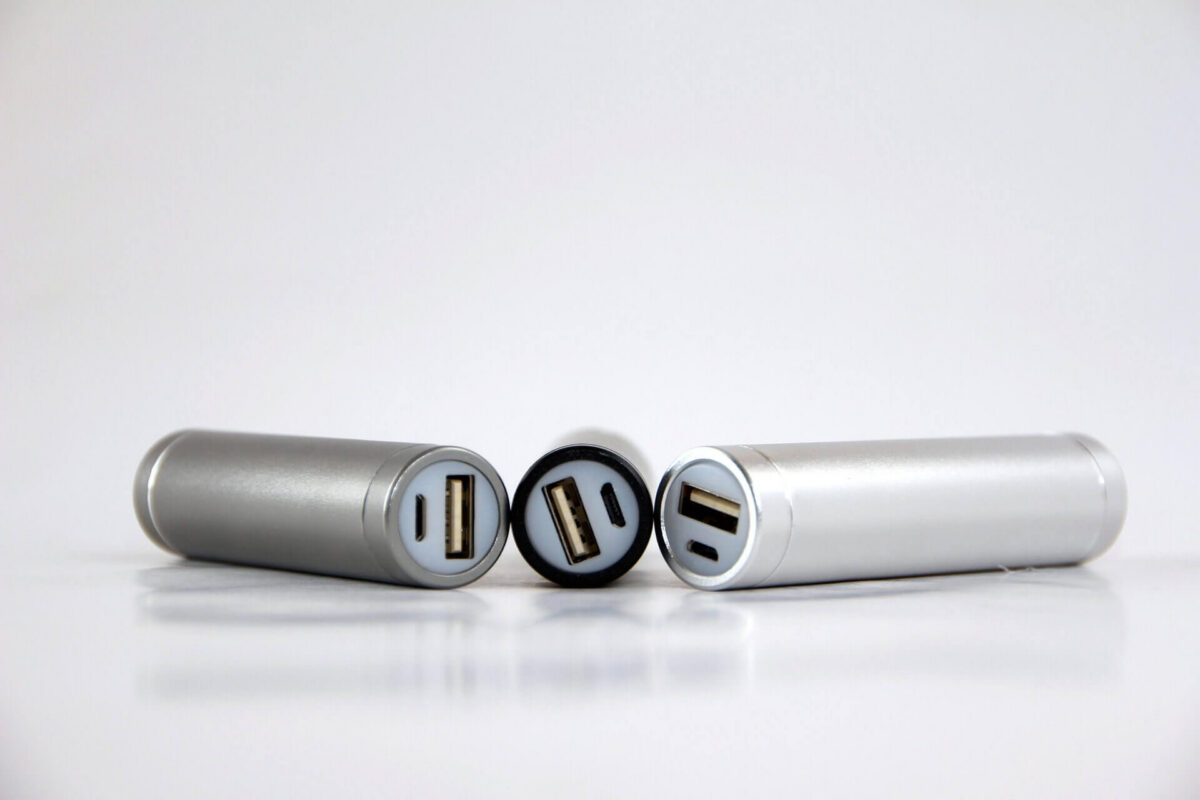
Lithium‑ion (Li‑ion) batteries are common in high‑energy uses such as digital cameras and portable electronics. They’re engineered for high‑drain devices and deliver efficient, rechargeable power for modern tech.
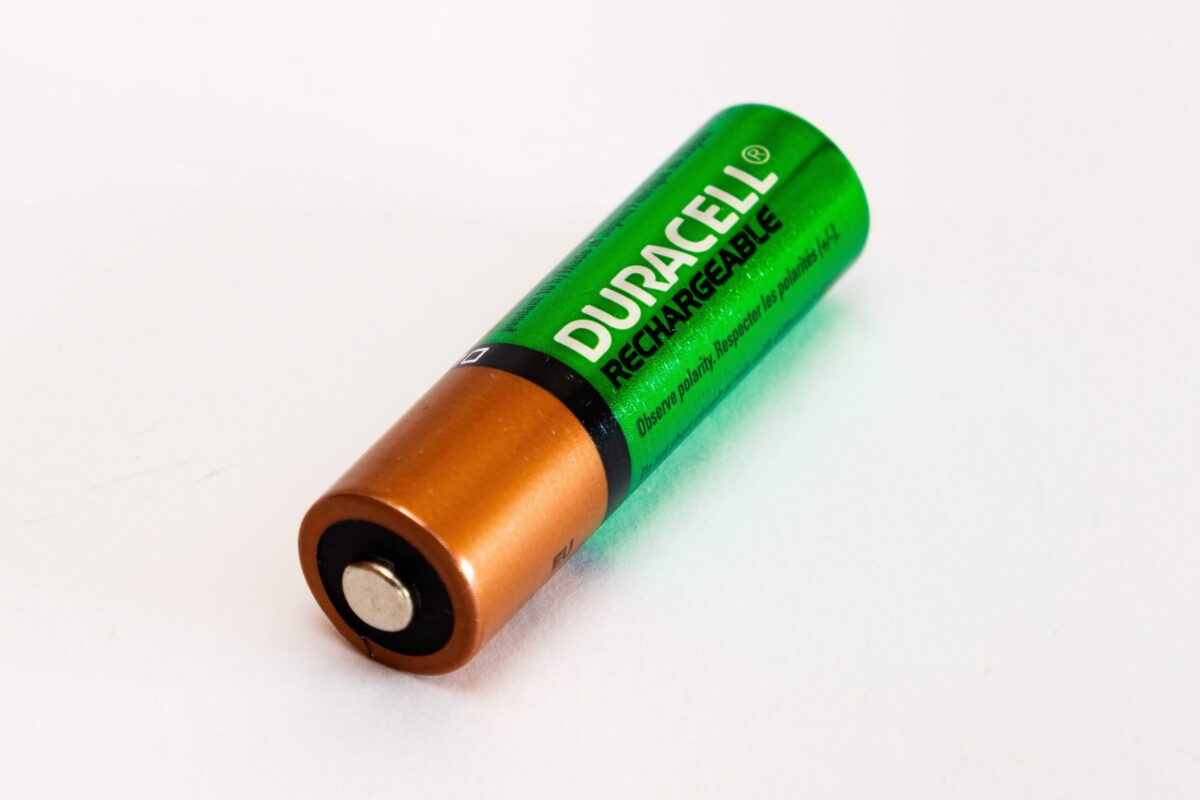
Rechargeable AA batteries, particularly NiMH types, are widely chosen for high-use devices because they can be topped up hundreds of times and still deliver consistent, reliable output.
By comparison, AA alkaline battery specs from manufacturers emphasize long shelf life and strong performance in low-drain applications.
Why Alkaline Batteries Leak and Become Unsafe
Alkaline cells often break down after they’re fully depleted or left sitting in storage for extended periods. Over time, this deterioration can cause leaks, allowing corrosive internal materials to seep out and harm electronics.
Leaks happen as internal pressure shifts and the battery’s chemistry slowly degrades. Once leaking begins, the escaping compounds can corrode terminals in devices like TV remotes or wall clocks, sometimes leaving them permanently inoperable.
That’s why alkaline batteries should be removed from devices you won’t use for a while and discarded properly to avoid damage and environmental contamination.
Rechargeable AA Batteries vs Alkaline Batteries
Rechargeable AA batteries are built to handle multiple recharge cycles and work especially well in high‑drain gadgets like digital cameras and portable electronics. Over time, they can lower total ownership costs and help cut down on waste.
Alkaline batteries, by contrast, tend to be the more economical choice for infrequent use and fit best in low‑drain, everyday devices. Thanks to their extended shelf life, they’re also a practical option for emergency kits, storage, or backup power.
While a few experimental approaches suggest that alkaline cells can be recharged, these methods aren’t commonly used because results are modest compared with dedicated rechargeable AAs and lithium‑ion options.
More detailed technical notes on alkaline recharge limits and related safety issues are available here:
Safety Risks of Recharging Alkaline Batteries
Trying to recharge alkaline batteries can be hazardous. Since they aren’t engineered for reverse chemistry, charging can lead to heat buildup, bulging, leaks, or even bursting.
Furthermore, gas accumulation within a battery can raise internal pressure, potentially harming both the battery itself and the device it powers.
To ensure safe, dependable power, rechargeable AA batteries or lithium-ion batteries are the preferred options for situations that involve repeated recharging.
Choosing the Right Battery for Your Device
Picking the best battery comes down to the device’s energy demands. Low-drain devices like remote controls and wall clocks perform well with alkaline batteries thanks to their long shelf life and steady discharge profile.
High-drain devices such as digital cameras and portable electronics typically need rechargeable AA batteries or Li-ion batteries, since they provide reliable high output and are designed to handle frequent recharge cycles.
Knowing the differences between battery types can boost device performance, lower long-term expenses, and help avoid damage that results from choosing the wrong battery.