
How To Know if a Car Battery Is Dead
 alona
on
May 22, 2026
alona
on
May 22, 2026
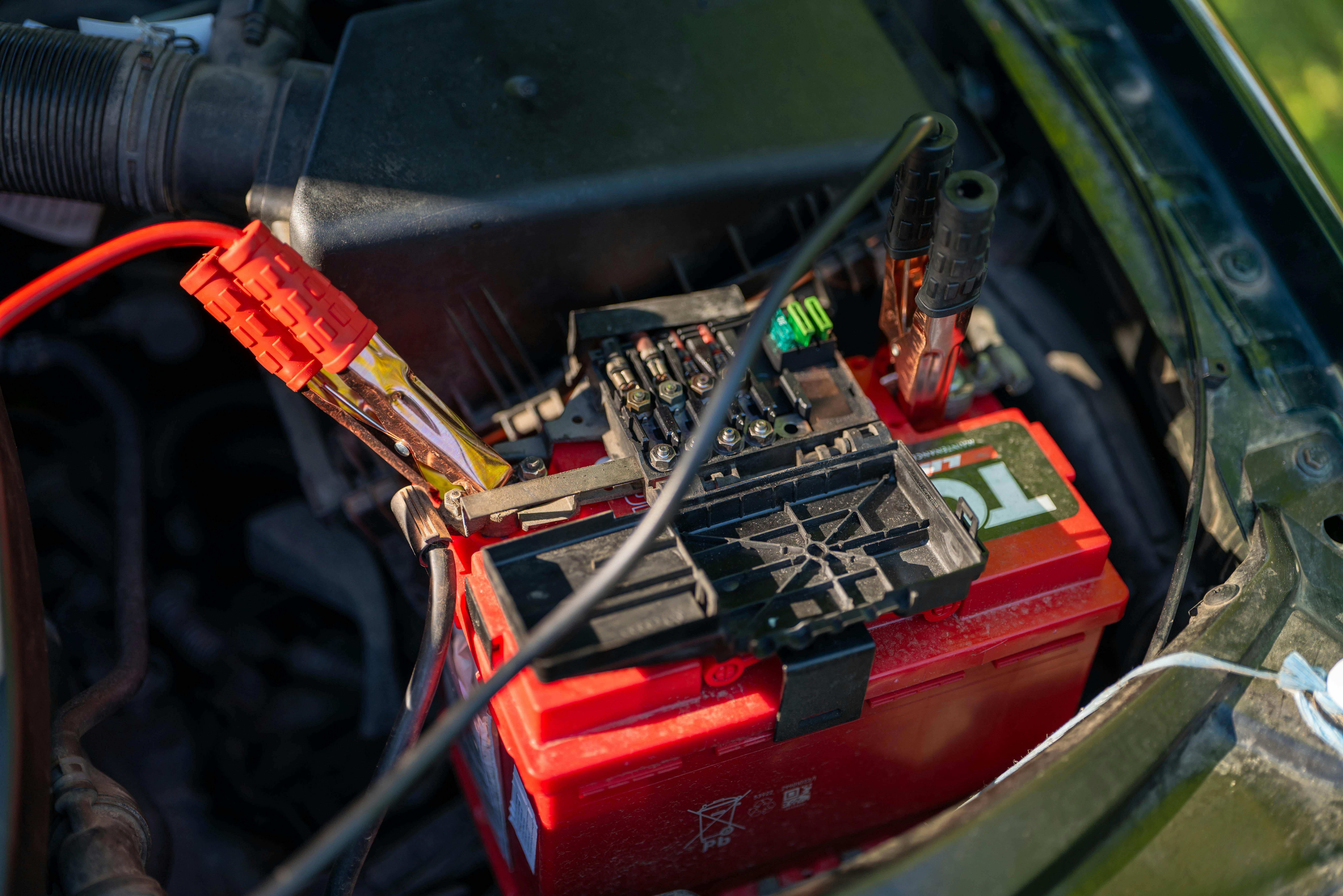
Understanding how to know if a car battery is dead can help drivers avoid unexpected breakdowns, costly recovery fees, and serious vehicle problems. Most car batteries fail gradually, meaning warning signs usually appear before the battery stops working completely. This guide also covers checking a dead car battery issue and quick steps to confirm the cause.
A weak battery affects engine performance, electrical systems, and overall vehicle reliability. Problems such as dim headlights, dashboard warning lights, and slow engine cranking often indicate battery failure. In some cases, faults within the charging system or a worn alternator belt may also contribute to battery issues.
Learning to identify these symptoms early can save time, money, and unnecessary stress.
How Can You Tell if a Car Battery Is Dead?
A dead car battery usually causes slow engine cranking, clicking noises, dim headlights, dashboard battery warnings, and electrical problems. Common signs include difficulty starting the engine, weak power to accessories, and repeated jump-start situations. Corroded battery terminals and charging system faults may also indicate battery failure.
Common Signs a Car Battery Is Dead
One of the clearest signs of battery failure is difficulty trying to start the car. If the engine turns over slowly or struggles during ignition, the battery may no longer hold enough charge to operate properly.
Drivers often hear a clicking sound when pressing the ignition button or turning the key. This happens because the battery lacks sufficient voltage to power the starter motor fully.
Electrical issues can also indicate battery problems. Dim headlights, flickering dashboard lights, and a slow-moving electric window suggest an unstable power supply from the battery. Modern vehicles rely heavily on electrical systems, making battery health increasingly important.
A battery warning light appearing on the dashboard may indicate problems with both the battery and the charging system. If the light remains active while driving, the alternator belt or alternator itself may not be charging the battery correctly.
What Causes Car Batteries to Fail?
Several common factors reduce battery lifespan and performance:
Cold weather places additional strain on car batteries because low temperatures slow internal chemical reactions. Winter conditions across the UK often increase battery-related breakdowns.
Frequent short journeys also reduce battery efficiency. The charging system requires enough driving time to recharge the battery properly. Repeated short trips prevent full charging cycles and gradually weaken battery capacity.
Corrosion around battery terminals can interrupt electrical flow and make it difficult to start the engine. Dirt, moisture, and oxidation commonly build up around the connections over time.
Leaving headlights, heaters, or interior electronics switched on overnight can completely drain battery power. Even newer batteries may fail after extended electrical drain.
Older car batteries naturally lose performance with age. Most batteries require replacement after three to five years, depending on driving habits and weather conditions.
How to Check if a Car Battery Is Dead
Several simple inspections can help determine whether the battery is failing. Use these steps as a quick dead car battery check before calling for assistance.
- Start by turning on the headlights before ignition. Bright headlights usually indicate remaining battery charge, while weak or fading lights suggest low voltage.
- Inspect the battery carefully under the bonnet. Corrosion, cracked casing, loose connections, or swollen battery sides often indicate damage or wear. Cleaning dirty battery terminals can improve electrical performance immediately.
- Using a multimeter provides a more accurate battery test. A healthy battery generally measures around 12.6 volts when the engine is switched off. Lower readings may indicate the battery is dead or close to failure.
- Drivers can also attempt a jump start using jumper cables connected to another vehicle. If the engine starts successfully but struggles again later, battery replacement may be necessary.
Proper disposal and recycling of old items also help reduce environmental waste and improve safety standards.
Signs the Charging System May Be Faulty
Battery failure is not always the root problem. Faults within the charging system can prevent the battery from receiving sufficient power while driving.
A worn alternator belt may slip or stop functioning correctly, reducing charging efficiency. This often causes dim lights, weak electrical performance, and repeated battery drain.
If the battery warning light remains illuminated after starting the engine, the alternator may require professional inspection. Ignoring charging system faults can eventually damage both the battery and engine electronics.Routine servicing helps identify alternator and charging issues before complete failure occurs.
When Battery Replacement Is Necessary
Battery replacement becomes necessary when the vehicle repeatedly struggles to start or requires frequent jump starts. Older batteries that fail voltage tests should also be replaced immediately.
Drivers may notice worsening electrical performance, unreliable ignition, and inconsistent dashboard lighting before complete battery failure occurs.
Choosing high-quality replacement batteries improves reliability, engine performance, and charging efficiency.
Safe disposal methods are equally important. Many recycling centres now offer environmentally responsible solutions for battery replacement and lithium battery processing.
How to Prevent Car Battery Problems
Preventative maintenance can significantly extend battery lifespan.
Driving longer distances occasionally allows the charging system to restore battery power fully. This is especially important for vehicles mainly used for short local trips.
Keeping battery terminals clean prevents corrosion and improves conductivity. Regular inspections also help identify loose connections before they become serious.
Switching off lights, charging cables, and accessories before leaving the vehicle reduces unnecessary power drain. Drivers should also monitor electrical performance regularly, especially during colder months.
Many UK garages offer a free battery inspection service, helping drivers identify early signs of battery weakness before a breakdown occurs.
Learning how to know if a car battery is dead allows drivers to recognise warning signs early and prevent serious vehicle problems. Slow engine cranking, dim headlights, dashboard alerts, and repeated jump-start situations are all strong indicators of battery failure.
Regular maintenance, clean battery terminals, and proper charging system inspections can improve battery lifespan and vehicle reliability. When symptoms continue, professional battery replacement is often the safest and most cost-effective solution.