How To Maintain EV Battery Life

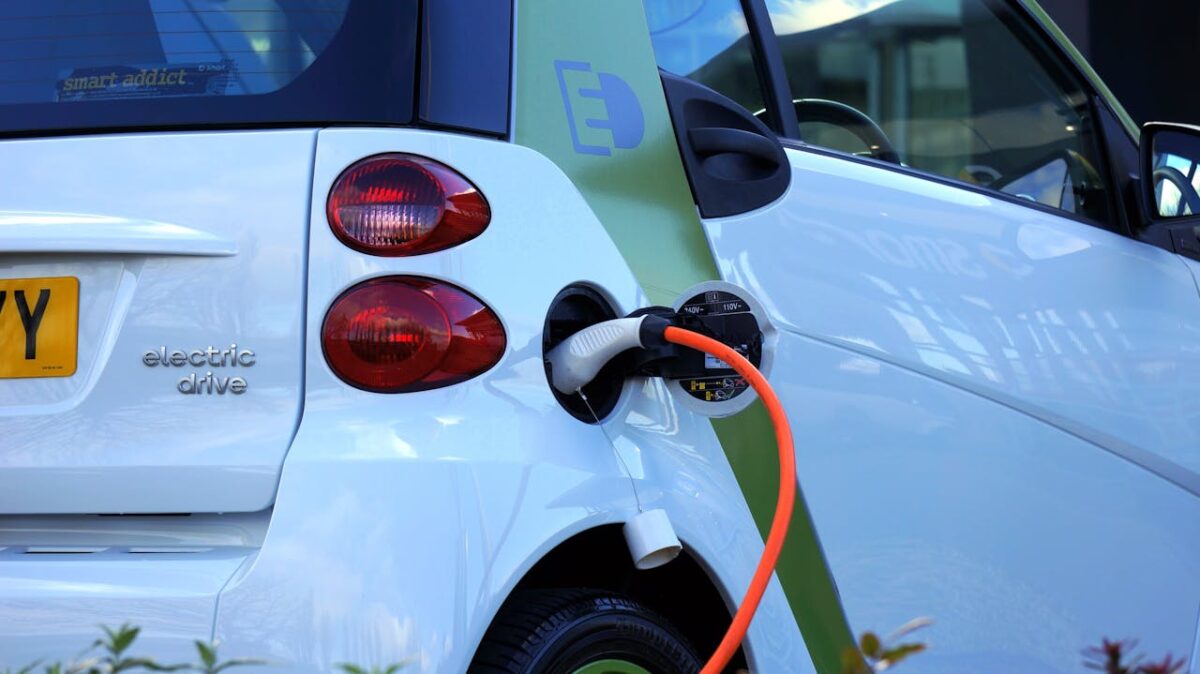
Electric vehicle batteries are designed to be durable, reliable, and long-lasting, often capable of powering a vehicle for well over 100,000 miles. Still, like any battery, their long-term performance depends on how they’re used and maintained. By adopting a few simple habits, EV drivers can help preserve capacity and protect the overall health of the battery pack.

EV batteries naturally degrade over time, but the right charging routines, driving behaviours, and environmental considerations can slow this process significantly. 

Below, we outline the three most effective steps to keep your battery performing at its best.

3 Steps To Maintain Your Electric Vehicle Battery Life

  1. Keep Your State of Charge Within a Healthy Range

Lithium-ion batteries last longest when they operate between 20% and 80% state of charge. Regularly charging to 100% or allowing the battery to run extremely low can place additional stress on the cells.

  • Use scheduled charging to stop at 80% for daily driving.
  • Reserve 100% charges for long journeys where you need the full range.
    This simple adjustment can noticeably improve long-term battery health.
  1. Limit Frequent Rapid (DC) Fast Charging

Rapid chargers are incredibly convenient, but they generate more heat and place higher demand on the battery. Occasional use is fine, but relying on DC fast charging as your primary method can speed up degradation.

Whenever possible:

  • Use slower AC charging at home or at work.
  • Save rapid charging for road trips, emergencies, or occasional top-ups.
  1. Protect Your EV From Extreme Temperatures

Heat is the biggest enemy of lithium-ion batteries. Very cold temperatures also reduce efficiency temporarily. To support the battery’s thermal management system:

  • Park in the shade or a garage during hot weather.
  • Pre-condition the battery before driving or charging in winter.
  • Avoid charging immediately after long, hot drives, let the battery cool first.

These practices help your battery stay within its ideal temperature range, ensuring better performance and longer lifespan.

How To Dispose Of EV Batteries At The End Of Their Life

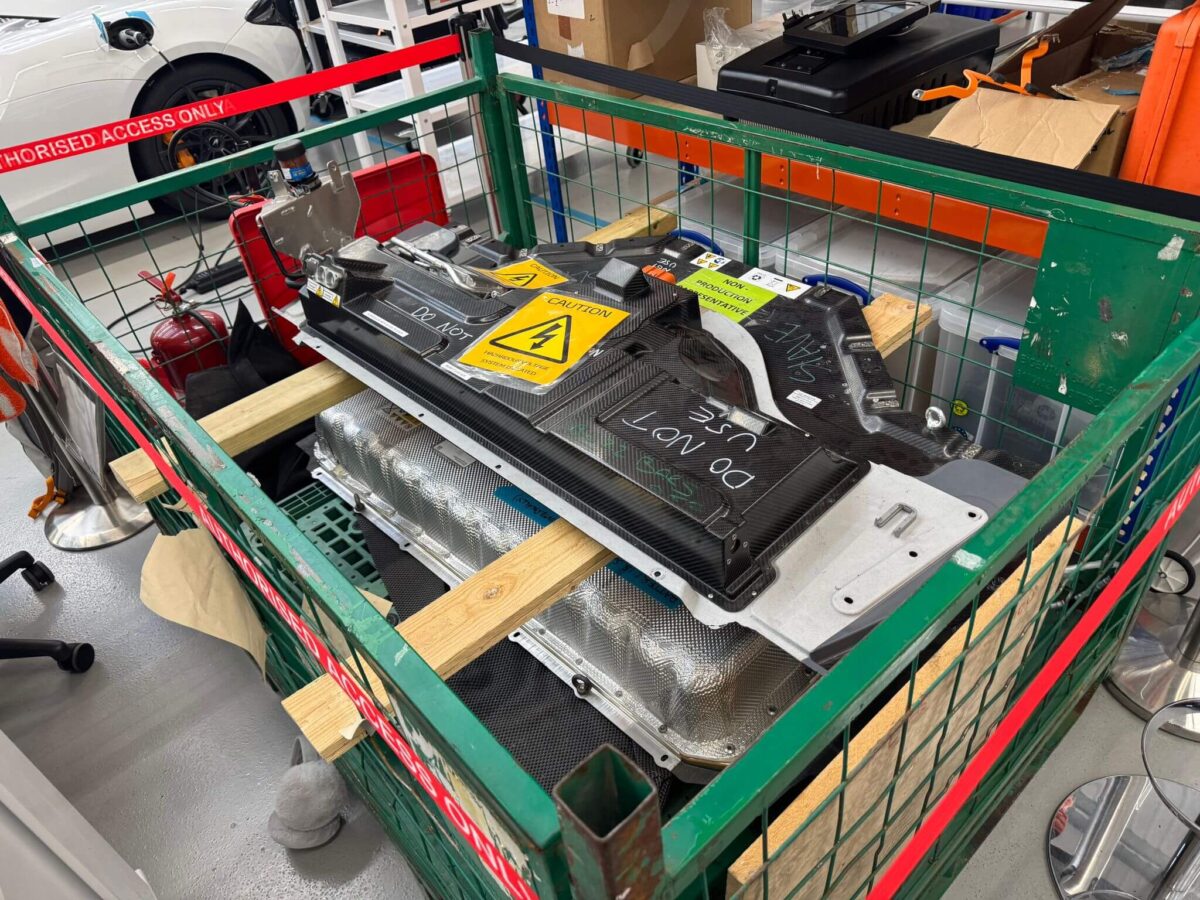
When an EV battery reaches the end of its usable life in a vehicle, it should never be thrown away or sent to landfill. EV batteries contain valuable materials, including lithium, nickel, cobalt, and copper,  that can be recovered and recycled. Proper disposal is essential for both safety and environmental compliance.

Our professional team collects and transports EV batteries safely and in full compliance with regulations such as ADR. This waste is taken to licensed recycling facilities for safe repurposing.

Who Invented The Lithium Battery?

The story of the lithium battery is not the result of a single “eureka” moment. Instead, it’s a progression of breakthroughs by several scientists over decades.

The First Steps: M. Stanley Whittingham

In the early 1970s, while working at Exxon, Whittingham developed what many consider the first functional lithium-based rechargeable battery. His design paired a titanium disulfide (TiS₂) cathode with a metallic lithium (later lithium-aluminum alloy) anode. 

That battery used the principle of intercalation, lithium ions would move in and out of crystal lattices in the cathode during charge and discharge, making the cell rechargeable. 

However, while promising, Whittingham’s battery had serious drawbacks. The metallic lithium anode was unstable and prone to forming dendrites (tiny, branch-like metallic structures) which could short-circuit the cell, making long-term use unsafe. Because of those safety concerns and technical difficulties, this early design was never commercialised on a large scale.

The Breakthrough Cathode: John B. Goodenough

In 1980, Goodenough and his research team (then at University of Oxford) made a pivotal advance: they replaced titanium disulfide with a lithium cobalt oxide (LiCoO₂) cathode. This metal-oxide material allowed a higher voltage, roughly double that of Whittingham’s design, making the battery far more energy-dense and practical. 

This improvement was critical: higher voltage and greater energy density made lithium batteries suitable for portable electronics and eventually many other applications. 

Yet at this point, the anode was still metallic lithium, meaning safety issues were likely to remain.

Commercialisation: Akira Yoshino and the First Practical Battery

The final piece came when Yoshino, building on Goodenough’s cathode, substituted the unstable lithium-metal anode with a safer carbon-based material (petroleum coke/graphite) capable of intercalating lithium ions. This major shift significantly improved safety and enabled creation of the first commercially viable lithium-ion battery in the mid-1980s. 

In 1991, this technology, combining Goodenough’s cathode and Yoshino’s safer anode, was brought to market, laying the foundation for the lithium-ion batteries that power modern electronics, electric vehicles, and energy storage systems worldwide. 

Recognition — A Shared Legacy

Because the development was stepwise and collaborative, credit for inventing the lithium-ion battery is shared among Whittingham, Goodenough, and Yoshino. In 2019, the Royal Swedish Academy of Sciences awarded them the Nobel Prize in Chemistry for their combined contributions. 

Lithium Batteries Today

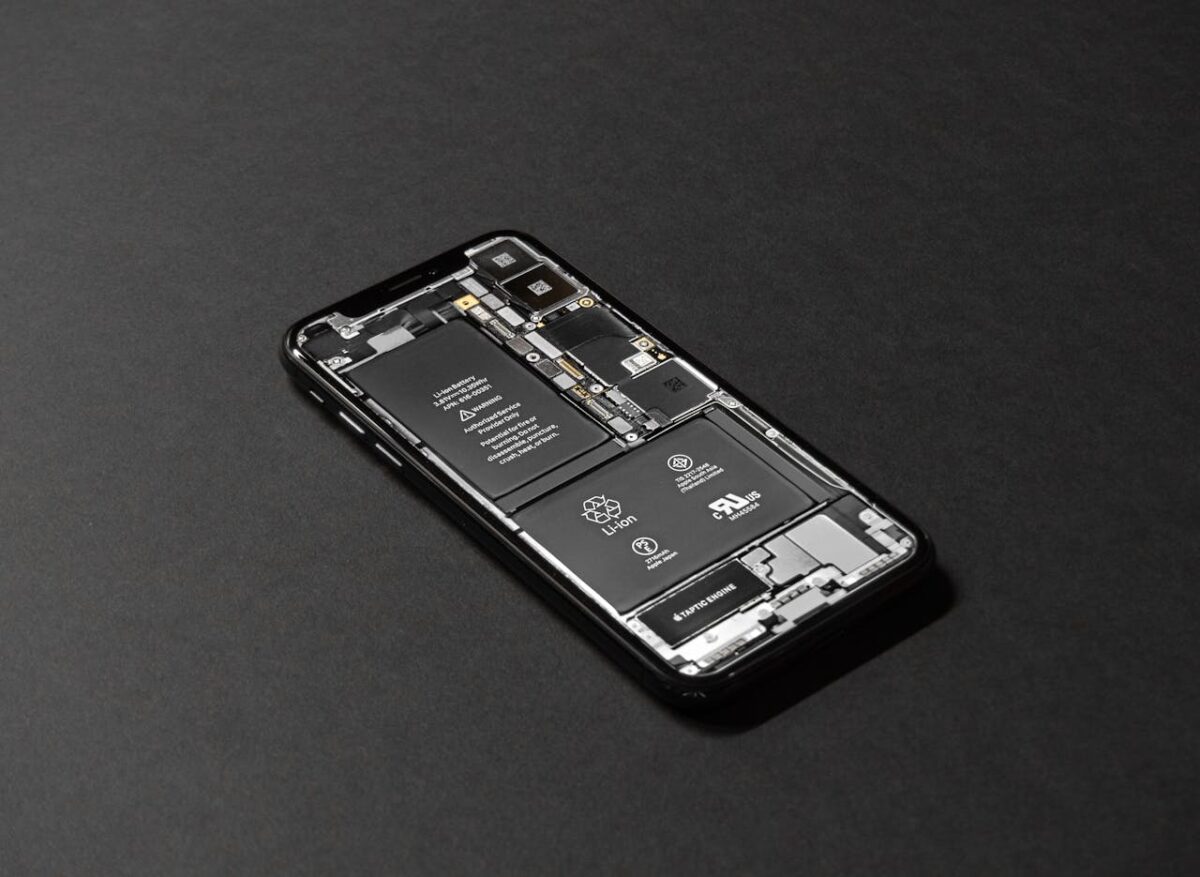
Today, lithium-ion batteries are at the heart of modern energy storage. They power everything from mobile phones and laptops to electric vehicles, industrial equipment, and large-scale grid storage systems. Their high energy density, long cycle life, and ability to deliver reliable performance have made them the dominant technology in a world increasingly shaped by electrification.

Continued innovation is also improving their safety, efficiency, and sustainability. New chemistries such as lithium iron phosphate (LFP) and high-nickel NMC variants are tailored for different applications, balancing factors like cost, weight, thermal stability, and energy output. At the same time, the industry is investing heavily in recycling and circular-economy solutions to recover valuable materials and reduce reliance on mining.

Looking ahead, lithium batteries will remain central to the global energy transition As research advances and recycling processes mature, lithium-ion batteries are set to become even more sustainable, helping drive a lower-carbon future for businesses and consumers alike.

Motorcycle Manufacturer Case Study

Case Study: Management of Motorcycle Lithium Batteries for a Manufacturer

Client Overview

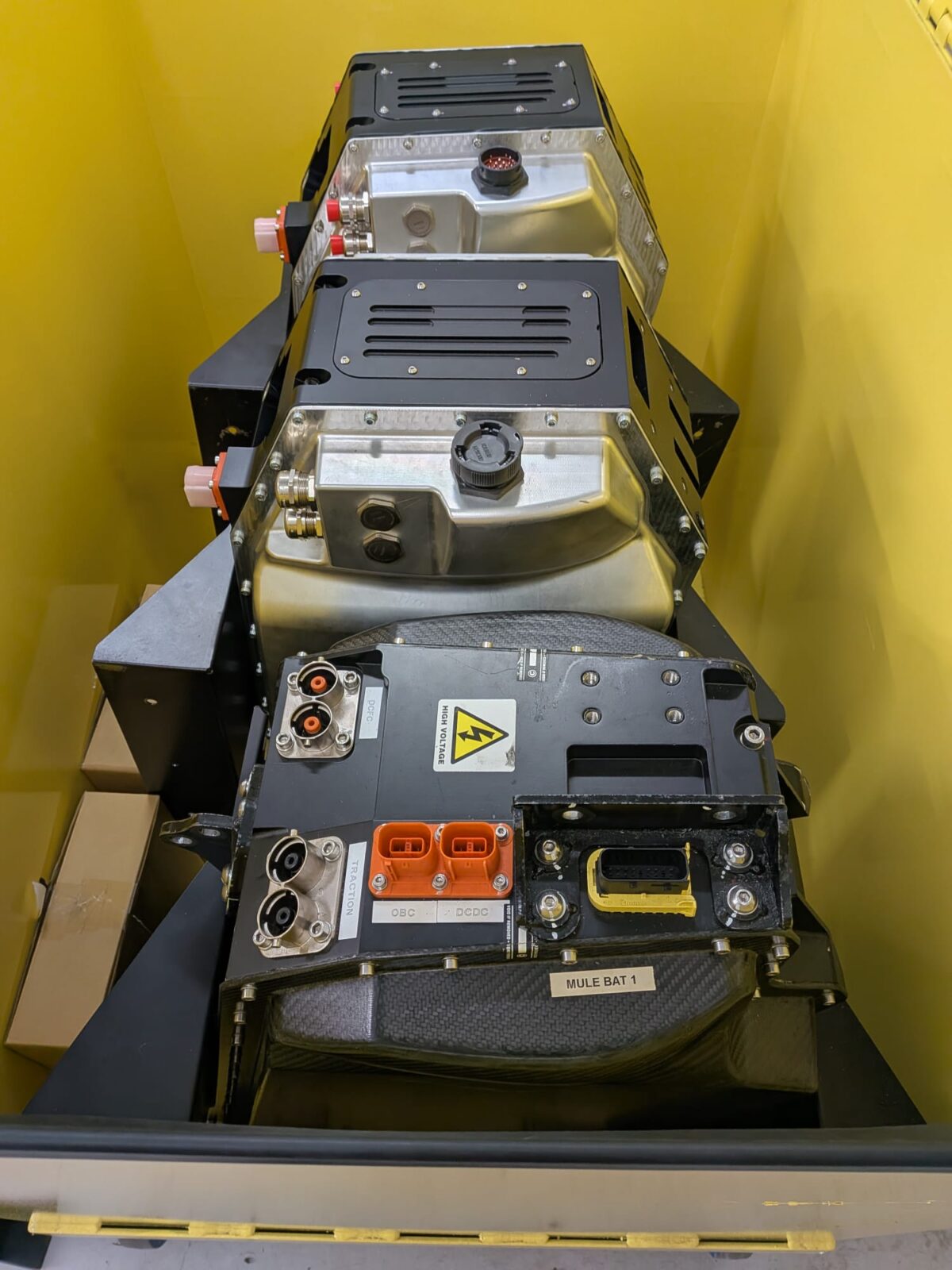
A UK motorcycle manufacturer required a trusted partner to collect and manage multiple end-of-life lithium batteries generated. With a focus on compliance, safety, and sustainability, the business needed a specialist service capable of handling these batteries reliably and with full traceability.

Project Requirement

The client needed a scheduled collection service for a batch of motorcycle lithium batteries. Their priorities were:

  • Fully compliant handling and transport
  • Safe removal of batteries from site
  • Minimal disruption to their daily operations
  • An environmentally responsible recycling route
  • Clear documentation for audit and duty-of-care requirements

As lithium batteries present heightened storage and transport risks, the client needed reassurance that the entire process would be professionally managed from collection through to final processing.

Our Approach

We coordinated a tailored collection plan designed around the client’s operational timetable. On the day of collection, our ADR-trained operatives arrived for the safe and compliant transport of lithium batteries. Each unit was checked, documented, and secured following industry best practices, ensuring safety throughout loading and transit.

Execution of the Collection

  • Arrival of a licensed collection vehicle at the scheduled time
  • Verification and recording of all batteries designated for removal
  • Secure packing and isolation of lithium batteries for transport
  • Controlled loading to avoid any disruption to the client’s workspace
  • Immediate removal of all waste batteries from site

Our streamlined process ensured the manufacturer experienced no operational downtime, while maintaining the highest level of safety.

Responsible Processing & Traceability

Once collected, the batteries were transferred to a specialist facility for responsible treatment. Full duty-of-care documentation was provided, giving the client a transparent record of the waste movement and treatment route. This included all relevant paperwork required for their environmental management systems.

Outcome

The motorcycle manufacturer benefited from:

  • A safe and efficient clearance of multiple lithium batteries
  • Reduced on-site risk and improved housekeeping
  • Complete regulatory compliance
  • Peace of mind knowing their waste was handled responsibly
  • A reliable partner for future battery-related waste requirements

This project demonstrates how a well-planned and expertly executed collection can help manufacturers maintain safe operations while meeting high environmental standards. 

By providing a dependable, compliant service, we continue supporting UK businesses as they manage the challenges of modern battery waste.

What Is An ADR License?

Understanding ADR Driving for Battery Transport

Transporting lithium batteries, electric vehicle packs, and other hazardous materials isn’t as simple as loading and driving. These items can pose serious fire, chemical, and environmental risks if not handled correctly. That’s where the ADR licence comes in.

If you’ve ever wondered what an ADR licence is, and why it’s essential for drivers moving batteries or other dangerous goods, this guide breaks it down clearly.

What Does ADR Stand For?

ADR stands for “Accord européen relatif au transport international des marchandises Dangereuses par Route”, or in English, the European Agreement concerning the International Carriage of Dangerous Goods by Road.

This agreement, established under the United Nations, sets out strict safety regulations governing how hazardous materials must be packaged, labelled, loaded, and transported across Europe.

What Is an ADR Licence?

An ADR licence (also known as an ADR driver training certificate) is a legal qualification required for drivers who transport dangerous goods by road within the UK and EU.

The licence confirms that a driver has been professionally trained and certified to:

  • Understand the hazards associated with the materials being transported
  • Follow safe handling, packaging, and documentation protocols
  • Respond appropriately to emergencies, such as leaks, fires, or collisions.

Without a valid ADR licence, it’s illegal to transport many classes of dangerous goods, including certain types of lithium batteries.

Why Batteries Fall Under ADR Regulations

Batteries, particularly lithium-ion (Li-ion) and lithium-metal types, are classified as dangerous goods under ADR Class 9 (Miscellaneous Dangerous Substances).

This classification is due to:

  • Fire risk: Lithium batteries can ignite if damaged or improperly packaged.
  • Chemical hazard: Electrolytes inside can leak and react with moisture or air.
  • Thermal runaway: A short circuit or overheating can cause cascading failure.

Because of these risks, transporting lithium batteries requires ADR compliance.

Types of ADR Training and Certificates

ADR training is modular, meaning drivers take courses tailored to the goods they carry. Common categories include:

ADR Class Type of Material Relevance to Batteries
Class 3
Flammable liquids
Relevant for battery electrolytes or transport solvents.
Class 8
Corrosive substances
Applies to certain battery chemicals.
Class 9
Miscellaneous dangerous substances
Includes lithium-ion and lithium-metal batteries.

Drivers may also take specialist modules if transporting batteries in tankers, containers, or bulk loads.

Who Needs an ADR Licence?

You need an ADR licence if you:

  • Transport lithium-ion or lithium-metal batteries for recycling, disposal, or resale
  • Drive electric vehicles containing high-capacity battery packs as part of logistics operations
  • Work in battery manufacturing, recycling, or waste management where battery transport is part of your role
  • Move damaged, defective, or recalled lithium batteries — these are subject to extra ADR restrictions

Even small companies moving used batteries to recycling facilities must comply with ADR rules, depending on the quantity and hazard classification.

How to Obtain an ADR Licence

  1. Attend an Approved ADR Training Course

Training covers hazard awareness, vehicle safety, documentation, first aid, and fire response.

  1. Pass the Examination

Conducted by the Scottish Qualifications Authority (SQA) or other approved bodies.

  1. Receive Your ADR Card

The card is valid for five years and must be renewed through refresher training.

  1. Comply with Ongoing Regulations

Keep up to date with packaging, labelling, and transport documentation requirements under ADR, RID, and IMDG where applicable.

Why ADR Licensing Matters for the Battery Industry

With the rapid growth of electric vehicles, renewable energy storage, and battery recycling, ADR compliance is more crucial than ever.

  • Safety: Prevents fires, leaks, and accidents during transport.
  • Legal compliance: Avoids fines, penalties, and business disruptions.
  • Reputation: Demonstrates professionalism and environmental responsibility.
  • Sustainability: Enables safe recycling of end-of-life batteries, supporting circular economy goals.

In short, the ADR licence isn’t just a legal box to tick, it’s a vital safeguard for people, property, and the planet.

As the battery economy expands, so does the responsibility to transport energy safely. The ADR licence ensures drivers and companies have the skills and knowledge to manage these risks responsibly.

Whether you’re moving new EV batteries, collecting spent cells for recycling, or handling damaged packs after an accident, ADR-certified transport keeps supply chains compliant.

Do Batteries Expire?

Batteries are everywhere, from your smartphone and laptop to electric vehicles and solar storage systems. But one common question often arises: do batteries expire? 

The short answer is yes, all batteries have a limited lifespan, but how and why they degrade depends on their chemistry, usage, and storage conditions.

Understanding Battery Expiration

When we talk about a battery “expiring,” we don’t mean it suddenly stops working on a certain date. Instead, expiration refers to the gradual loss of capacity and chemical degradation that prevent the battery from holding or delivering charge effectively.

Manufacturers often mark an “expiration date” or “best before” period on disposable batteries to indicate when performance is expected to start declining. For rechargeable batteries, this concept translates into cycle life, the number of charge/discharge cycles before capacity drops significantly.

Types of Batteries and Their Lifespan

Different battery chemistries age in unique ways. Here’s how long common types typically last:

Battery Type Typical Shelf Life Recharge Cycle Life Notes
Alkaline (AA, AAA)
5–10 years
N/A (non-rechargeable)
Store in a cool, dry place.
Lithium Primary (non-rechargeable)
10–15 years
N/A
Excellent shelf life; ideal for emergency devices.
Nickel-Metal Hydride (NiMH)
3–5 years
500–1000 cycles
Self-discharge can be high if not used regularly.
Lithium-ion (Li-ion)
2–5 years
300–500 cycles
Common in phones, laptops, and EVs; sensitive to heat.
Lead-acid
3–6 years
200–1000 cycles
Used in vehicles and backup power systems.

Why Batteries Expire: The Science Behind Degradation

Chemical Reactions Over Time

Batteries rely on controlled electrochemical reactions. Even when idle, small internal reactions continue, gradually reducing active material and causing self-discharge.

Temperature Effects

Heat accelerates chemical breakdown, while extreme cold can damage internal components or reduce available capacity. The ideal storage temperature is generally between 15–25°C (59–77°F).

Depth of Discharge

Repeatedly draining rechargeable batteries to 0% shortens their lifespan. Most Li-ion cells, for instance, last longer when kept between 20–80% charge.

Storage Conditions

Moisture, physical damage, and poor storage can all hasten expiration. Batteries should be kept in a cool, dry environment, away from metal objects and direct sunlight.

How to Tell if a Battery Has Expired

Signs of an expired or degraded battery include:

  • Rapidly losing charge or not holding charge at all
  • Swelling, leakage, or corrosion
  • Overheating during charging or use
  • Devices shutting down unexpectedly

If you notice these signs, it’s best to stop using the battery immediately and recycle it properly at a certified facility.

Do Batteries Last Forever? No, But They Can Last Longer

While all batteries degrade with time, proper care, smart usage, and responsible recycling can significantly extend their effective lifespan. Understanding how batteries “expire” not only helps you get more value from your devices but also reduces environmental impact.

If your batteries are nearing end-of-life, consider working with a certified battery recycling service. These facilities recover valuable metals, prevent pollution, and support a more sustainable energy future.

Batteries may not last forever, but their longevity lies in how we use, store, and dispose of them. Whether you’re managing a fleet of electric vehicles or just replacing your TV remote batteries, a little knowledge goes a long way in powering a greener, more efficient world.