
Who Invented The Lithium Battery?
 kallipso
on
November 27, 2025
kallipso
on
November 27, 2025
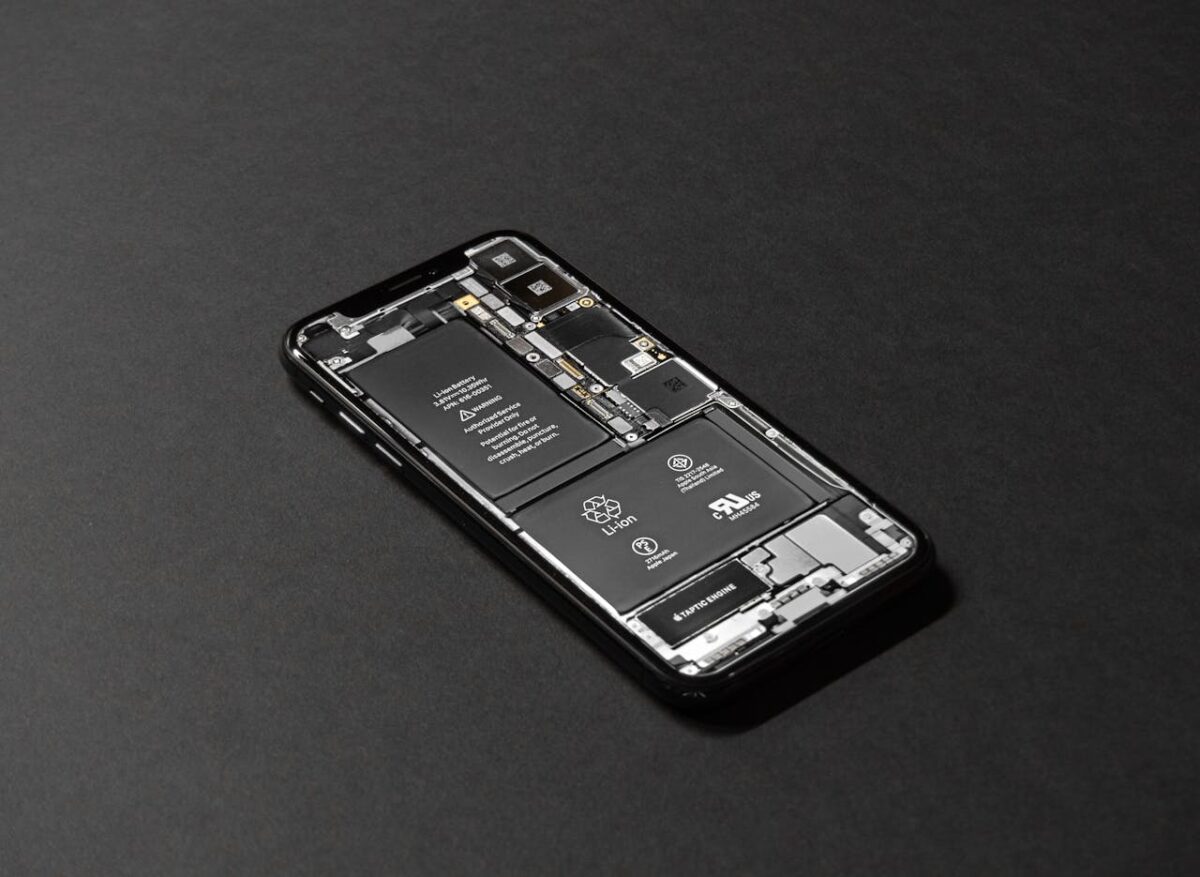
The story of the lithium battery is not the result of a single “eureka” moment. Instead, it’s a progression of breakthroughs by several scientists over decades.
The First Steps: M. Stanley Whittingham
In the early 1970s, while working at Exxon, Whittingham developed what many consider the first functional lithium-based rechargeable battery. His design paired a titanium disulfide (TiS₂) cathode with a metallic lithium (later lithium-aluminum alloy) anode.
That battery used the principle of intercalation, lithium ions would move in and out of crystal lattices in the cathode during charge and discharge, making the cell rechargeable.
However, while promising, Whittingham’s battery had serious drawbacks. The metallic lithium anode was unstable and prone to forming dendrites (tiny, branch-like metallic structures) which could short-circuit the cell, making long-term use unsafe. Because of those safety concerns and technical difficulties, this early design was never commercialised on a large scale.
The Breakthrough Cathode: John B. Goodenough
In 1980, Goodenough and his research team (then at University of Oxford) made a pivotal advance: they replaced titanium disulfide with a lithium cobalt oxide (LiCoO₂) cathode. This metal-oxide material allowed a higher voltage, roughly double that of Whittingham’s design, making the battery far more energy-dense and practical.
This improvement was critical: higher voltage and greater energy density made lithium batteries suitable for portable electronics and eventually many other applications.
Yet at this point, the anode was still metallic lithium, meaning safety issues were likely to remain.
Commercialisation: Akira Yoshino and the First Practical Battery
The final piece came when Yoshino, building on Goodenough’s cathode, substituted the unstable lithium-metal anode with a safer carbon-based material (petroleum coke/graphite) capable of intercalating lithium ions. This major shift significantly improved safety and enabled creation of the first commercially viable lithium-ion battery in the mid-1980s.
In 1991, this technology, combining Goodenough’s cathode and Yoshino’s safer anode, was brought to market, laying the foundation for the lithium-ion batteries that power modern electronics, electric vehicles, and energy storage systems worldwide.
Recognition — A Shared Legacy
Because the development was stepwise and collaborative, credit for inventing the lithium-ion battery is shared among Whittingham, Goodenough, and Yoshino. In 2019, the Royal Swedish Academy of Sciences awarded them the Nobel Prize in Chemistry for their combined contributions.
Lithium Batteries Today
Today, lithium-ion batteries are at the heart of modern energy storage. They power everything from mobile phones and laptops to electric vehicles, industrial equipment, and large-scale grid storage systems. Their high energy density, long cycle life, and ability to deliver reliable performance have made them the dominant technology in a world increasingly shaped by electrification.
Continued innovation is also improving their safety, efficiency, and sustainability. New chemistries such as lithium iron phosphate (LFP) and high-nickel NMC variants are tailored for different applications, balancing factors like cost, weight, thermal stability, and energy output. At the same time, the industry is investing heavily in recycling and circular-economy solutions to recover valuable materials and reduce reliance on mining.
Looking ahead, lithium batteries will remain central to the global energy transition As research advances and recycling processes mature, lithium-ion batteries are set to become even more sustainable, helping drive a lower-carbon future for businesses and consumers alike.