Where Can I Recycle Batteries Near Me?

If you are asking where to recycle batteries near you, the fastest solution is to use a certified recycling centre that accepts household batteries and car batteries for safe processing and material recovery.

Recycling Centre Access for Safe Battery Disposal

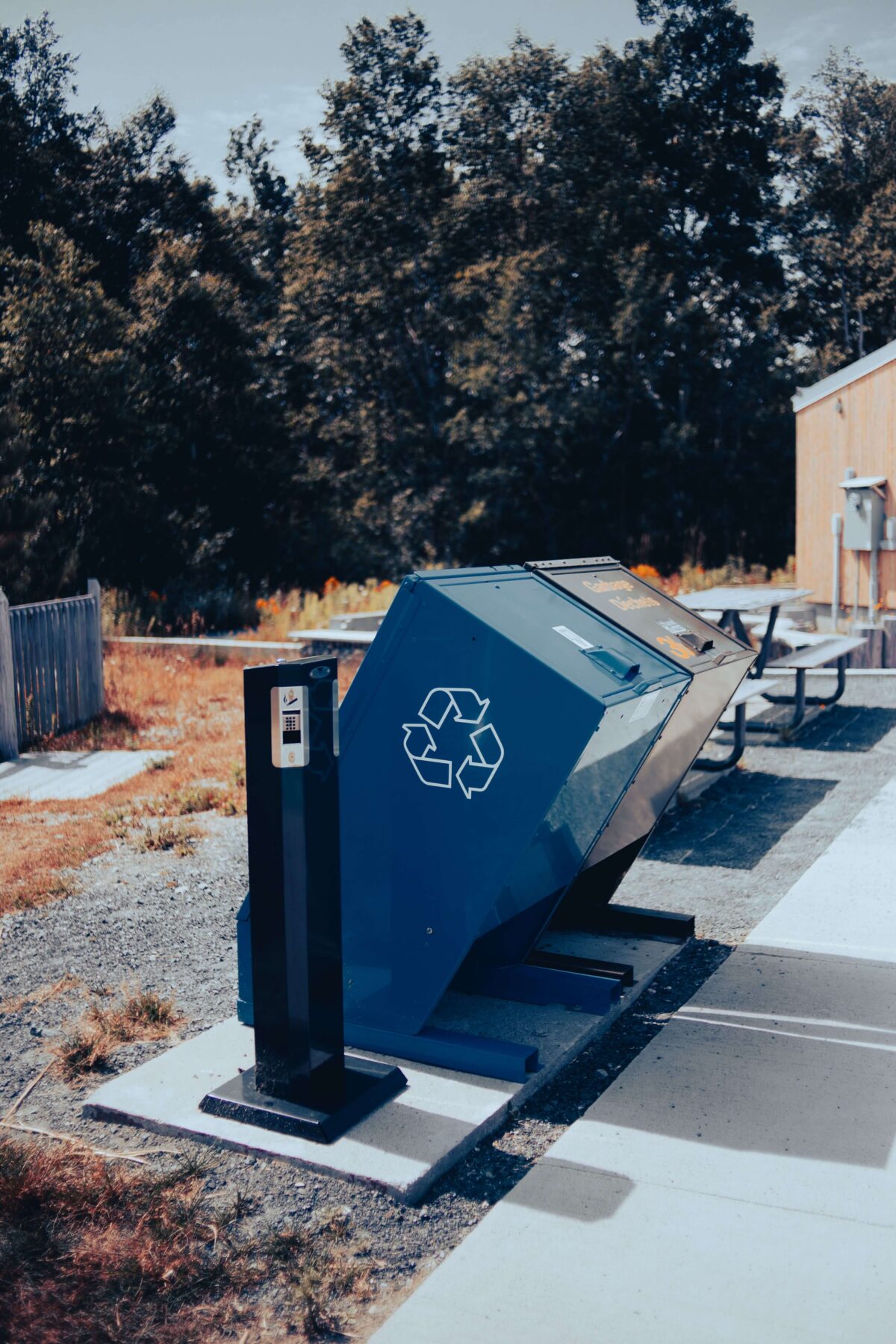
When searching for battery recycling services near me, a local recycling centre remains the most reliable option. These facilities are designed to handle both household batteries from everyday electronics and larger car batteries containing hazardous materials. Each unit is processed under controlled conditions to prevent leakage, fire risk, and environmental damage. If you’re wondering “where can I recycle batteries”, these centres provide clear guidance on accepted types and drop-off procedures.

You can also access dedicated guidance through structured battery recycling support, such as battery recycling services, which explain how different battery types are collected, sorted, and processed safely across the UK.

Why Proper Battery Recycling Matters

  • Batteries contain valuable metals like lithium, lead, and nickel, which can be recovered and reused when handled correctly.

  • Without proper disposal, household batteries and car batteries may release harmful substances into soil and water systems.

  • Recycling reduces landfill waste, conserves natural resources, and supports a cleaner energy cycle.

How to Prepare Batteries Before Recycling

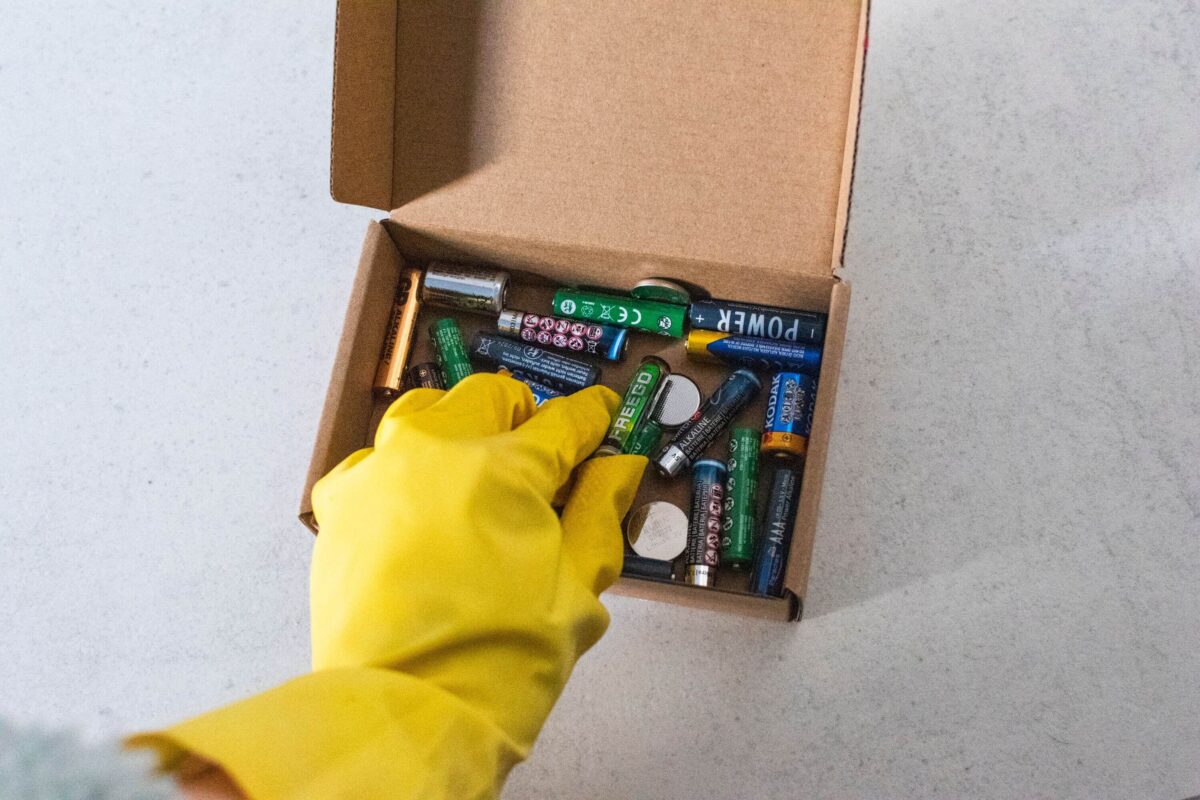
  1. Before visiting a recycling centre, ensure batteries are stored in a non-metal container and terminals are protected to prevent short-circuiting.

  2. Damaged or leaking batteries should always be separated from regular waste.

  3. Safe preparation ensures smoother handling once they reach processing facilities.

Finding the Right Recycling Option Near You

A trusted starting point for locating approved drop-off points is the battery recycling centre locator, which helps identify nearby facilities that accept both household batteries and car batteries. These centres follow regulated procedures to ensure safe dismantling and material recovery.

Where Can I Recycle Batteries Near Me?

You can recycle batteries through a licensed recycling centre near you that safely manages household batteries and car batteries through regulated recycling systems designed to protect the environment and recover valuable materials. 

How To Dispose Of Damaged Lithium Batteries

How to Dispose of Damaged Lithium Batteries Safely and Legally in the UK

Knowing how to dispose of damaged lithium batteries correctly is essential for preventing fires, protecting the environment, and complying with UK waste regulations. Whether a battery is swollen, punctured, leaking, or overheating, it should never be placed in bins at home. Instead, damaged lithium-ion batteries must be handled carefully and taken to an authorised recycling point for safe treatment and recovery.

How Do You Dispose of Damaged Lithium Batteries?

To dispose of damaged lithium batteries safely:

  1. Stop using the battery immediately.
  2. Place it in a non-combustible container.
  3. Cover the terminals with non-conductive tape.
  4. Store it away from flammable materials.
  5. Take it to an approved recycling point or recycling centre.
  6. Never place damaged batteries in household waste bins.
  7. Do not attempt to charge, repair, or dismantle the battery.

Following these steps reduces fire risks and ensures responsible battery recycling.

Damaged lithium-ion batteries require specialist disposal because they can ignite if mishandled. Store the battery safely, avoid exposure to heat, and use a certified recycling centre for proper battery recycling.

What Is a Damaged Lithium Battery?

A damaged battery is any lithium battery that shows signs of physical, thermal, or chemical deterioration. Damage can occur due to accidental drops, manufacturing defects, overcharging, water exposure, or prolonged wear.

Common warning signs include:

  • Swelling or bulging
  • Cracked or punctured casing
  • Leaking electrolyte
  • Corrosion around terminals
  • Excessive heat
  • Burning odours
  • Discolouration

If a battery exhibit any of these symptoms, it should be considered potentially hazardous.

Why Damaged Lithium-Ion Batteries Are a Fire Risk

Lithium-ion batteries store large amounts of energy in a compact space. When the internal structure becomes compromised, a chain reaction known as thermal runaway can occur. This process generates intense heat that may cause smoke, fire, or explosion.

Even small batteries from phones, tablets, laptops, power tools, and e-bikes can ignite if crushed, punctured, or incorrectly disposed of. This is why battery fires have become a growing concern within waste management facilities across the UK.

How to Dispose of Damaged Lithium Batteries Safely

The safest approach begins with isolating the damaged battery from combustible items. Place it in a metal container, fire-resistant storage box, or suitable vessel containing sand or vermiculite.

Cover exposed terminals using electrical tape to prevent short circuits during handling and transportation. Store the battery in a cool, dry location away from flammable materials and direct sunlight until it can be transported.

Never attempt to open, repair, crush, or recharge a damaged battery. Any intervention may increase the risk of ignition.

Once secured, transport the battery to a licensed recycling point or recycling centre that accepts damaged lithium batteries. Facilities specialising in battery recycling can safely process hazardous batteries while recovering valuable raw materials.

Why Battery Recycling Is Important

Battery recycling plays a vital role in reducing waste and conserving natural resources. Modern lithium batteries contain materials including lithium, cobalt, nickel, copper, manganese, and aluminium. These materials can often be recovered and reused in manufacturing.

Proper recycling provides several environmental benefits:

  • Reduces landfill waste
  • Prevents soil contamination
  • Minimises water pollution
  • Conserves finite resources
  • Supports a circular economy
  • Lowers demand for mining operations

Using professional battery recycling services helps ensure batteries are handled in accordance with environmental best practices.

Can You Put Lithium Batteries in Household Bins?

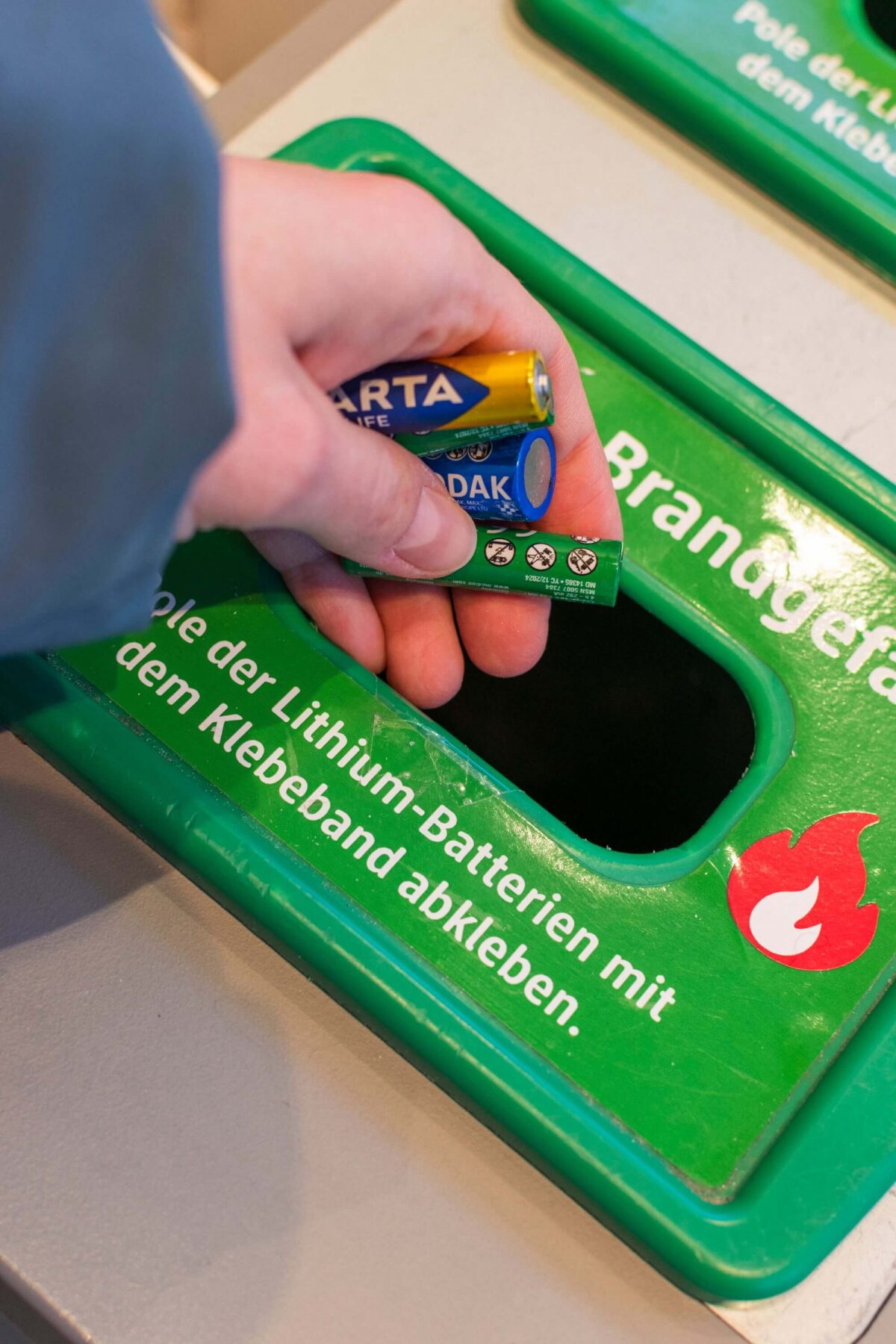
Lithium batteries should never be disposed of in household rubbish bins or mixed recycling collections.

When waste is compacted during collection or processing, batteries can become crushed or punctured. This damage can trigger fires in refuse vehicles, transfer stations, and recycling facilities.

Using dedicated battery collection schemes significantly reduces these risks.

UK Regulations for Lithium Battery Disposal

The UK classifies many damaged lithium batteries as hazardous waste. Businesses have a legal duty of care to manage battery waste responsibly throughout storage, transport, and disposal.

Compliance with environmental legislation helps protect employees, waste handlers, and the public while reducing environmental impact. Organisations generating battery waste should maintain appropriate documentation and work with authorised waste management providers.

What Happens to Recycled Lithium Batteries?

After collection, batteries undergo sorting, discharge, dismantling, and material recovery processes. Advanced recycling technologies separate valuable metals and minerals for reuse in new batteries, electronics, and industrial products.

This recovery process reduces reliance on virgin materials and supports sustainable manufacturing across multiple sectors.

Common Mistakes to Avoid

Many battery-related incidents occur because people unknowingly dispose of batteries incorrectly. Avoid storing damaged batteries near combustible materials, exposing them to moisture, placing them in bins at home, or transporting them without terminal protection.

Taking a few preventative measures can significantly reduce safety risks.

Understanding how to dispose of damaged lithium batteries is essential for protecting people, property, and the environment. Damaged lithium-ion batteries should be isolated immediately, secured away from flammable materials, and delivered to a recognised recycling point or recycling centre. Responsible battery recycling reduces fire hazards, recovers valuable resources, and supports a safer, more sustainable future.

Lithium Battery Safety

What Is Lithium Battery Safety?

Lithium battery safety refers to the correct storage, charging, transportation, and disposal of lithium-ion batteries to reduce the risk of fire, overheating, and battery failure. Because lithium batteries store a significant amount of energy in a compact cell, proper handling is essential for protecting people, property, and electronic devices.

As lithium-ion batteries continue to power smartphones, laptops, power tools, electric vehicles, renewable energy systems, bikes and e-scooters, understanding battery safety has become increasingly important for households and businesses alike.

Lithium Battery Safety

Lithium batteries are safe when used correctly. Most incidents occur because of physical damage, poor charging habits, defective chargers, manufacturing faults, or exposure to excessive temperatures. Following manufacturer guidelines significantly reduces the risk of fire and helps maximise battery lifespan.

Why Lithium-Ion Batteries Require Special Care

Unlike traditional battery technologies, lithium-ion batteries contain a high amount of energy within a relatively small space. This energy density allows devices to operate longer while remaining lightweight and portable.

However, if a battery becomes damaged, punctured, crushed, or exposed to extreme heat, internal chemical reactions may occur. In rare circumstances, these reactions can trigger thermal runaway, causing temperatures to rise rapidly and potentially resulting in lithium-ion battery fires.

For this reason, battery safety should always be considered throughout the battery lifecycle, from purchase and daily use through to recycling and disposal.

How to Store Lithium Batteries Safely

Correct storage plays a critical role in lithium battery safety.

Batteries should be kept in a dry, cool environment away from direct sunlight, radiators, heaters, and other heat-producing equipment. Excessive temperatures accelerate degradation and increase the risk of fire.

For long-term storage, batteries should ideally remain partially charged between 40% and 60%. Fully discharged batteries may become unstable over time, while continuously storing batteries at 100% charge can shorten operational lifespan.

Where possible, batteries should be stored in protective containers that prevent contact with conductive materials such as keys, coins and metal tools. This helps eliminate the possibility of accidental short circuits.

Businesses managing large battery inventories should implement dedicated fire-resistant storage systems and regular inspection procedures.

Safe Charging Practices for Lithium-Ion Batteries

Proper charging habits are essential for maintaining battery performance and reducing safety risks.

Always use manufacturer-approved chargers and charging accessories. Using counterfeit or incompatible equipment can expose batteries to incorrect voltage levels and excessive heat generation.

Lithium-ion batteries should be charged on hard, non-flammable surfaces with adequate airflow. Charging devices under pillows, blankets or soft furnishings can trap heat and increase the likelihood of battery failure.

It is also advisable to disconnect charging equipment once the battery reaches full capacity, particularly for older devices that lack advanced battery management systems.

Any battery showing signs of swelling, leakage, cracking or physical damage should be removed from service immediately.

Common Causes of Lithium-Ion Battery Fires

Several factors contribute to lithium-ion battery fires.

The most common causes include physical damage, manufacturing defects, overcharging, poor-quality replacement batteries, exposure to water, and extreme temperatures. Improper modifications to battery-powered devices can also increase safety risks.

Many incidents involving bikes and e-scooters have been linked to damaged batteries or non-approved charging equipment. Regular inspection and proper maintenance can significantly reduce these risks.

Warning Signs of a Failing Battery

Recognising battery problems early can help prevent costly damage and safety incidents.

Potential warning signs include excessive heat during charging, swollen battery casings, unusual smells, leaking fluids, visible cracks, reduced performance, and unexpected device shutdowns.

If any of these symptoms occur, discontinue use immediately and arrange safe assessment or disposal.

Fire Safety Measures for Lithium Batteries

Effective fire safety practices are essential wherever lithium batteries are used, charged or stored.

Batteries should never be exposed to open flames or high-temperature environments. Damaged batteries must be isolated from combustible materials and stored safely until disposal.

Workplaces using significant numbers of batteries should maintain fire detection systems, staff training programmes, and emergency response procedures. These measures help minimise the consequences of a battery fire should an incident occur.

Regular risk assessments also support compliance with health and safety obligations while improving overall workplace safety.

Safe Transportation of Lithium Batteries

Transporting lithium batteries requires additional precautions because damaged batteries may present a risk of fire during transit.

Battery terminals should be protected from accidental contact, and batteries should be packaged securely to prevent movement or impact damage. Businesses shipping batteries must comply with applicable transportation regulations and packaging requirements.

Appropriate handling procedures help ensure batteries reach their destination safely while protecting employees, carriers, and customers.

The Importance of Lithium Battery Recycling

Responsible disposal forms an essential part of lithium battery safety.

Lithium batteries should never be placed in general waste bins because damaged cells can ignite within refuse vehicles, waste transfer stations, and recycling facilities.

Using professional lithium battery recycling services ensures batteries are processed safely while valuable materials such as lithium, cobalt and nickel are recovered for reuse. Proper recycling also reduces environmental impact and supports the circular economy.

For businesses and organisations generating larger battery volumes, specialist battery recycling services provide compliant collection, transportation and recycling solutions.

Lithium battery safety involves far more than careful charging. Safe storage, responsible transportation, regular inspections, and compliant recycling all contribute to reducing the risk of fire and improving battery longevity. Because lithium-ion batteries contain a substantial amount of energy, following best practices helps protect users, equipment, and the environment. Whether managing household devices, electric vehicles, renewable energy systems, bikes and e-scooters, or commercial battery stocks, adopting a proactive approach to battery safety delivers long-term benefits.
Why Does My Phone Battery Drain So Quickly?

Why Does A Phone Battery Drain So Quickly

A phone battery drains quickly when apps are running in the background, high screen brightness, location services, poor network coverage, outdated software, and battery ageing increase battery usage. Reducing unnecessary activity, updating the operating system, enabling dark mode, and managing mobile data can help conserve battery life and improve device battery performance.

How Background Activity Increases Battery Drain

Many smartphone users are unaware of how much battery power is consumed by apps running when they are not actively being used. Social media platforms, email applications, cloud storage services, and messaging tools often continue running in the background to sync data and deliver notifications.

This continuous activity increases phone battery drain because the device’s processor, internet connection, and memory remain active. Reviewing individual apps in your battery usage settings can help identify which applications consume the most energy.

For better performance, disable unnecessary background app refresh settings and remove applications you no longer use.

Why Mobile Data Consumes More Battery Than Wi-Fi

Mobile data often requires more battery power than a stable Wi-Fi connection. When signal strength fluctuates, your phone works harder to maintain connectivity with nearby mobile towers.

This issue becomes more noticeable when travelling, commuting, or spending time in areas with poor reception. Frequent searching for a stronger signal increases battery usage throughout the day.

Connecting to Wi-Fi whenever possible can reduce battery consumption and improve overall device efficiency.

How Screen Brightness Affects Battery Performance

Screen brightness remains one of the largest contributors to battery drain. Modern smartphone displays are larger and more powerful than ever, making them one of the most energy-intensive components.

Keeping brightness levels unnecessarily high forces the phone battery to work harder. Lowering brightness settings or enabling adaptive brightness can significantly reduce battery consumption without affecting usability.

Users with OLED displays can benefit further by enabling dark mode, which requires less power to display darker colours.

The Impact of Software Updates on Battery Life

A software update can sometimes temporarily increase battery usage as the operating system indexes files, optimises applications, and completes background processes.

However, regular updates are essential because manufacturers frequently release improvements that enhance battery efficiency, security, and overall performance.

If battery drain begins immediately after an update, allow several days for optimisation to complete before investigating further issues.

How Location Services Reduce Battery Life

Location services rely on GPS satellites, mobile networks, and Wi-Fi connections to determine your position. Constant location tracking can significantly increase battery drain, especially for navigation, fitness, and travel applications.

Reviewing permission settings allows you to restrict location access only when an app is actively in use. This simple adjustment can help conserve battery life without affecting essential functionality.

When Airplane Mode Can Help Save Battery

Airplane mode is not only useful during flights. It can also help reduce battery consumption when network coverage is weak.

In low-signal environments, smartphones repeatedly search for stronger connections, which increases battery usage. Activating airplane mode temporarily stops these searches and can preserve valuable battery power until connectivity improves.

How Battery Health Changes Over Time

Every rechargeable lithium-ion phone battery experiences gradual wear through normal charging and discharging cycles. Over time, the battery’s maximum capacity decreases, reducing the amount of energy it can store.

As battery health declines, users may notice shorter usage times, slower performance, and more frequent charging requirements. Understanding battery health can help determine whether replacement is necessary.

If an old battery no longer performs effectively, responsible battery recycling ensures valuable materials are recovered and reused rather than sent to landfill.

Best Practices for Saving Battery Every Day

Improving battery performance does not require major changes. Small adjustments can significantly reduce battery drain and extend daily usage.

Managing screen brightness, limiting background activity, reviewing battery usage reports, disabling unnecessary notifications, and keeping the operating system updated are among the most effective strategies.

Users who follow these habits consistently often experience improved battery life and better long-term battery health.

What To Do If Your Battery Still Drains Quickly

If you’ve already adjusted settings and continue experiencing excessive battery drain, the issue may be linked to battery degradation, faulty charging accessories, software conflicts, or hardware faults.

Monitoring battery health, testing charging equipment, and reviewing individual apps can help identify the source of the problem. If replacement becomes necessary, professional battery disposal services help ensure batteries are handled safely and sustainably.

Understanding why a phone battery drains quickly is the first step towards improving performance and extending lifespan. Factors such as apps running in the background, screen brightness, location services, mobile data usage, software updates, and battery ageing all contribute to battery drain.

By monitoring battery usage, reducing unnecessary activity, enabling dark mode, managing background app refresh settings, and maintaining good charging habits, users can significantly reduce battery drain and maximise device performance for longer.