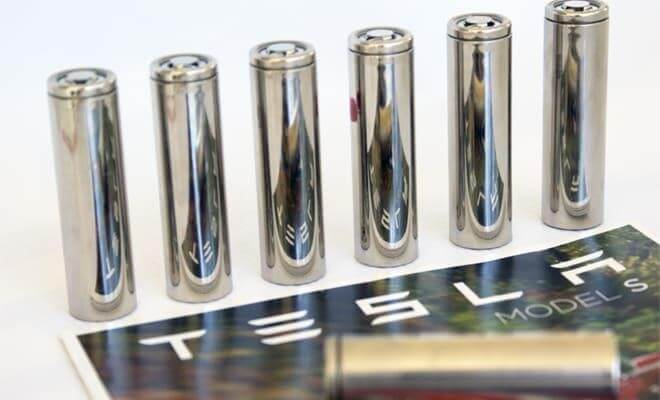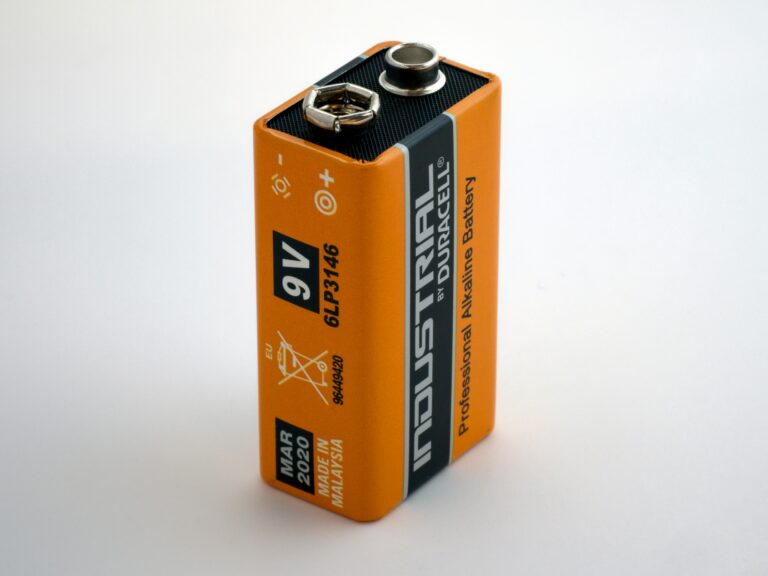
Batteries play a central role in modern energy storage systems, powering everything from a small electronic device to large electric vehicles. Advances in lithium-ion batteries have transformed how energy is stored and used, offering higher energy density and improved efficiency. As global battery demand continues to grow, understanding how these systems function helps improve performance, reduce waste, and support sustainable energy use. These battery facts and statistics provide helpful context for how storage technologies influence daily life and industry.
Battery facts explain how batteries store and deliver energy using battery chemistry. Modern lithium-ion batteries offer high energy density, improved battery capacity, and power devices such as electric vehicles, power tools, and everyday electronic devices. They are essential for energy storage systems and support growing global battery demand.
Batteries underpin modern energy storage, with lithium-ion leading due to high energy density, efficiency, and low weight. Surging demand from electric vehicles and renewable energy has driven massive global production and broader use across consumer and industrial sectors. Performance and lifespan depend on temperature, charging behavior, and usage intensity, making careful management important. Recycling and new chemistries aim to cut environmental impact and enhance safety and capacity, while future innovations will shape scalable, sustainable storage.
What Are Batteries and How Do They Work in Battery Technology?
Batteries generate electricity through chemical reactions known as battery chemistry. This process powers devices ranging from a simple power tool to advanced energy storage systems used in homes and industries. Common types include lithium ion batteries, nickel metal hydride, nickel cadmium, and lead acid batteries.
Modern lithium-ion systems are widely used because they provide higher battery capacity and lighter weight compared to older technologies. Their ability to store more energy in a compact form makes them ideal for electric vehicles and portable electronic device applications. This combination of efficiency and energy density has made them the preferred choice in modern battery technology.
Battery Facts and Global Statistics
Battery demand is increasing rapidly due to the growth of electric vehicles and renewable energy. In the United Kingdom and other major economies, millions of batteries manufactured each year support both consumer electronics and industrial systems. Global production now reaches billions of units annually, reflecting the increasing reliance on portable and stored energy.
Advances in battery technology have significantly improved battery capacity and charging efficiency. Lithium-ion batteries now play a major role in supporting energy storage systems, helping to stabilise electricity supply and meet growing demand.

How Batteries Store and Deliver Energy
Batteries produce electricity through chemical reactions known as battery chemistry. This process allows energy to be stored and released when needed, making it possible to power devices such as a power tool, mobile phone, or large-scale energy storage systems. Common battery types include lithium ion batteries, nickel metal hydride, nickel cadmium, and lead acid batteries.
Among these, lithium-ion technology stands out due to its higher battery capacity and lightweight structure. It is widely used in electric vehicles and portable electronic device applications because it delivers consistent performance and strong energy density.
Global Trends in Battery Use
The rapid growth of electric vehicles and renewable energy has significantly increased battery demand. In the United Kingdom and other developed regions, millions of batteries manufactured each year support both consumer electronics and industrial systems. Worldwide production has reached billions of units annually, reflecting a growing reliance on stored energy.
Modern battery technology has improved efficiency, allowing longer usage times and faster charging. Lithium-ion batteries now support advanced energy storage systems that help stabilise electricity supply.
Performance, Lifespan, and Capacity
Battery performance is influenced by several factors, including temperature, usage, and charging behaviour. High temperatures can reduce battery capacity, while repeated deep discharges can shorten the lifespan of rechargeable batteries. Devices such as a power tool or electric vehicles often place higher stress on batteries because they require more energy.
Lithium-ion batteries perform best when maintained within moderate charge levels. Their high energy density allows longer use between charges, but careful handling is still important.
Environmental Impact and Recycling
The increasing use of batteries has raised concerns about environmental impact. Many batteries contain valuable materials that can be recovered and reused. Without proper disposal, these materials may harm ecosystems and contribute to pollution.
Battery recycling helps reduce waste and supports sustainable production by reusing components from batteries manufactured today. As demand continues to grow, recycling processes are becoming more advanced and widely adopted.
Why Lithium-Ion Technology Leads the Market
Lithium-ion batteries dominate modern battery technology because they provide higher energy density, longer lifespan, and improved efficiency compared to nickel metal hydride, nickel cadmium, and lead acid batteries. Their strong battery capacity makes them suitable for electric vehicles and large energy storage systems. In the broader technology battery market, this leadership reflects the need for reliable, efficient, and scalable power solutions across industries.
As battery demand increases globally, lithium-ion technology continues to replace older rechargeable batteries across multiple industries. This shift reflects the need for more reliable and efficient energy solutions in both consumer and industrial applications.
Future Developments in Battery Technology
Battery technology continues to evolve as industries seek better performance and sustainability. New approaches to battery chemistry are being developed to increase battery capacity, improve safety, and reduce environmental impact.
While lithium-ion batteries remain dominant, alternative solutions are being explored to support future energy storage systems. These innovations will shape how energy is stored and used in everything from electronic device applications to national infrastructure.
Batteries store energy and release it as electricity when needed. Modern lithium-ion batteries provide high energy density, making them essential for powering electric vehicles, power tools, and everyday electronic devices.