Batteries can be recycled more than once, making them an essential part of a sustainable and circular economy. Through modern battery recycling, valuable materials such as lithium, cobalt, nickel, lead, copper, and steel are recovered and reused to manufacture new batteries and other products. Whether they come from mobile phones, power tools, car batteries, or larger battery packs, recycling batteries helps conserve natural resources, reduce landfill waste, and lower carbon emissions. Understanding how different battery types are recycled allows households and businesses to make informed disposal choices while supporting environmental protection across the UK. People often ask, can batteries be recycled, and the answer is yes—often more than once.
Metals such as lithium, cobalt, nickel, lead, steel, copper, and aluminium can be recovered and refined for use in new batteries and other products. The number of recycling cycles depends on the type of battery, material quality, and the recycling technology used.
Many battery types can be recycled multiple times because their valuable metals can be recovered, refined, and reused, reducing waste while supporting a circular economy.
Can Batteries Be Recycled More Than Once?
Yes. Most batteries contain raw materials that remain useful long after the battery reaches the end of its working life. Modern recycling facilities use advanced processes to separate these materials so they can be returned to manufacturing.
The success of repeated recycling depends on the type of battery. Some materials, such as lead, can be recycled repeatedly without losing quality, while others require small amounts of new raw material after several recycling cycles. Improvements in recycling technology continue to increase recovery rates and make battery recycling more efficient every year.
For consumers and businesses alike, recycling batteries correctly helps reduce environmental damage while ensuring valuable resources remain available for future products.
Which Battery Types Can Be Recycled More Than Once?
Lithium-Ion Batteries
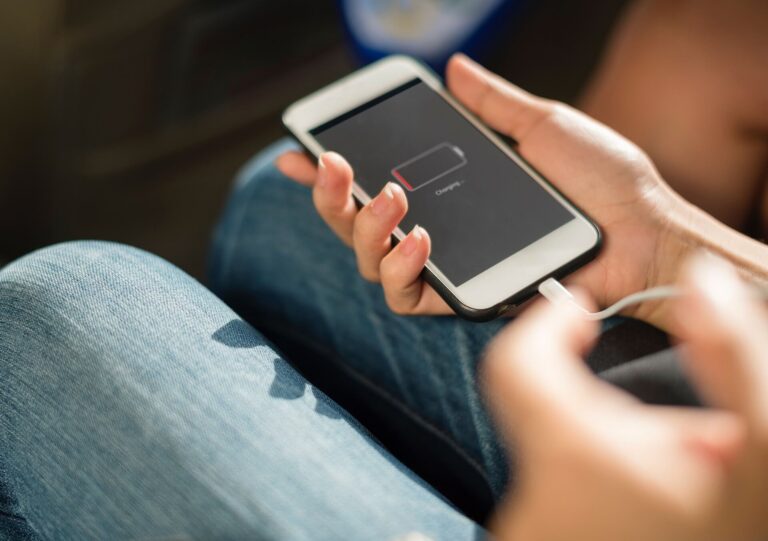
Lithium-ion batteries are commonly found in mobile phones, laptops, tablets, electric vehicles, cordless power tools, e-bikes, medical equipment, and energy storage systems.
These batteries contain valuable metals, including lithium, cobalt, nickel, copper, aluminium, and graphite. During recycling, these materials are recovered, refined, and used to manufacture new batteries and other industrial products.
As demand for electric vehicles and renewable energy grows, recycling lithium-ion batteries is becoming increasingly important to secure future supplies of critical minerals while reducing dependence on mining.
Lead-Acid Car Batteries
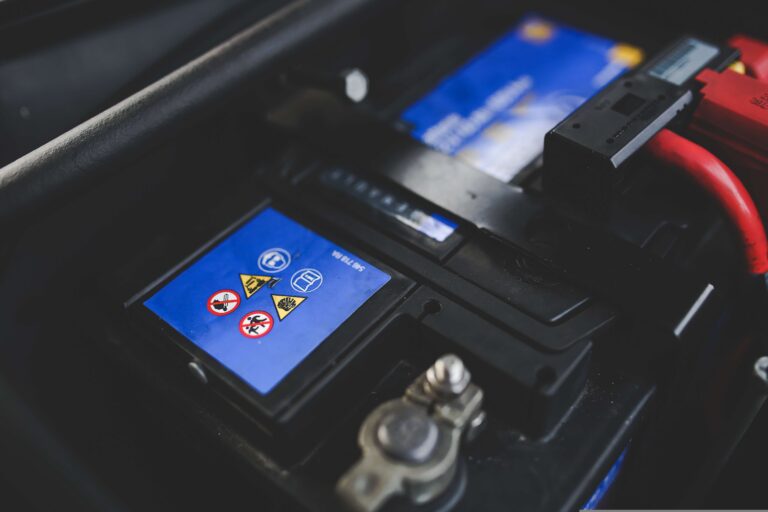
Car batteries are one of the world’s most successfully recycled products.
Almost every component can be recovered, including lead, plastic casings, and electrolyte. The recovered lead can be recycled repeatedly without affecting its quality, making lead-acid batteries an excellent example of a circular economy in action.
This high recovery rate helps reduce mining, saves energy, and prevents hazardous waste from entering landfills.
Rechargeable Batteries
Many rechargeable batteries, including nickel-metal hydride (NiMH) and nickel-cadmium (NiCd) batteries, can also be recycled several times.
Recovered nickel and other metals are refined before being reused in manufacturing new batteries, stainless steel products, and industrial equipment.
As rechargeable batteries become more common in household electronics, recycling plays an increasingly important role in conserving valuable resources.
Household Batteries
Many people assume household batteries cannot be recycled, but this is incorrect.
Alkaline batteries contain zinc, manganese, and steel that can all be recovered through specialist recycling processes. Although they contain fewer high-value metals than lithium-ion batteries, recycling still prevents waste and supports resource conservation.
Households should never dispose of batteries in general rubbish when recycling options are available.
How Does Battery Recycling Work?
Battery recycling begins when used batteries are taken to authorised collection points, local recycling centres, retailer drop-off locations, or another approved recycling point.
After collection, batteries are sorted by chemistry before entering specialist processing facilities.
The recycling process generally includes inspection, safe discharge where necessary, dismantling or shredding, material separation, purification, and refining. Advanced technologies recover valuable metals, plastics, and other components for reuse in manufacturing.
Large battery packs, including those used in electric vehicles and renewable energy storage, follow similar recycling processes but require specialist handling due to their size and stored energy.
Why Recycling Batteries More Than Once Matters
Battery recycling offers significant environmental, economic, and social benefits.
Recovering valuable materials reduces the need to mine finite natural resources, protecting ecosystems and reducing habitat destruction. Producing metals from recycled sources also consumes less energy than extracting and processing virgin materials, helping lower greenhouse gas emissions.
Recycling supports a circular economy by keeping materials in use for as long as possible instead of discarding them after a single use. This approach reduces landfill waste while improving long-term resource security for future battery production.
Furthermore, growing demand for lithium-ion batteries in electric vehicles and renewable energy systems makes efficient recycling increasingly important for meeting future supply needs. If you’re looking for battery recycling services in the UK, check local council guidance, retailer drop-off points, or accredited providers to find safe, convenient options for recycling batteries.