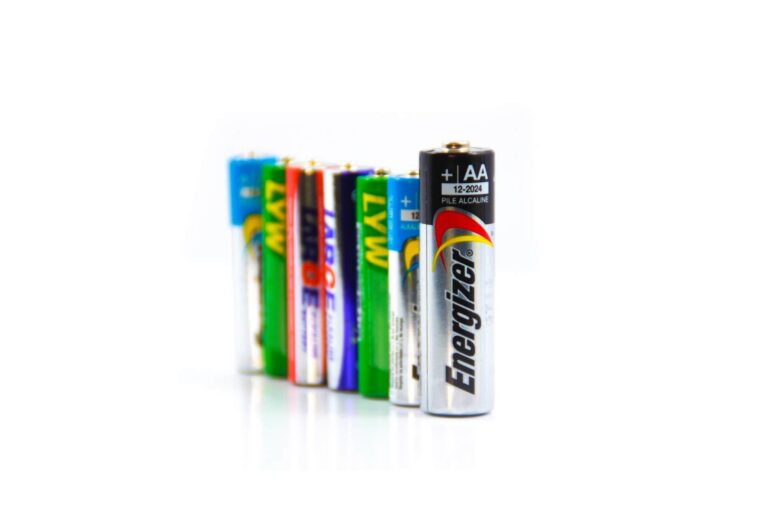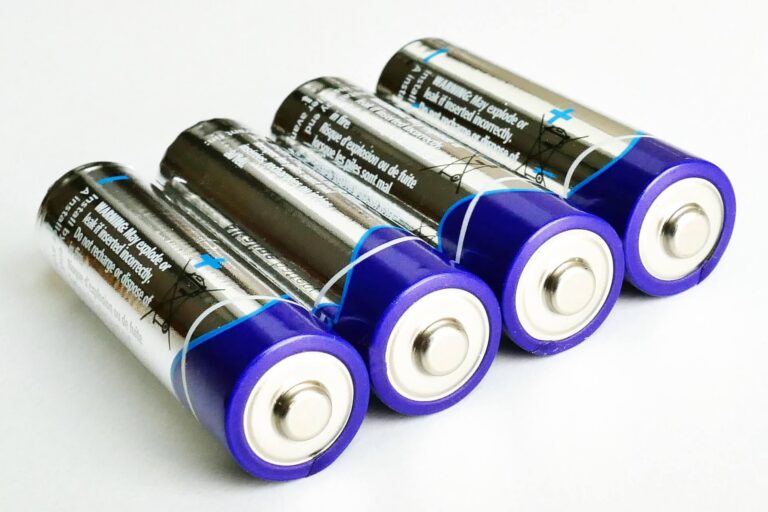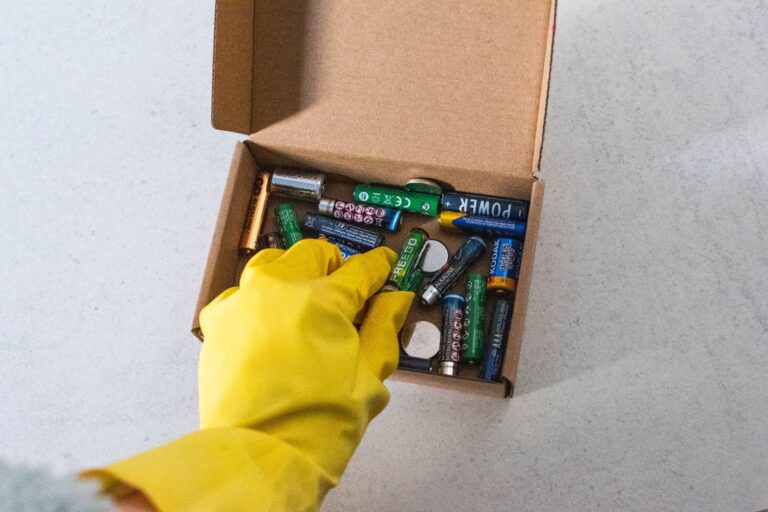
Recycling rechargeable batteries at approved recycling facilities, collection points, and electrical recycling points ensures valuable materials are recovered safely.
Can Rechargeable Batteries Be Recycled?
Yes, rechargeable batteries can be recycled through specialist recycling facilities that safely process battery materials and recover valuable resources. Recycling batteries helps reduce landfill waste, prevents harmful disposal methods, and supports the reuse of important materials.
Rechargeable batteries are found in many modern products, including mobile phones, laptops, tablets, cameras, electric vehicles, medical equipment, and power tools. Unlike disposable batteries, rechargeable versions are designed for repeated use but eventually lose their ability to hold a charge.
When they reach the end of their lifespan, they should not be placed in general household waste. Many rechargeable batteries contain metals and chemicals that require controlled handling to prevent environmental damage and safety risks.
How Are Rechargeable Batteries Recycled?
When recycling rechargeable batteries, the process begins when they are taken to a collection point or specialist recycling facility. Once collected, batteries are sorted based on their chemistry, size, and condition.
A lithium-ion battery requires different treatment compared with other rechargeable battery types because it stores large amounts of energy and may present fire risks if damaged. Recycling facilities use specialist equipment to safely discharge, dismantle, and process these batteries.
During recycling, battery packs are separated to recover useful materials, including lithium, cobalt, nickel, copper, and aluminium. These recovered materials can be reused in manufacturing new batteries, electronics, and industrial products.
This process reduces dependence on raw material extraction and helps create a more sustainable supply chain for future battery production.
What Types of Rechargeable Batteries Can Be Recycled?
Most rechargeable batteries can be recycled when they are handled through approved recycling channels. Common recyclable types include lithium-ion batteries used in smartphones, laptops, and electric vehicles.
Nickel-metal hydride batteries, commonly found in older electronics and hybrid vehicles, can also be processed to recover reusable materials. Nickel-cadmium batteries require specialist recycling because they contain controlled hazardous substances.
Household batteries from everyday electronic devices should always be separated from general rubbish and taken to suitable recycling locations.
Where Can You Recycle Rechargeable Batteries?
Consumers and businesses can recycle rechargeable batteries through approved recycling routes, including a household waste recycling centre, electrical recycling point, retailer collection service, or professional recycling provider.
A local collection point allows people to safely dispose of unwanted batteries without placing them into household waste recycling bins that are not designed for battery materials. When recycling rechargeable batteries, always follow local guidance on drop-off points and safe handling.
Businesses that regularly replace battery packs from equipment, tools, or technology devices should use specialist recycling services that provide safe collection and responsible processing.
Why Is Recycling Rechargeable Batteries Important?
Recycling rechargeable batteries protects the environment by preventing hazardous materials from entering landfill sites. Incorrect disposal can increase the risk of fires, pollution, and wasted resources.
Recovering materials from old batteries also reduces the environmental impact of mining new resources. Metals such as lithium and cobalt are valuable materials that can be reused instead of discarded.
For households, recycling batteries correctly creates safer waste management habits. For businesses, responsible battery disposal supports environmental compliance and improves sustainability performance.
How Should You Store Batteries Before Recycling?
Before recycling rechargeable batteries, store them in a cool, dry area away from direct sunlight and heat sources.
Avoid keeping loose batteries near metal objects such as keys or tools because contact between battery terminals can cause short circuits. Damaged or swollen lithium-ion battery products should be handled carefully and taken to appropriate recycling specialists.
Keeping batteries separated from other waste streams makes the recycling process safer and more effective.
Benefits of Recycling Rechargeable Batteries
Recycling rechargeable batteries provides several long-term benefits, including:
Reduced battery waste entering landfill.
Recovery of valuable materials for new manufacturing.
Lower demand for mining new resources.
Improved safety through correct battery handling.
Support for a circular economy approach.
Rechargeable batteries can be recycled safely when they are taken to approved recycling facilities, collection points, or electrical recycling points. Responsible battery recycling practices help recover valuable materials, reduce waste, and support a more sustainable future.
By choosing the correct disposal route for household batteries and commercial battery packs, individuals and businesses can reduce environmental impact while helping create a stronger circular economy.