The difference between a battery and a cell is simple, often framed as battery vs. cell. A cell is a single electrochemical unit that converts chemical energy into electric energy through chemical reactions. A battery consists of one or more connected cells that work together to supply larger amounts of electrical energy to devices, vehicles, and energy storage systems. These points clarify the difference between a battery and a cell.
What Is the Difference Between a Battery and a Cell?
Understanding the difference between a battery and a cell is important because both play a major role in modern technology. Smartphones, remote controls, electric vehicles, laptops, and renewable energy systems all rely on cells and batteries to function properly.
Although people often use both words interchangeably, they are not technically the same. A cell is the basic unit that produces electricity, while a battery is formed by combining multiple cells to increase voltage, capacity, and performance.
Both systems convert chemical energy into electric energy, making portable power possible in homes, businesses, transport systems, and industrial equipment.
What Is a Cell?
A cell is the smallest electrochemical device capable of generating electricity. Inside the cell, controlled chemical reactions occur between electrodes and an electrolyte solution. These reactions create electron movement, producing electrical energy that powers electronic devices.
Some products operate using a single-cell power source, including clocks, remote controls, calculators, and small flashlights. Even though these are commonly called batteries, they are technically individual cells if only one electrochemical unit exists.
Cells are classified depending on the types of energy storage they provide.
Primary cells are non-rechargeable and designed for single-use applications. Common examples include alkaline and zinc-carbon cells used in household electronics.
Secondary cells are rechargeable batteries that can be used repeatedly after charging. These batteries are widely used in smartphones, laptops, electric vehicles, cordless tools, and solar energy systems because they offer long-term efficiency and reduced waste.
What Is a Battery?
A battery is a combination of multiple connected cells that operate together as one power source. Batteries are designed to deliver larger amounts of electrical energy compared to a single cell.
Cells inside a battery may be connected in series to increase voltage or in parallel to increase capacity and operating time.
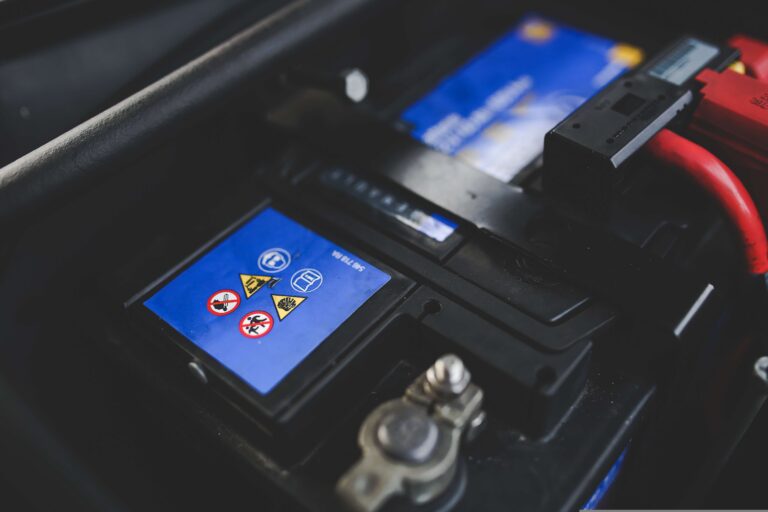
For example, car batteries contain several cells connected together to produce sufficient voltage for starting engines and powering vehicle electronics. Electric vehicle battery packs may contain thousands of connected lithium-ion cells working together to provide high-capacity energy storage.
Laptop batteries, solar storage units, and backup power systems also rely on multi-cell battery structures for reliable energy delivery.
Difference Between a Battery and a Cell
The main difference between a battery and a cell is structure and output capacity.
A cell is a single unit that converts chemical energy into electric energy. A battery is a group of connected cells designed to provide greater electrical energy and longer-lasting performance.
Cells are commonly used in low-power electronic devices, while batteries are used in applications requiring larger energy storage and higher voltage output.
Understanding this difference helps consumers choose suitable power solutions for electronics, renewable energy systems, and industrial applications.
How Chemical Reactions Generate Electrical Energy
Cells and batteries work through electrochemical processes. During operation, chemical reactions occur between the anode, cathode, and electrolyte inside each cell.
These reactions release electrons, generating electrical energy that flows through external circuits to power devices.
Different battery technologies use different chemical materials depending on the types of performance required. Some technologies prioritise fast charging, while others focus on long lifespan, higher energy density, or improved safety.
Lithium-ion technology remains one of the most efficient rechargeable battery solutions because it combines lightweight construction with strong energy performance.
Common Types of Batteries
Dry cells are lightweight batteries commonly used in household electronics. They are portable, inexpensive, and easy to replace.
Lead-acid batteries are widely used in vehicles, emergency power systems, and industrial equipment due to their reliable power delivery and affordability.
Lithium-ion batteries dominate modern electronics because they support fast charging, compact design, and efficient energy storage.
Renewable energy systems also use advanced battery technologies to store electricity generated from solar panels and wind turbines. Proper battery recycling helps reduce environmental waste and recover valuable materials used in modern energy storage systems.
Importance of Rechargeable Batteries
Rechargeable batteries have transformed the way energy is stored and used. Instead of discarding batteries after one use, consumers can recharge them hundreds or even thousands of times.
This improves energy efficiency, lowers replacement costs, and reduces environmental pollution caused by battery waste.
Rechargeable battery systems are now essential for electric vehicles, renewable energy storage, portable electronics, and backup power infrastructure.
As battery technology continues advancing, manufacturers are developing systems with faster charging speeds, higher storage capacity, and improved safety standards.
Battery Safety and Maintenance
Safe battery handling improves performance and extends operating life. Batteries should always be stored in cool, dry environments away from excessive heat or moisture.
Damaged batteries should never be punctured, exposed to fire, or charged using incompatible chargers. Incorrect handling may result in overheating, leakage, or reduced efficiency.
Proper recycling also protects the environment by recovering valuable materials such as lithium, nickel, cobalt, and lead for reuse in future battery production.
Future of Battery Technology
Battery innovation continues to evolve rapidly as industries move toward cleaner and more sustainable energy systems.
Emerging technologies include:
Solid-state batteries
Sodium-ion batteries
Graphene batteries
Advanced lithium-silicon systems
These technologies aim to improve charging speed, energy density, operating lifespan, and overall safety while supporting renewable energy expansion and electric transport development.
Understanding the difference between a battery and a cell helps explain how electrical energy powers modern devices and energy systems. A cell is a single electrochemical unit that converts chemical energy into electric energy through chemical reactions. A battery combines multiple cells to deliver greater electrical energy, higher voltage, and longer-lasting performance.
From household electronics to electric vehicles and renewable energy storage systems, batteries and cells remain essential technologies that support modern life and future energy innovation.
A cell is a single electrochemical unit that produces electrical energy. A battery is made from multiple connected cells designed to deliver greater power and longer operating time.