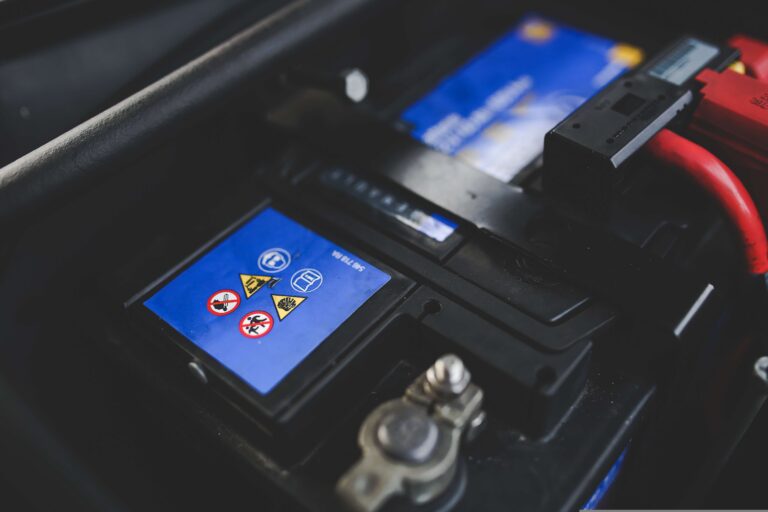
Electric vehicle batteries rely on lithium, nickel, cobalt, manganese, graphite, copper, aluminium, and electrolytes to store and deliver energy efficiently. Advanced battery chemistries such as lithium iron phosphate and Nickel Manganese Cobalt (NMC) improve performance and durability. As battery recycling infrastructure expands and solid-state batteries move closer to commercial adoption, the future of EV batteries will become increasingly sustainable, efficient, and cost-effective. This overview explains the key materials used in EV batteries and how they influence design choices.
What Materials Are Used in EV Batteries?
Electric vehicle batteries are primarily made from lithium, nickel, cobalt, manganese, graphite, copper, aluminium, steel, and specialised electrolytes. These raw materials work together to provide high energy storage capacity, long battery life, fast charging performance, and improved energy density. Modern EV batteries also use advanced chemistries such as Lithium Iron Phosphate (LFP) and Nickel Manganese Cobalt (NMC) to balance safety, efficiency, and cost-effectiveness.
How an Electric Vehicle Battery Stores Energy
An electric vehicle battery stores electricity through a chemical process that moves lithium ions between the cathode and anode. During charging, lithium ions travel and are stored within the battery structure. When the vehicle is driven, these ions move back through the electrolyte, generating electricity that powers the motor.
This process allows modern lithium-ion batteries to achieve excellent efficiency while maintaining a relatively lightweight design. The result is a battery system capable of delivering reliable performance for thousands of charging cycles.
Understanding Battery Cell Components
Every battery pack contains hundreds or even thousands of individual battery cells. Each cell consists of four key components:
Cathode
The cathode is the positive electrode and commonly contains lithium combined with nickel, manganese, cobalt, or iron phosphate. It largely determines battery performance and energy density.
Anode
The anode is usually made from graphite. It stores lithium ions during charging and releases them when power is needed.
Electrolyte
The electrolyte enables lithium ions to move between electrodes. This movement creates the electrical current required to power the vehicle.
Separator
The separator prevents the positive and negative electrodes from touching while still allowing ions to pass through safely.
Which EV Battery Chemistry Is Most Common?
Several battery chemistries are used across the electric vehicle industry.
Nickel Manganese Cobalt (NMC)
Nickel Manganese Cobalt NMC batteries are among the most widely used battery types worldwide. They provide an excellent balance between driving range, performance, lifespan, and safety.
Lithium Iron Phosphate (LFP)
Lithium iron phosphate batteries offer exceptional thermal stability and durability. They are increasingly used because of their strong safety profile and lower dependence on expensive raw materials such as cobalt.
Nickel Cobalt Aluminium (NCA)
NCA batteries provide very high energy density and are often used in premium electric vehicles that require longer driving ranges.
Why Energy Density Matters
Energy density refers to the amount of energy a battery can store relative to its size and weight. Higher energy density allows electric vehicles to travel further without increasing battery size.
Manufacturers continually develop new battery technology to improve energy density while maintaining safety and durability. This remains one of the most important areas of research within the EV sector.
Where Do EV Battery Raw Materials Come From?
The raw materials used in electric car batteries are sourced from different regions around the world.
Lithium is commonly extracted from hard-rock mining and underground brine deposits. Nickel is mined in countries such as Indonesia, Canada, and Australia. Cobalt production is concentrated in several African nations, while graphite is sourced from both natural mining operations and synthetic production facilities.
As demand for EV batteries continues to rise, manufacturers are investing heavily in ethical sourcing programmes and more resilient supply chain strategies.
The Importance of EV Battery Recycling
Battery recycling is becoming increasingly important as more electric vehicles reach the end of their service life. Recycling helps recover valuable materials that can be reused in future battery manufacturing.
Modern battery recycling processes can recover significant quantities of lithium, cobalt, nickel, copper, aluminium, and steel. This reduces the need for newly mined resources and supports a more sustainable battery industry.
Many organisations are also investing in specialised EV battery recycling solutions to improve material recovery rates and strengthen circular economy initiatives.
How Long Do EV Batteries Last?
Most modern electric vehicle batteries are designed to last between 10 and 20 years, depending on usage patterns, charging habits, climate conditions, and battery chemistry.
Manufacturers often provide battery warranties of eight years or more, reflecting confidence in the durability of current battery technology. Advances in thermal management and battery management systems continue to extend battery lifespan.
Future Trends in Battery Technology
The next generation of battery technology is expected to deliver significant improvements in performance, sustainability, and affordability.
Solid-state batteries are attracting considerable attention because they could provide faster charging, higher energy density, improved safety, and longer operational life. Researchers are also exploring silicon anodes, sodium-ion batteries, and alternative cathode materials to reduce reliance on scarce resources.
These innovations will help improve cost-effectiveness while supporting the continued growth of the global electric vehicle market.