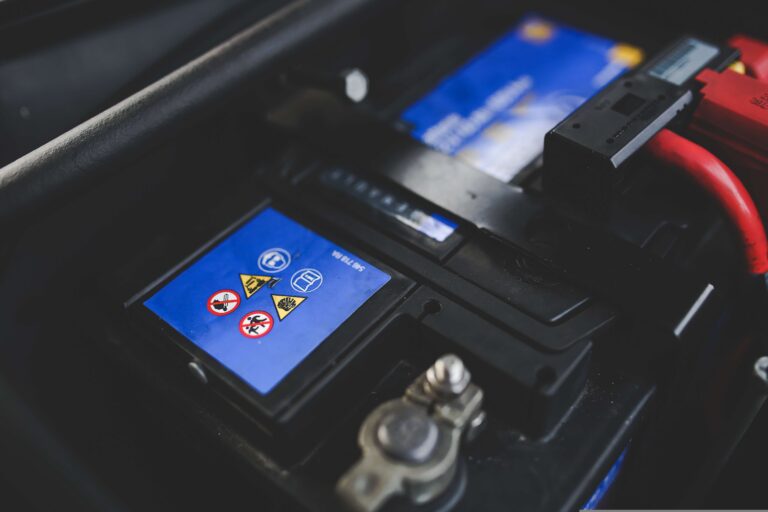
A car battery provides the electrical power needed for starting the engine, operating electrical systems, and supporting modern vehicle technology. Most passenger vehicles use a 12-volt battery, although the actual voltage of a car battery changes depending on the state of charge and whether the engine is running.
Knowing the correct car battery voltage helps drivers identify charging problems early, improve battery lifespan, and avoid sudden breakdowns. A healthy battery also supports reliable ignition, stable lighting, and efficient vehicle performance throughout daily driving conditions.
What voltage is a car battery?
A fully charged car battery normally reads between 12.6V and 12.8V with the engine switched off. When the engine is running, voltage usually increases to 13.7V-14.7V because the charging system and alternator recharge the battery while powering electrical systems.
Normal Car Battery Voltage Explained
Most vehicles rely on a lead-acid battery that stores and delivers electricity to essential vehicle components. Voltage readings help measure battery condition and charging efficiency.
Battery Condition
Normal Voltage Reading
Fully charged
12.6V — 12.8V
Healthy battery
12.4V — 12.6V
Partially discharged
12.2V — 12.4V
Low charge
12.0V — 12.2V
Weak or failing battery
Below 12.0V
If the voltage falls below normal levels regularly, the battery may struggle to hold a proper state of charge.
Proper battery recycling is also important because vehicle batteries contain hazardous materials that require safe disposal and environmental protection procedures.
Why Most Vehicles Use a 12-Volt Battery
Modern petrol and diesel vehicles commonly use a 12-volt battery because it provides reliable electrical output for everyday driving needs. A standard lead-acid battery contains six separate cells, with each cell producing approximately 2.1 volts.
Combined together, these cells create roughly 12.6 volts when fully charged. This design supports starting the engine, dashboard electronics, climate controls, infotainment systems, and vehicle safety features.
The 12V system remains widely used because it balances efficiency, affordability, and dependable performance across many vehicle types.
What Voltage Should a Car Battery Be When the Engine Is Running?
Battery voltage changes once the engine is running because the alternator becomes active within the charging system.
Under normal operating conditions, voltage should rise between 13.7 volts and 14.7 volts. This increase confirms that the alternator is generating electricity and helping recharge the battery after ignition.
If readings remain below 13 volts while driving, the charging system may not function correctly. Excessively high voltage may indicate overcharging, which can shorten battery life and increase overheating risks during periods of high temperature.
Vehicles using rechargeable battery technology should also follow approved NiCd battery recycling processes to reduce environmental harm caused by discarded battery waste.
Common Causes of Car Battery Voltage Drop
A voltage drop occurs when the battery cannot maintain sufficient electrical output. Several mechanical and environmental factors can reduce battery efficiency over time.
Battery ageing remains one of the most common causes. Most car batteries gradually lose capacity after three to five years of regular use.
Corrosion around battery terminals may also interrupt electrical flow and reduce charging performance. Loose cable connections can create inconsistent voltage delivery and starting difficulties.
Extreme weather significantly affects battery condition. Cold temperatures slow internal chemical activity, while high temperature exposure accelerates fluid evaporation and internal wear.
Electrical drains from lights, alarms, or faulty electronics may continue consuming power after the vehicle is switched off, weakening the battery overnight.
Safe car battery disposal also helps prevent toxic battery chemicals from contaminating landfills and the surrounding environments.
Signs Your Car Battery Voltage Is Too Low
Low battery voltage usually causes noticeable warning signs before complete failure occurs.
Drivers often experience a slow engine, flickering dashboard lights, dim headlights, or clicking sounds during ignition attempts. Weak voltage may also affect power windows, infotainment systems, and other electrical systems.
Repeated jump starts typically indicate the battery cannot maintain a stable state of charge. In many cases, this means replacement may soon become necessary.
Early diagnosis helps reduce the risk of unexpected roadside breakdowns.
How to Test Car Battery Voltage
Testing battery voltage is a straightforward process using a digital multimeter to verify the voltage of a car battery.
Switch off the engine and allow the battery to rest briefly before testing. Connect the red probe to the positive terminal and the black probe to the negative terminal.
A fully charged battery should normally display at least 12.6 volts. Lower readings may indicate insufficient charge, charging system faults, or battery deterioration.
Routine voltage testing allows drivers to identify problems before battery performance declines further.
How the Charging System Works
The charging system keeps the battery supplied with electricity while driving. The alternator generates electrical power that supports vehicle electronics and helps recharge the battery after starting the engine.
If the alternator fails, the battery may slowly discharge even during regular driving. This can eventually prevent the vehicle from starting altogether.
Routine servicing can help identify charging system faults early and protect sensitive vehicle electronics from damage caused by unstable voltage levels.
How to Maintain a Healthy Car Battery
Regular maintenance improves battery reliability and extends operating lifespan.
Driving longer distances allows the alternator enough time to recharge the battery properly. Keeping battery terminals clean also improves electrical connection and charging efficiency.
Drivers should avoid leaving lights, chargers, or electrical accessories switched on when the engine is off. Reducing unnecessary electrical drain helps maintain a healthy state of charge.
Routine inspections can also detect corrosion, loose terminals, or early signs of battery damage before performance issues become severe.
When Should You Replace a Car Battery?
Most car batteries require replacement once they can no longer hold a stable charge consistently.
Common warning signs include repeated voltage drop issues, swollen battery cases, slow ignition performance, and difficulty starting the engine during cold weather.
A weak battery places additional strain on the charging system and may affect overall vehicle reliability. Replacing an ageing battery early can help prevent unexpected failures and costly electrical repairs.
Can High Temperature Damage a Car Battery?
High temperature conditions can shorten battery lifespan significantly. Excessive heat accelerates internal chemical reactions and increases fluid evaporation inside the battery.
Over time, heat exposure weakens internal components and reduces the battery’s ability to store energy efficiently.
Parking in shaded areas and maintaining proper charging system performance can help reduce heat-related battery wear.
Understanding what voltage a car battery is helps drivers monitor battery condition, charging performance, and overall vehicle reliability. A healthy 12-volt battery should read between 12.6V and 12.8V when fully charged, while readings rise once the engine is running due to alternator activity.
Regular voltage checks, proper maintenance, and quick attention to charging problems can extend battery lifespan and improve vehicle performance in all driving conditions.