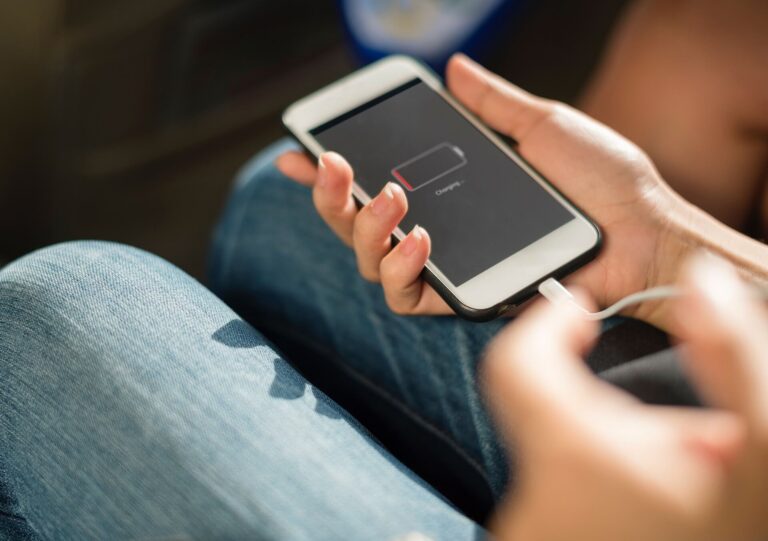
Batteries are used in almost every household, powering everything from remote controls to mobile devices.
Batteries may seem harmless, but disposing of them in your regular household waste can be extremely dangerous. Many people are unaware of the risks associated with throwing batteries in the bin, yet improper disposal can lead to fires, environmental damage, and serious health hazards. In this article, we’ll explain why batteries should never go in household waste and how you can dispose of them safely.
Disposing of batteries in household waste can cause short circuits and fires, especially with lithium-ion cells, and release toxic metals that pollute soil and water. Safe disposal includes using dedicated recycling bins, separating battery types, and taping terminals, with larger or specialist batteries taken to household waste recycling centres. Avoid binning batteries with general rubbish or leaving them hidden in devices. Proper recycling protects people and the environment while conserving valuable materials.
Batteries are used in almost every household, powering everything from remote controls to mobile devices. However, putting batteries in household waste is a serious mistake that many people still make. Improper disposal can lead to battery fires, environmental pollution, and safety risks for waste workers and communities.
Understanding the dangers of binning batteries and learning how to dispose of them properly is essential for protecting both people and the environment.
Why Batteries Are Dangerous in Household Waste
Batteries, especially lithium ion batteries, contain highly reactive materials. When these batteries are thrown into general rubbish, they can become damaged or crushed during collection and processing.
This damage can cause short circuits, leading to dangerous battery fires. These fires can start suddenly and spread quickly, making them difficult to control. In many cases, fires at waste facilities are caused by hidden batteries inside everyday items such as toys, vapes, and small electronics.
Even used batteries often retain some charge, which means they can still spark or overheat under the wrong conditions.
Environmental Impact of Improper Battery Disposal
Throwing batteries into household waste doesn’t just pose a fire risk; it also harms the environment. Batteries contain toxic metals such as lead, cadmium, and nickel. When sent to a landfill, these substances can leak into the soil and water supply.
This contamination can damage ecosystems, harm wildlife, and potentially affect human health. That is why environmental services strongly advise against putting batteries in standard bins.
Instead, taking batteries to a household waste recycling centre ensures they are handled safely and that valuable materials are recovered and reused.
How to Safely Dispose of Batteries
Disposing of batteries safely is simple and convenient if you follow the correct steps:
1. Use Dedicated Recycling Bins
Many supermarkets and electronics retailers provide recycling bins specifically for batteries. These are designed to prevent damage and reduce fire risks.
2. Separate Battery Types
Different batteries require different recycling processes. Keep lithium ion batteries separate from standard household batteries where possible.
3. Cover Battery Terminals
Placing tape over the terminals of used batteries helps prevent accidental contact, reducing the risk of sparks or overheating.
4. Visit a Household Waste Recycling Centre
For larger quantities or specialist batteries, your local household waste recycling centre is the safest option. These centres are equipped to handle battery and electrical waste responsibly.

Common Mistakes to Avoid When Binning Batteries
To reduce risks, avoid these common errors when disposing of batteries:
· Binning batteries with general household waste
· Leaving hidden batteries inside electronic devices
· Mixing damaged or leaking batteries with other rubbish
· Storing old batteries loosely where they can touch and spark
Avoiding these mistakes can significantly reduce the chance of battery fires and environmental harm.
Why Proper Battery Recycling Matters
Recycling batteries is not only about safety, it also helps conserve valuable resources. Many materials used in batteries can be recovered and reused in new products.
By using proper battery and electrical recycling methods, you help reduce the demand for raw materials and support a more sustainable environment.
Additionally, responsible disposal supports the work of environmental services, ensuring waste is managed safely and efficiently.
Batteries should never be placed in household waste due to the serious risks they pose. From battery fires to environmental pollution, the consequences of improper disposal can be severe.
By using recycling bins or visiting your local household waste recycling centre, you can dispose of batteries safely and responsibly.
Making this small change in your daily routine can have a big impact, helping to protect your home, your community, and the environment.