Sulfuric Acid (H₂SO₄) Explained
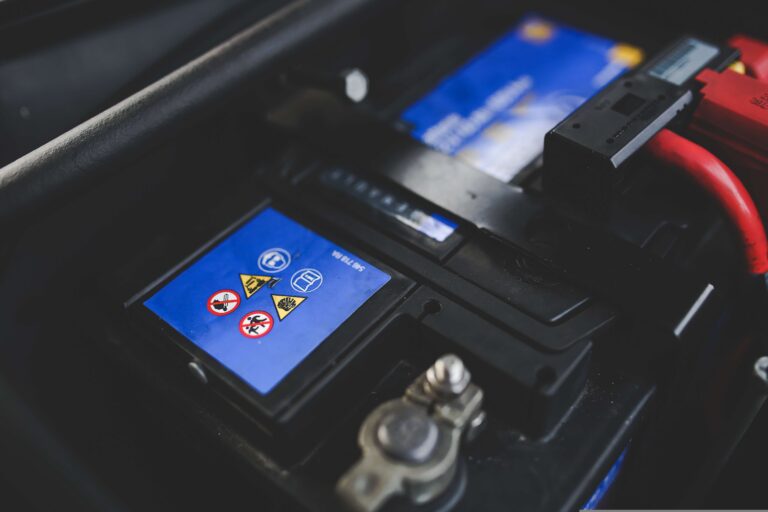
The acid in lead-acid batteries is sulfuric acid (H₂SO₄), also known as battery acid. It is mixed with water to form a sulfuric acid solution that acts as the electrolyte inside a lead-acid battery. This solution enables continuous charge and discharge reactions between lead plates, making energy storage and release possible in automotive and backup power systems.
A lead-acid battery stores energy using sulfuric acid (H₂SO₄) as an electrolyte. During discharge, lead dioxide and lead plates react to form lead sulfate and release energy. During charging, the reaction reverses, restoring the battery to a fully charged condition.
How Sulfuric Acid Works Inside a Lead Acid Battery
In simple terms, sulfuric acid works inside a lead acid battery by enabling ions to move between the plates and sustain the electrochemical reactions that power devices.
Inside a lead-acid battery, two electrodes are immersed in sulfuric acid: the positive electrode made of lead dioxide and the negative electrode made of porous lead plates. The electrolyte’s acid concentration determines how efficiently ions move between plates.
During discharge, sulfuric acid reacts with both electrodes, causing a chemical transformation where active materials gradually convert into lead sulfates. This reaction produces electrical energy used to power devices. As discharge continues, the sulfuric acid solution weakens because it is consumed in the reaction process.
This fundamental process is explained in electrochemical research such as Lead–acid battery chemistry overview.
Charge and Discharge Process Explained in Detail
The charge and discharge cycle is what makes lead-acid batteries rechargeable.
During discharge, lead dioxide reacts with sulfuric acid and lead plates, forming lead sulfate and producing electrical energy. When charging begins, external electrical current forces the reaction to reverse. The lead sulfate breaks down, restoring charged lead on both electrodes and regenerating sulfuric acid in the electrolyte.
A fully restored battery reaches a fully charged state when both plates return to their original chemical composition, and the acid concentration stabilises.
This reversible electrochemical cycle is the core principle behind all lead-acid battery charging systems.
Electrochemical Reactions and Gas Formation
During normal operation, the electrolyte remains stable, but during overcharging, water in the sulfuric acid solution can decompose. This process releases hydrogen gas at the negative plate and oxygen gas at the positive plate. Gas formation increases internal pressure and can reduce battery efficiency if not properly controlled.
The acid concentration also changes depending on the state of charge. A higher concentration indicates a charged battery, while a lower concentration indicates discharge. This relationship is commonly used in battery testing through specific gravity measurement.
In extreme conditions, internal heating may approach electrolyte stress levels where thermal effects become important, although modern batteries are designed to prevent conditions near dangerous boiling points.
More detailed industrial explanations of electrolyte chemistry can be found in the battery acid chemical properties guide.
Why Sulfuric Acid Is Used in Lead Acid Batteries
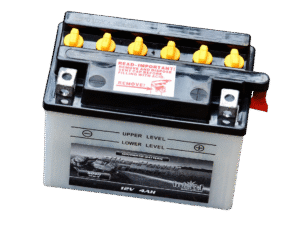
Sulfuric acid H₂SO₄ is used because it provides a highly efficient ionic environment for reversible electrochemical reactions. It supports fast ion transfer between lead dioxide and lead plates, ensuring consistent energy flow during both discharge and battery charging.
It also has strong chemical stability, making it suitable for repeated cycling without rapid degradation. This is why lead-acid systems remain widely used in automotive and industrial applications.
Technical system-level explanations of lead-acid performance are also described in Industrial Lead-Acid Battery System Analysis.
Battery Performance Factors You Should Know
Lead-acid battery performance depends heavily on electrolyte condition and plate health. Over time, repeated cycling causes the gradual accumulation of lead sulfate crystals, which can reduce efficiency and slow charge acceptance.
This condition is known as sulphation, where hardened deposits form on lead plates and reduce the ability of the battery to return to a fully charged state. Proper charging practices help reduce this effect.
Temperature also plays a key role. Higher temperatures increase reaction speed but may shorten lifespan, while lower temperatures reduce available capacity.
A well-maintained system ensures stable charge and discharge performance over long periods of use.
Storage and Shelf Life
A common question is, “how long do new batteries last if not used?” For lead-acid batteries stored at moderate temperatures, the typical shelf life before requiring a top-up charge is several months, with self‑discharge influenced by temperature and battery design.
Applications of Lead-Acid Batteries
Lead-acid batteries are widely used due to their reliability and ability to deliver high surge currents. They are commonly found in automotive starting systems, uninterruptible power supplies, solar energy storage, and industrial backup systems.
Their simple chemistry and cost efficiency make them suitable for large-scale energy storage where durability is more important than energy density.
Recycling and Environmental Importance
Lead-acid batteries are highly recyclable, making them one of the most environmentally managed battery types. During recycling, lead materials are recovered and reused, while sulfuric acid is safely neutralised or converted into reusable compounds.
Proper recycling prevents environmental contamination and supports sustainable material recovery processes. Industry-scale recycling systems help reduce waste and recover valuable resources efficiently, as outlined in lead-acid battery recycling process overview.
A lead-acid battery works through reversible electrochemical reactions involving sulfuric acid (H₂SO₄) and lead electrodes. During discharge, it produces lead sulfate and electrical energy, and during charging, it restores the original chemical state. This continuous cycle of charge and discharge is what makes lead acid technology reliable for energy storage systems worldwide.