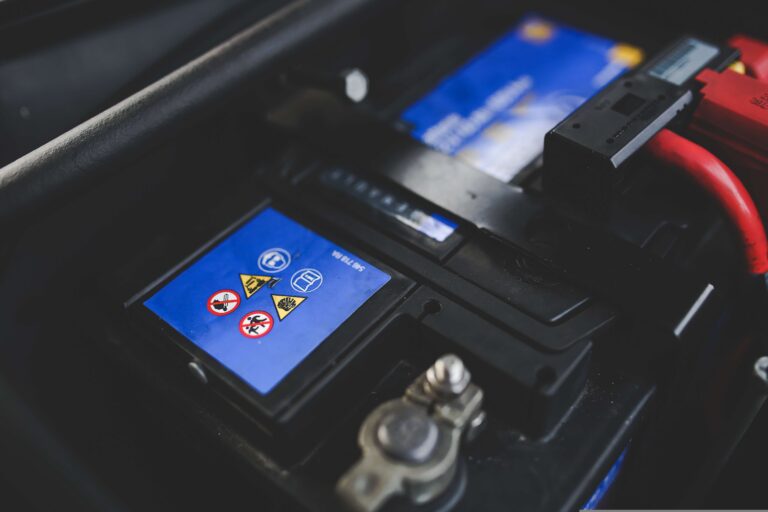
The top global battery manufacturers include CATL, LG Energy Solution, Panasonic, Samsung SDI, BYD, and EVE Energy. In the UK, a growing ecosystem of specialised battery makers supports EV, industrial, and energy storage markets, while recycling partnerships (such as at battery‑recycling.co.uk) strengthen sustainability and supply chains. These leading battery manufacturers increasingly focus on safe collection, reuse, and circular design for home energy storage and grid applications.
Top home energy storage solutions are led by major lithium‑ion manufacturers includes CATL, LG Energy Solution, Panasonic, Samsung SDI, BYD, and EVE Energy, with UK specialists adding pack assembly and recycling capabilities. Choosing reputable brands can improve lifespan, safety, and total cost of ownership for residential systems. The UK market is expanding rapidly through 2034, and recycling/circular design are key to sustainability, material security, and reducing disposal hazards.
Are there specific brands known for longer-lasting lithium batteries?
In the UK and globally, demand for reliable batteries is rising due to electric vehicles, renewable energy systems, and portable electronics. For buyers comparing lithium ion battery manufacturers, choosing the right brand can significantly improve lifespan, safety, and long-term cost savings, while also supporting more efficient lithium battery recycling and sustainable waste management practices.
The leading lithium‑ion battery manufacturers include global giants like CATL, LG Energy Solution, Panasonic, Samsung SDI, BYD, and China‑based EVE Energy, alongside UK‑based specialists in pack assembly and recycling technology. These companies, as leading battery manufacturers, power electric vehicles (EVs), renewable storage systems, and consumer electronics while emerging UK markets support growth in domestic production and battery recycling infrastructure.
UK Lithium‑Ion Battery Market Statistics (2024-2034)
- The UK lithium‑ion battery market was worth approx. USD 1.78 billion in 2024, and is forecast to grow rapidly, potentially exceeding USD 4.6 billion by 2033, with a CAGR around 11-20 % depending on segmentation.
- The wider UK battery market was valued at around USD 6.45 billion in 2024 and expected to grow to USD 15.24 billion by 2032, with lithium‑ion technology leading demand for EVs and storage.
- UK EV‑specific lithium‑ion battery demand is projected to grow, with the UK EV battery market forecast at USD 4.37 billion in 2025, rising to over USD 9.86 billion by 2030 at ~17.7 % CAGR.
These figures highlight rising electrification, government support, and local supply chain investments driving demand.
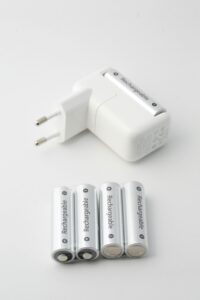
Global Leaders in Lithium‑Ion Battery Manufacturing
- CATL (Contemporary Amperex Technology Co., Limited)
World‑leading producer with the largest share of global EV battery capacity.
- LG Energy Solution
Major supplier across EV manufacturers in Europe and Asia.
- Panasonic Holdings Corp.
High‑performance battery producer with strong industry partnerships.
- Samsung SDI
Advanced battery maker serving automotive, energy storage, and industrial sectors.
- BYD Co., Ltd.
Vertically integrated Chinese company producing both EVs and batteries.
- EVE Energy
Top global player in energy storage lithium‑ion cells for EVs and stationary systems.
🇬🇧 Key UK & European Manufacturers
UK manufacturing is currently smaller but growing:
- Steatite – custom battery technology for industrial applications.
- Hyperdrive Innovation (now Turntide) – EV and energy systems battery packs.
- Accutronics, ABSL, Aceleron, Aceon, AMTE Power – UK designers and makers of specialised packs and cells.
Note: Britishvolt, a former UK gigafactory startup, went into administration, underscoring challenges in domestic cell manufacturing.
Why Recycling Matters
Efficient reuse of lithium‑ion materials reduces reliance on raw mining, mitigates hazardous waste, and lowers production emissions. Battery‑Recycling.co.uk is a leading UK resource on recycling methods, battery management, and safe end‑of‑life practices for lithium batteries.
Integrating recycling into the battery value chain supports sustainability goals and helps secure critical materials for manufacturers.
UK Recycling Data Highlights
- Globally, battery recycling markets are projected to expand significantly over the next decade, supporting sustainable supply chains.
- UK faces growing end‑of‑life battery stockpiles and needs stronger infrastructure for recycling and reuse to avoid costly exports and environmental risk.
- Improper disposal of lithium‑ion batteries poses hazards, including rising waste‑site fires, underlining the importance of proper recycling channels.