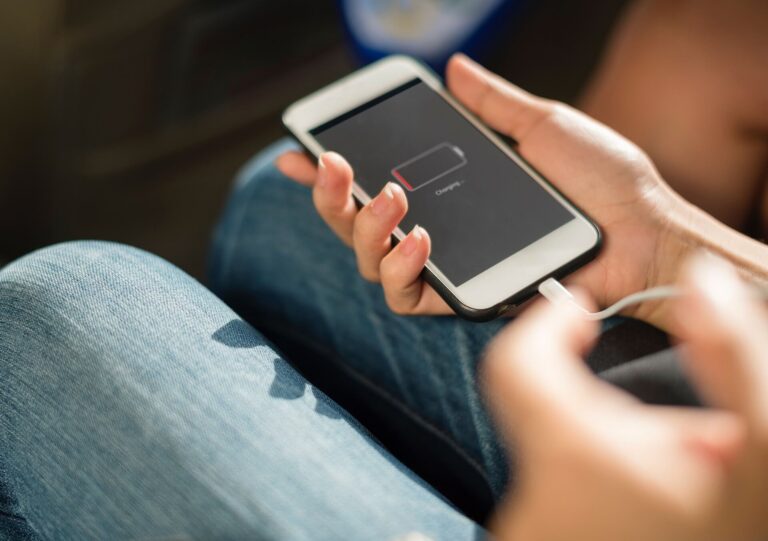
Slow Charger Damage Batteries are safe for lithium-ion batteries and can support better battery health by reducing heat, improving stability, and protecting each charge cycle over the long term. In short, a slow charger does not damage batteries when used with modern devices.
Does Using a Slow Charger Damage Batteries?
The answer is no. Lithium-ion batteries are designed with battery management systems that regulate how energy enters the device, so slow charging does not damage the battery. Claims that slow charger damage batteries are unfounded under normal conditions and usually stem from concerns about heat rather than the charging rate itself. Instead, it often supports better battery health by keeping temperatures lower and improving energy stability during charging.
Modern devices are engineered to handle different charging speed levels without damaging the battery, as internal systems automatically adjust power intake to ensure safety.
Lithium Ion Batteries and Charging Behaviour
Lithium-ion batteries store and release energy through controlled chemical reactions. During charging, energy flows into the battery in stages, and battery management systems continuously monitor voltage and temperature. In practice, lithium-ion batteries and charging behaviour are closely managed by these systems to keep operation within safe limits.
Charging generates heat naturally, but the amount of heat depends on the charging method. When charging speed is high, energy flows faster, which can increase temperature. When charging is slower, energy is delivered more gradually, which helps reduce heat and supports stable performance.
This balance between energy flow and temperature control is key to maintaining long term battery life.

Slow Charging vs Fast Charging Impact on Battery Health
Slow charging and fast charging both work within safe operating limits, but they affect battery conditions differently. Slow charging produces less heat and places less stress on lithium ion batteries, which helps maintain battery health over time. Put simply, slow charger does not damage batteries when temperature is well controlled and the device’s safeguards are working properly.
Fast charging is designed for convenience and higher charging speed, but it can increase heat levels during use. However, smart charging systems ensure that this does not result in damaging the battery under normal conditions.
Community discussions on battery performance often highlight that charging behaviour has more impact on long-term battery condition than speed alone, especially when heat is properly controlled.
Why Reducing Heat Matters for Battery Life
Heat is one of the most important factors affecting battery performance. When charging generates excessive heat, it can gradually reduce battery efficiency and shorten overall battery life.
Slow charging naturally supports reducing heat because it spreads energy transfer over a longer period. This creates a more stable environment for lithium-ion batteries and helps maintain consistent performance across many charge cycles.
Managing temperature is one of the simplest ways to protect long term battery health.
Smart Charging and Battery Management Systems
Modern devices rely on battery management systems to prevent damaging the battery. These systems regulate voltage, control charging speed, and monitor temperature in real time.
Smart charging technology ensures that the battery only receives the amount of power it can safely handle. This means that both slow charging and fast charging remain safe when properly managed.
Over time, these systems help preserve battery health by reducing stress during each charge cycle and preventing unnecessary overheating.
Long Term Battery Health and Charging Habits
Battery performance depends heavily on usage habits. Consistent exposure to high temperatures, deep discharges, or poor charging conditions can have a greater impact on lithium-ion batteries than charging speed alone.
Using stable charging practices helps extend battery life by maintaining balanced energy flow. Over the long term, this supports healthier charge cycles and reduces overall capacity loss.
Choosing appropriate charging habits is more important than focusing only on speed, especially for maintaining long-term reliability.