Complete Guide to Recycling Processes
Used batteries go through safe recycling processes where materials are recovered and reused. This complete guide to recycling processes outlines the main steps below.
Batteries contain valuable metals and chemicals that must be handled through controlled recycling processes instead of being sent to a landfill. Modern recycling methods ensure safe recovery of materials while protecting the environment and getting used batteries recycled responsibly.
Used batteries are recycled through a controlled sequence: sorting by chemistry, safe collection and inspection, full discharge, dismantling, shredding, and thermal or chemical processing to separate materials.
Methods vary by battery type (lead-acid, lithium-ion, household) to maximise recovery of metals like lead, lithium, nickel, and cobalt while managing hazards. Recovered materials re-enter manufacturing for products such as EVs and electronics. These processes reduce pollution, cut mining demand, and support a circular economy.
Understanding the Type of Battery Before Recycling
The recycling process depends on the type of battery. Lithium-ion batteries used in, for example, electric vehicles and vapes, require different handling compared to lead-acid batteries used in cars. Household batteries found in remotes and toys also follow separate recycling methods depending on their chemical makeup.
Each type of battery contains different materials inside its casing, so sorting is the first critical step before recycling begins.
Collection and Initial Processing
Used batteries are collected from recycling points, retailers, and electronic waste schemes such as household electrical recycling programmes. Once collected, they are transported to specialised facilities where early safety checks are carried out.
At this stage, batteries are inspected for damage or leakage. This helps prevent risks during later recycling processes, especially for lithium-ion batteries used in power tools and electric vehicles.
Safe Discharge and Battery Dismantling
Before any physical processing begins, all batteries are fully discharged to remove stored energy. This step is essential to reduce fire risk during recycling methods.
After discharge, batteries are carefully dismantled. The battery casing is removed and components are separated so that metals, plastics, and internal chemicals can be processed individually.
Shredding and High-Temperature Processing
Once dismantled, batteries are shredded into smaller pieces to make material separation easier. In many recycling methods, controlled high temperatures are used to extract metals from complex battery structures.
This stage is especially important for lithium battery recycling, where precise temperature control ensures valuable materials like lithium, nickel, and cobalt can be recovered efficiently. Advanced systems such as those explained in modern recycling technologies, improve recovery rates and efficiency.
Material Recovery and Reuse
After shredding and heating, materials are separated into reusable resources. Metals such as lithium, lead, and nickel are recovered and sent back into production cycles.
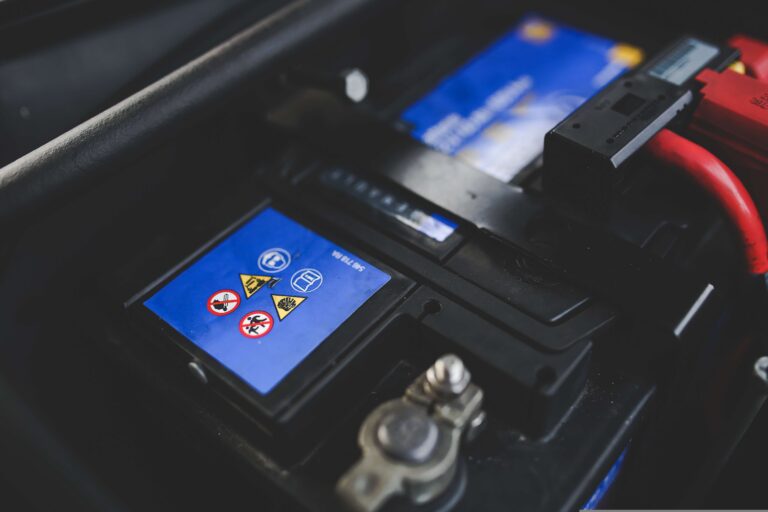
Lead-acid batteries, commonly used in car batteries, are highly efficient to recycle, with most components being reused. Lithium-ion batteries from electric vehicles and power tools also provide valuable raw materials for new energy storage systems.
Recycling Methods for Different Battery Types
Different recycling methods are used depending on battery chemistry. Household batteries are processed in bulk systems that separate metals from non-metal components. Lithium-ion batteries require advanced chemical and mechanical methods due to their complex structure.
Car batteries containing lead-acid systems are broken down efficiently, allowing materials to be reused. Each method ensures safe handling of hazardous materials while maximising resource recovery.
Environmental Importance of Battery Recycling
Battery recycling reduces pollution caused by improper disposal. It prevents toxic materials from entering soil and water systems and reduces the need for mining raw materials.
Efficient recycling processes also support the sustainable production of new batteries used in electric vehicles, power tools, and consumer electronics. This reduces environmental impact while supporting a circular economy.
Understanding how used batteries are recycled helps explain how lithium-ion batteries, lead-acid systems, household batteries, and car batteries are safely processed. Through controlled recycling processes involving dismantling, high temperatures, and advanced recycling methods, valuable materials are recovered and reused efficiently. This reduces waste and supports sustainable energy systems for the future.