A leisure battery is a rechargeable deep-cycle energy storage unit used in caravans and motorhomes to power electrical systems over a long period of time. It differs from a cranking battery in car systems because it is designed to deliver steady energy rather than a short burst. It supports electrical appliances, works with solar or electrical hook charging, and is rated using an Ah rating to define its battery capacity.
What Is a Leisure Battery?
A leisure battery stores energy for caravans and motorhomes, supplying steady power over a long period. It differs from a cranking battery, uses Ah rating to measure capacity, and supports off-grid living through solar or electrical hook-up charging. It is a reliable power source for electrical appliances when mains electricity is not available.
Lead-acid batteries used in leisure systems can be explored further through trusted industry resources such as lead-acid batteries which explain chemical composition and recycling processes.
For energy recovery and disposal processes linked to long-term battery use, more technical information is available via battery recycling services supporting safe environmental handling.
Core Purpose of a Leisure Battery
It is a specialised type of battery used in caravans and motorhomes to provide continuous energy when mains electricity is unavailable. Unlike standard car batteries, which act as a cranking battery for engine ignition, leisure batteries are engineered for sustained discharge.
These systems are essential for mobile living because they power lighting, refrigeration, water pumps, and onboard electrical appliances during travel or camping. Their performance depends on battery capacity, chemistry type, and energy demand conditions.

What Makes a Leisure Battery Different
If you’re asking what makes a leisure battery different, it is built for deep energy cycling rather than short bursts of power. This allows repeated charging and discharging without major performance loss.
Inside the unit, lead plates interact with acid to store and release energy gradually. This chemical process ensures stable output, which is why deep-cycle batteries are preferred for long-term off-grid use in caravans and motorhomes.
How Leisure Batteries Deliver Electrical Power
Energy is stored chemically and released as direct current (DC) when required. In caravans and motorhomes, this supports systems such as lighting, heating fans, and charging ports.
Power output adjusts based on demand, allowing the battery to hold charge when idle. This makes it suitable for off-grid environments where a reliable power source is required for daily use.
Types of Leisure Batteries Explained
Different types of leisure batteries are designed for different budgets, performance levels, and travel needs.
Lead-acid batteries remain the most common due to affordability and reliability. AGM models offer sealed, maintenance-free operation, while lithium batteries provide higher efficiency, faster charging, and longer lifespan.
Each type of battery responds differently to charging speed, discharge depth, and usage frequency, making selection important based on energy requirements.
Battery Capacity and Ah Rating
Battery capacity determines how much stored energy is available for use. It is measured using Ah rating, which indicates how many amps a battery can supply over one hour.
Higher Ah ratings allow longer usage periods before recharging is needed. This is especially important in caravans and motorhomes running multiple electrical appliances such as fridges, heaters, and lighting systems.
Proper energy planning ensures efficient use of stored power and improves long-term battery reliability.
Charging Methods for Leisure Batteries
A leisure battery can be charged using solar panels, vehicle alternators, or mains electricity through an electrical hook. Each charging method helps maintain a fully charged system depending on travel conditions.
Consistent charging is essential because leaving a battery discharged over a long period of time can reduce efficiency and shorten lifespan, particularly in lead-acid batteries.
Motor Mover and Power Demand
A motor mover is a high-energy device used to position caravans accurately. It depends heavily on the leisure battery for power supply.
Because of this, energy management is important. Other electrical appliances such as water pumps, heating systems, and lighting must be balanced to prevent excessive drain during off-grid use.
Car Batteries vs Leisure Batteries
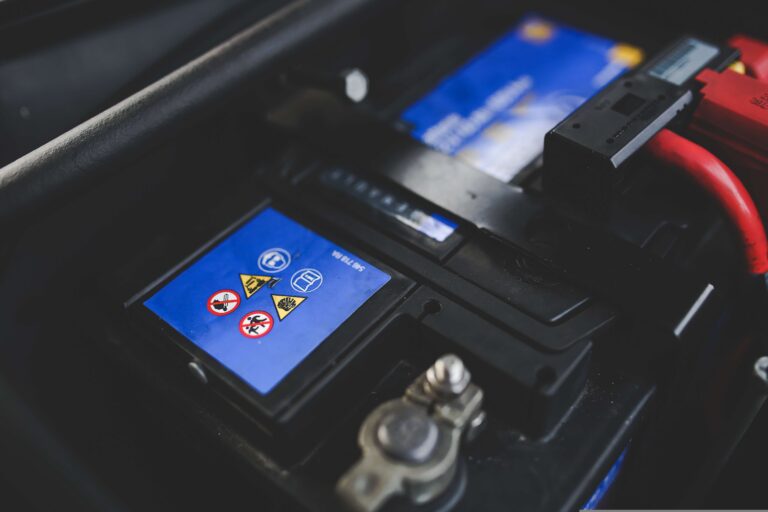
A cranking battery in a vehicle is designed to deliver a short, high-power burst to start an engine.
In contrast, leisure batteries are designed for sustained discharge over time. This makes car batteries unsuitable for powering onboard systems in caravans and motorhomes, where continuous energy is required.
Performance and Lifespan Factors
Battery lifespan depends on chemistry, usage patterns, and maintenance quality. Lead-acid batteries degrade faster if repeatedly deeply discharged.
Modern deep cycling batteries offer improved durability and stable performance over extended cycles. Keeping the system fully charged when not in use helps reduce performance loss during storage periods.
Why Leisure Batteries Are Essential for Travel
Leisure batteries provide independence from fixed electrical infrastructure. They allow users to operate essential systems in remote locations, making them vital for modern travel lifestyles.
They support everyday comfort features such as cooking systems, climate control, and device charging in caravans and motorhomes, ensuring reliable energy access anywhere.
Safety and Efficiency Considerations
Safe installation and correct usage improve both performance and lifespan. Batteries should be secured properly, ventilated where required, and matched with compatible charging systems.
Avoiding deep discharge beyond recommended levels prevents internal wear and helps maintain stable output over time.
Environmental Responsibility and Recycling
Proper disposal of batteries is important due to their chemical components. Recycling helps recover valuable materials such as lead and acid safely and responsibly.
Recycling also reduces environmental impact and supports sustainable energy practices across the UK.