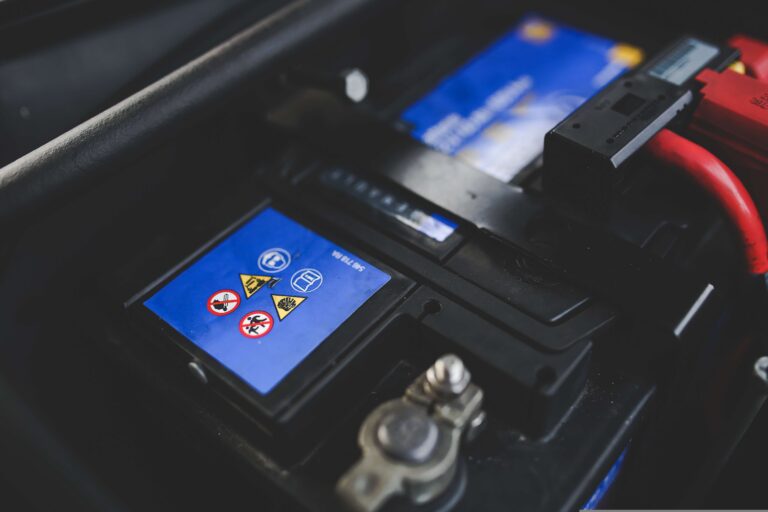
The type of energy stored in a battery is chemical energy. Batteries store chemical energy inside their cells and convert it into electrical energy through a chemical reaction. Put simply, energy is stored in a battery as chemical potential that later becomes useful electrical output. This process powers phones, laptops, vehicles, renewable energy systems, and household electronics.
Modern batteries are highly efficient because they can store and release energy safely over long periods. Advanced battery technology now supports electric vehicle systems, renewable energy storage, and portable electronics worldwide.
What Type of Energy Is Stored in A Battery?
A battery stores chemical energy. During use, a chemical reaction converts the stored chemical energy into electrical energy that powers electronic devices, vehicles, and energy storage systems.
How Batteries Store Energy
Batteries store energy in chemical form. Inside every battery are materials designed to react in a controlled way when connected to a circuit.
A battery contains three important parts:
- The anode releases electrons.
- The cathode receives electrons.
- The electrolyte allows ions to move between both terminals.
When the battery powers a device, electrons travel through the external circuit and produce electrical energy.
This energy conversion system makes batteries one of the most practical portable power sources available today.
Why Chemical Energy Is Used in Batteries
Chemical energy is suitable for battery energy storage because it remains stable for long-term use. Batteries can hold stored chemical energy until power is required.
This makes batteries ideal for:
- Portable electronics
- Emergency backup systems
- Electric vehicles
- Renewable energy storage
- Industrial equipment
Unlike direct electrical storage, chemical storage allows compact and reliable energy management in small and large devices.
How A Chemical Reaction Produces Electrical Energy
The process inside a battery starts with a chemical reaction between the materials in the battery cell.
The reaction causes electrons to move from the anode to the cathode through an external circuit. This movement creates a form of electrical current that powers the connected device.
The process follows these stages:
- Chemical reaction begins inside the battery
- Electrons leave the negative terminal
- Electrical energy flows through the circuit
- The device receives power
- Electrons return to the positive terminal
Rechargeable batteries reverse this process during charging. Electrical energy restores the stored chemical energy inside the battery.
Common Battery Types
Different battery types use different materials, but every battery stores energy in chemical form.
Lithium-Ion Batteries
Lithium-ion batteries are widely used because they offer high energy density and excellent efficiency.
These batteries’ power:
- Mobile phones
- Laptops
- Power tools
- Electric vehicle systems
- Renewable energy storage units
Lithium-ion batteries are lightweight, rechargeable, and highly efficient for modern electronics.
Lead Acid Batteries
Lead-acid batteries remain common in vehicles and industrial systems.
These batteries are often used in:
- Cars
- Backup generators
- Emergency lighting
- Large battery energy storage systems
Although heavier than lithium-ion batteries, lead-acid batteries are durable and cost-effective.
Alkaline Batteries
Alkaline batteries are disposable batteries commonly found in household electronics such as toys, clocks, and remote controls.
Battery Energy Storage in Renewable Energy Systems
Battery energy storage plays a major role in renewable energy production. Electricity generated from solar or wind systems is not always available when needed.
Batteries help solve this issue by storing excess electricity for later use.
For example, solar panels may produce extra electricity during daylight hours. Batteries store and release the energy when demand increases during the evening.
Large-scale battery storage systems also support national energy grids by improving power reliability and reducing energy waste.
Modern battery technology is helping renewable energy systems become more efficient and sustainable.
Why Energy Density Matters
Energy density measures how much energy a battery can store compared to its size or weight.
High energy density is important because it allows smaller batteries to operate devices for longer periods.
Lithium-ion batteries are popular because they provide significantly higher energy density than older battery types.
Improved energy density supports:
- Longer battery life
- Portable electronics
- Electric vehicle performance
- Efficient renewable energy storage
- Reduced charging frequency
Battery manufacturers continue to improve energy density to support future technologies.
Electric Vehicle Battery Technology
Every electric vehicle depends on advanced battery systems for performance and driving range.
Modern electric vehicle batteries use lithium-ion technology because it offers:
- Fast charging
- High energy density
- Reduced emissions
- Long operational lifespan
- Reliable electrical energy output
Battery innovation continues to improve electric vehicle efficiency and charging speed.
As battery technology develops further, electric vehicles are expected to become more affordable and accessible worldwide.
Mechanical Energy and Battery Systems
Mechanical energy can work alongside batteries in renewable energy systems.
For example, wind turbines use mechanical energy from moving air to generate electricity. Batteries then store the generated electrical energy for future use.
This connection between mechanical energy, renewable power generation, and battery storage supports cleaner and more reliable energy systems.
Environmental Benefits of Battery Recycling
Battery recycling reduces environmental waste and helps recover valuable materials used in battery manufacturing.
Proper recycling helps:
- Reduce landfill waste
- Prevent chemical pollution
- Recover reusable metals
- Support sustainable manufacturing
Consumers should always recycle old batteries responsibly using approved recycling services.
Future Developments in Battery Technology
Battery technology continues to advance to meet global energy demands.
Future developments may include:
- Solid-state batteries
- Faster charging systems
- Improved battery safety
- Higher energy density
- Longer-lasting battery cells
- Enhanced renewable energy storage
Researchers are also developing cleaner manufacturing methods to reduce the environmental impact of battery production.
So, if you are wondering what type of energy is stored in a battery, the answer is chemical energy. Batteries store chemical energy and convert it into electrical energy through a controlled chemical reaction.
This process powers modern electronics, renewable energy systems, industrial equipment, and electric vehicle technology. Advances in battery technology continue to improve energy density, efficiency, safety, and sustainability.
As demand for clean and reliable power increases, battery energy storage will remain essential for the future of transportation, renewable energy, and portable electronics.