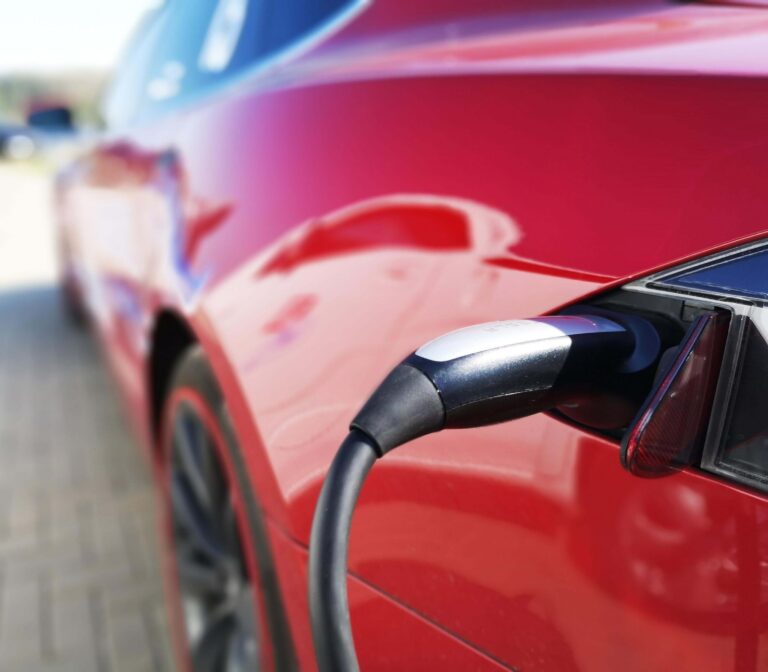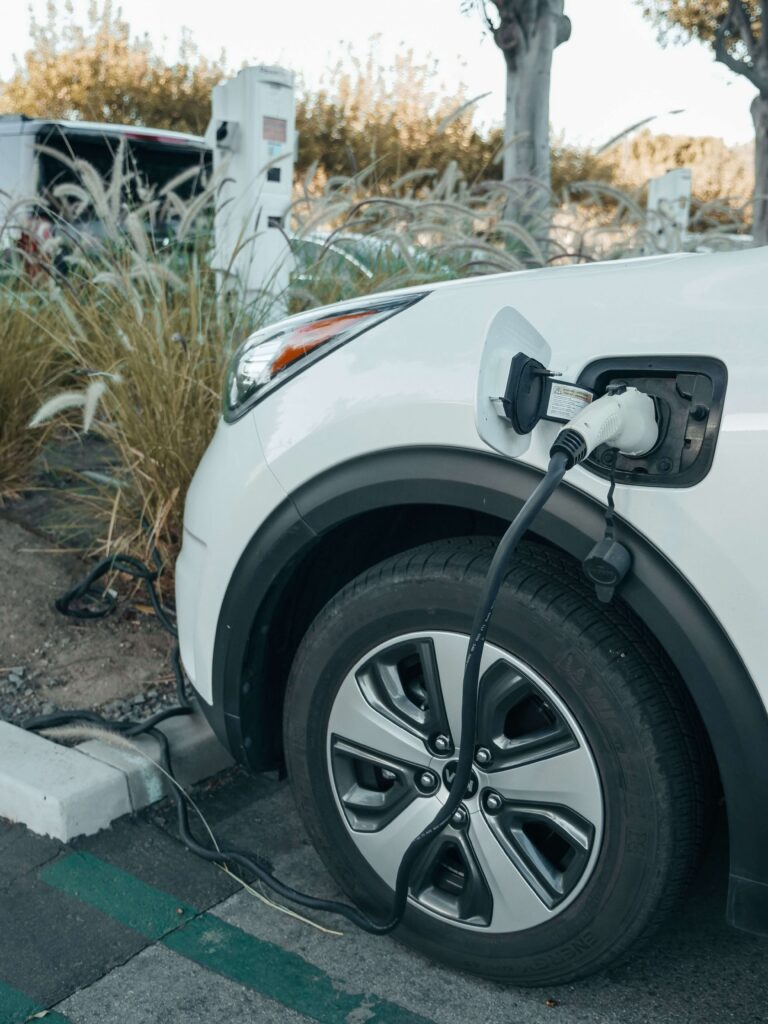
EV batteries are being recycled. Modern battery recycling systems recover valuable materials from electric vehicle batteries, including lithium, nickel, and cobalt, allowing reuse in new battery production and reducing environmental impact.
As demand for electric vehicles EVs continues to grow, recycling EV batteries is essential for maintaining a stable supply chain and reducing reliance on newly mined raw materials.
How Are EV Batteries Recycled?
The process of recycling EV batteries begins when used electric car batteries are transported to a specialised recycling plant. These batteries are discharged and dismantled into modules and individual battery cell units.
The materials are processed to produce black mass, which contains concentrated lithium, nickel and cobalt, and other reusable metals. This is refined and reused in battery recycling systems to support battery manufacturers and sustainable battery production.
Modern facilities now process large volumes, handling thousands of tonnes of batteries as the recycling market expands.
Why EV Battery Recycling Is Important
The importance of battery recycling lies in its environmental and economic benefits. Recovering raw materials reduces the need for mining, lowering emissions and environmental damage.
It also strengthens the global supply chain, ensuring key materials remain available for future battery production. Increasing the use of recycled content further improves sustainability across electric vehicle batteries.
In addition, repurposed batteries are used in battery energy storage, supporting renewable energy systems before recycling.
Are EV Batteries Being Recycled in the UK?
The UK is actively expanding its capacity to recycle EV batteries. Several advanced recycling plant facilities are already in operation, with more under development to handle increasing volumes of electric vehicle batteries.
Investment and policy are driving growth in the recycling market, encouraging higher recovery rates and increased use of recycled content.
Key Materials Recovered from EV Batteries
A major benefit of battery recycling is the recovery of valuable materials used in lithium ion batteries. These include lithium, nickel and cobalt, manganese, and graphite.
These materials are essential for future battery production and reduce the environmental impact of electric vehicles EVs. As recycling technology improves, recovery rates continue to increase, making the process more efficient.
Challenges in Recycling EV Batteries
Scaling recycling EV systems presents several challenges. Differences in battery cell design make dismantling complex, while strict safety requirements increase costs.
Transporting heavy electric car batteries to a recycling plant also requires specialised logistics. However, innovation is improving efficiency.
The Future of EV Battery Recycling
The future of battery recycling is focused on improving efficiency and scalability. Advances in processing black mass are increasing material recovery rates, while battery designs are becoming easier to recycle.
Second-life applications are also expanding. Used electric vehicle batteries are repurposed for battery energy storage, extending their lifespan before final recycling.
Public awareness continues to grow, with discussions such as what happens to EV batteries after disposal highlighting both progress and ongoing concerns.
EV batteries are being recycled using advanced processes that recover valuable materials from lithium ion batteries. These materials are reused in new battery production, reducing reliance on mining and strengthening the supply chain.
So, are EV batteries being recycled? Yes, and the industry is advancing quickly. As more electric vehicle batteries reach end-of-life, efficient battery recycling will be essential for sustainability.
By recovering raw materials, supporting the supply chain, and expanding the recycling market, the future of EV batteries is moving towards a circular system where resources are reused rather than wasted.