About NiMH Batteries
Nickel Metal Hydride rechargeable batteries (often called NiMH batteries) are designed to store and reuse electrical energy efficiently. They are widely used in household devices and are valued for being safer, reusable, and more environmentally conscious compared to disposable batteries.
These NiMH cells are part of a wider shift towards green energy and renewable energy sources, helping reduce dependency on fossil fuels while supporting more sustainable energy consumption habits.
If you’re asking, “What are NiMH batteries?”, they are rechargeable batteries that store energy using nickel and hydrogen-based compounds. They can be reused hundreds of times, making them cost-effective, reducing waste, and supporting environmentally conscious energy use in everyday devices.
How This Chemistry Works
These batteries produce and store energy through an electrochemical reaction between nickel oxide and a hydrogen-absorbing alloy. When charging, energy is stored; when discharging, the stored energy is released to power devices.
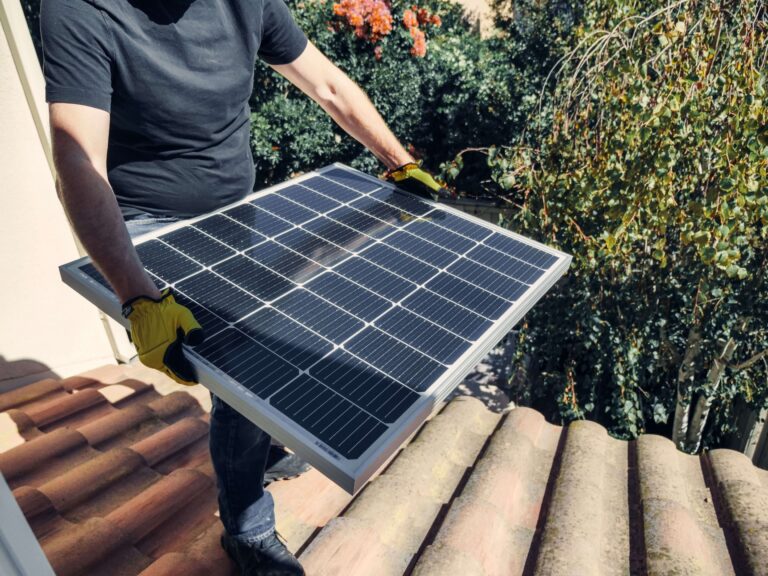
This process supports efficient energy reuse, similar in principle to how renewable energy sources store and manage power generated from solar panels and wind turbines.
Role in Renewable Energy Systems
Although this battery type does not directly generate electricity like wind power or solar farms, it plays an important supporting role in energy storage and efficiency.
They help manage excess energy produced by renewable systems such as solar and wind, ensuring energy is not wasted. This makes them relevant in modern energy strategies focused on switching to renewable energy and reducing dependence on traditional power systems. In practice, NiMH batteries in renewable energy projects are used for backup storage in small-scale systems.
For businesses exploring energy efficiency strategies, this technology complements broader sustainability efforts described in renewable energy for businesses and long-term efficiency planning.
Key Benefits of This Battery Type
They offer strong performance advantages, especially for users focused on sustainability and cost efficiency. Their rechargeable nature leads to long-term savings and reduces ongoing energy costs, particularly in high-use environments.
They also help reduce environmental impact by limiting disposable battery waste, supporting efforts to reduce carbon emissions, and improving overall energy responsibility.
Using these rechargeable cells contributes to a more environmentally conscious lifestyle, especially when combined with broader adoption of green energy systems. This includes households and organisations actively adopting renewables to improve sustainability outcomes.
Rechargeable Batteries and Renewable Energy for Businesses
For organisations investing in renewable energy for businesses, NiMH cells provide a practical way to improve energy efficiency in day-to-day operations. They are often used in backup systems, devices, and low-energy equipment where reliability is essential.
Businesses aiming to reduce their carbon footprint can integrate rechargeable battery systems as part of wider sustainability strategies. This supports long-term reductions in businesses’ carbon footprint and aligns with global efforts to lower emissions.
More insights on how companies benefit from renewable systems can be explored through guides on the benefits of renewable energy for businesses, which highlight cost savings, efficiency, and environmental improvements.
Environmental Impact and Sustainability
These cells support sustainability by reducing the demand for single-use batteries, which helps lower waste and pollution. They indirectly support systems working towards reducing reliance on fossil fuels and increasing the use of cleaner energy solutions.
Recycling is essential for sustainability. Proper disposal through battery recycling programmes ensures materials are recovered responsibly, reducing environmental harm and supporting circular energy practices.
Lifespan and Performance
These batteries typically last between 2 and 5 years or up to 1000 charge cycles. Their lifespan depends on charging habits, temperature exposure, and usage frequency.
They maintain stable performance across many devices, making them suitable for everyday electronics and moderate-drain applications.
Advantages and Limitations
They are valued for reliability, affordability, and environmental benefits. However, they can experience gradual self-discharge and may not store energy as efficiently as newer lithium-based technologies.
Despite these limitations, they remain a strong choice for users prioritising sustainability, safety, and cost-effectiveness.