Electric Vehicle Battery Technology Explained
Electric vehicle battery technology is the system that stores and delivers electrical energy in EV batteries to power electric vehicles. It relies mainly on lithium-ion batteries with high energy density, advanced battery designs, and efficient thermal management systems. This technology improves energy storage, reduces charging time, supports fast charging networks, and enables cleaner transport. Ongoing improvements in battery recycling, raw materials efficiency, and supply chains are making electric vehicles more sustainable and affordable. This electric vehicle battery technology explained overview highlights how an EV battery stores energy and supports performance.
Electric vehicle battery technology is the foundation of modern electric mobility. It allows vehicles to store electrical energy and convert it into motion with high efficiency. At the centre of this system are EV batteries—each electric vehicle battery is designed to deliver high energy output while maintaining safety, durability, and long-term performance.
The rapid growth of electric transport depends on improvements in lithium-ion batteries, energy density, battery technologies, and charging infrastructure. As innovation continues, electric vehicles are becoming more practical for everyday use, supported by expanding charging networks and better battery recycling systems.
What Electric Vehicle Battery Technology Means
Electric vehicle battery technology refers to the systems that store electrical energy and supply it to the motor of an electric vehicle. These systems are designed using advanced battery designs that maximise performance while reducing energy loss.
Modern EV batteries are built to deliver high energy output while maintaining stability under different driving conditions. The most common systems today use lithium-ion batteries because they provide strong energy density, long lifespan, and efficient energy storage.
This technology is also used in plug-in hybrid electric vehicles PHEV and hybrid electric vehicle systems, where batteries work alongside combustion engines to improve efficiency and reduce fuel consumption.
How EV Batteries Store and Use Energy
EV batteries (sometimes called an ev battery pack) work by storing electrical energy in chemical form and releasing it when needed. When charging, electrical energy is transferred into the battery cells. When driving, the stored energy is converted into motion.
This relationship helps explain how electrical power is delivered inside electric vehicle systems.
Efficient thermal management systems ensure that batteries remain within safe operating temperatures. This is especially important during fast charging and high-power driving conditions, where heat generation increases significantly.
Advanced battery technologies help balance energy flow, improve charging time, and extend battery lifespan.
Lithium-Ion Batteries and Energy Storage Systems
Lithium-ion batteries are the most widely used technology in electric vehicles today. They offer high energy storage capacity, strong energy density, and long operational life.
These batteries rely on valuable materials such as lithium, nickel, cobalt, and graphite. These raw materials are essential for producing high-performance battery cells. However, global supply chains for these materials are complex and require careful management to ensure stability and sustainability.
As demand increases, manufacturers are improving sourcing methods and developing better recycling systems to recover valuable materials from used batteries.
Battery Designs and Battery Technologies
Modern battery designs focus on improving safety, efficiency, and energy output. Engineers are constantly developing new battery technologies that increase performance while reducing weight and cost.
Lithium-ion batteries remain dominant, but new innovations are emerging. These include improved electrode materials, solid-state designs, and advanced cooling systems that enhance stability.
Research on the future EV battery technologies shows that next-generation systems will offer faster charging, longer range, and improved sustainability.
Battery designs are also being optimised to reduce reliance on scarce raw materials while improving overall energy efficiency.
Charging Network and Fast Charging Development
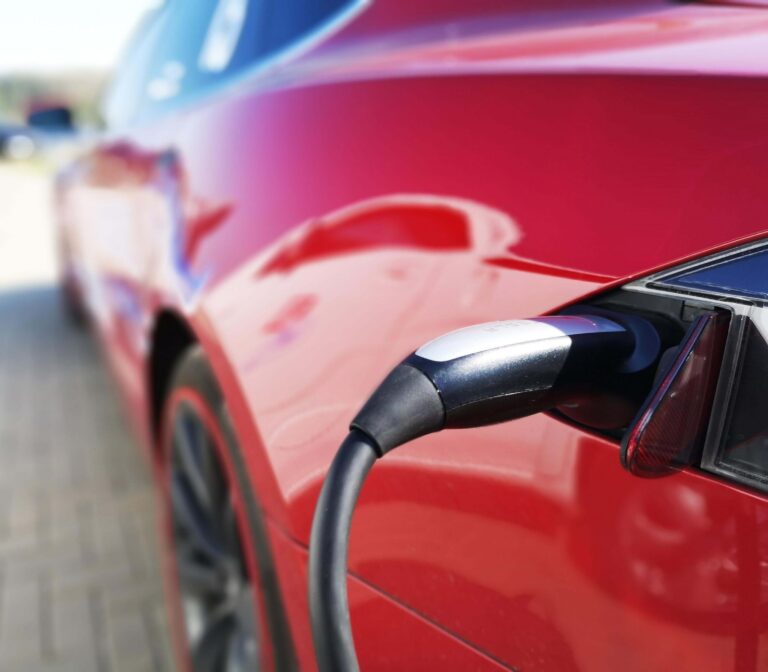
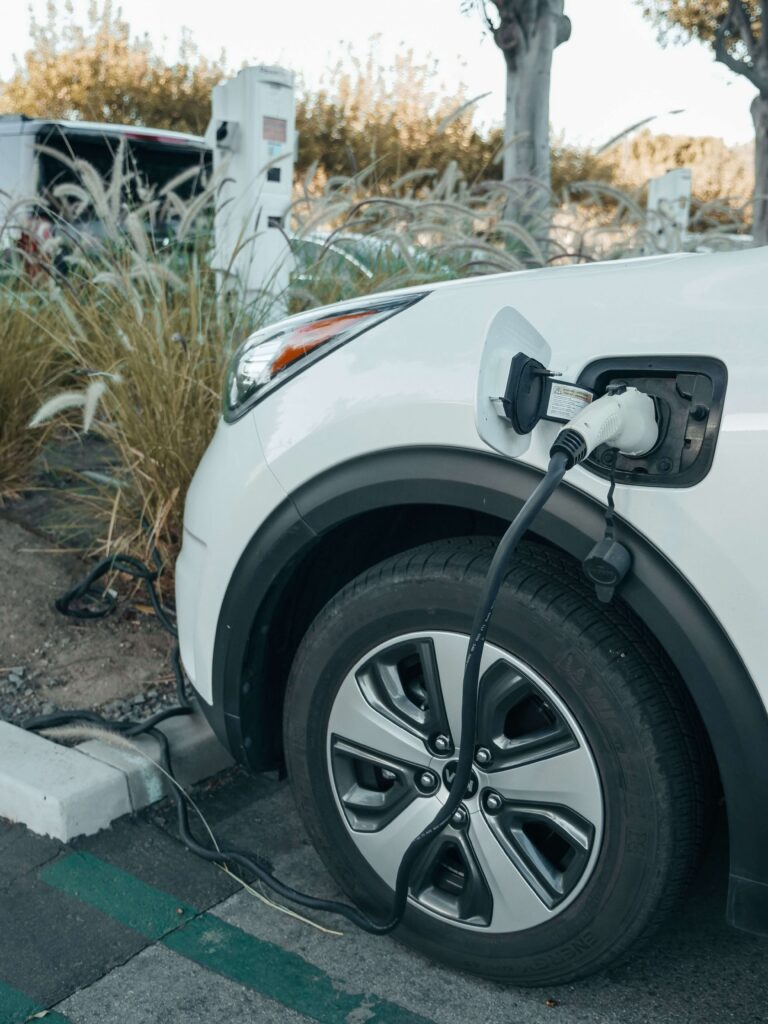
A strong charging network is essential for electric vehicle adoption. Charging stations allow drivers to recharge EV batteries at home, workplaces, and public locations.
Fast charging technology has significantly reduced charging time, allowing vehicles to recharge much faster than traditional systems. This is made possible by improved battery technologies and advanced thermal management systems that control heat during high-power charging.
Fast charging networks continue to expand globally, making electric vehicles more practical for long-distance travel and daily commuting.
Battery Recycling and Sustainability Improvements
Battery recycling is a critical part of sustainable electric vehicle development. As EV batteries reach the end of their life, recycling systems recover valuable materials such as lithium, cobalt, and nickel.
This reduces dependence on raw materials and helps stabilise supply chains. Recycling also lowers environmental impact and supports a circular economy approach.
More advanced recycling methods are being developed to increase recovery efficiency and reduce waste.
Supply Chains and Raw Materials Challenges
Electric vehicle battery production depends heavily on global supply chains. These systems manage the sourcing and transportation of raw materials required for EV batteries.
Materials such as lithium, cobalt, and nickel are essential for high-energy-density batteries. However, limited availability and rising demand can create pressure on supply chains.
To address this, manufacturers are investing in recycling technologies and alternative materials to reduce dependency on scarce resources and improve long-term sustainability.
Thermal Management System Importance
A thermal management system plays a vital role in maintaining battery safety and performance. It regulates temperature during charging, driving, and idle conditions.
Without proper temperature control, batteries could lose efficiency or become unsafe. This system ensures stable performance even under fast charging or high-energy usage conditions.
Effective thermal management also extends battery lifespan and improves overall vehicle reliability.
Future of Electric Vehicle Battery Technology
The future of electric vehicle battery technology is focused on higher efficiency, faster charging, and improved sustainability.
Innovations in battery designs are expected to reduce charging time significantly while increasing driving range. Research shows that next-generation systems will use improved materials and advanced chemistry to achieve higher energy density.
Recent breakthroughs in advanced EV battery innovations highlight the direction of ultra-long-range and high-performance electric vehicles.
Future developments will also focus on reducing costs, improving recycling systems, and strengthening global supply chains.
Key Improvements Driving the Industry Forward
Electric vehicle battery technology is evolving due to several key improvements. These include better energy storage systems, improved lithium-ion batteries, and more efficient charging networks.
Advances in fast charging, thermal management systems, and battery recycling are making EVs more reliable and sustainable. Combined with stronger supply chains and improved raw materials processing, the industry is moving toward cleaner transport solutions.
Electric vehicle battery technology is transforming the future of transportation. With improvements in EV batteries, lithium-ion batteries, energy density, and battery technologies, electric vehicles are becoming more efficient and widely adopted.
As charging networks expand and battery recycling improves, EVs are becoming more sustainable and accessible. Continued innovation will ensure faster charging time, better performance, and reduced environmental impact.
The future of transport depends on smarter energy storage systems and advanced battery designs that support a cleaner and more efficient world.