Lithium Battery Safety
 alona
on
June 16, 2026
alona
on
June 16, 2026
What Is Lithium Battery Safety?
Lithium battery safety refers to the correct storage, charging, transportation, and disposal of lithium-ion batteries to reduce the risk of fire, overheating, and battery failure. Because lithium batteries store a significant amount of energy in a compact cell, proper handling is essential for protecting people, property, and electronic devices.
As lithium-ion batteries continue to power smartphones, laptops, power tools, electric vehicles, renewable energy systems, bikes and e-scooters, understanding battery safety has become increasingly important for households and businesses alike.
Lithium Battery Safety
Lithium batteries are safe when used correctly. Most incidents occur because of physical damage, poor charging habits, defective chargers, manufacturing faults, or exposure to excessive temperatures. Following manufacturer guidelines significantly reduces the risk of fire and helps maximise battery lifespan.
Why Lithium-Ion Batteries Require Special Care
Unlike traditional battery technologies, lithium-ion batteries contain a high amount of energy within a relatively small space. This energy density allows devices to operate longer while remaining lightweight and portable.
However, if a battery becomes damaged, punctured, crushed, or exposed to extreme heat, internal chemical reactions may occur. In rare circumstances, these reactions can trigger thermal runaway, causing temperatures to rise rapidly and potentially resulting in lithium-ion battery fires.
For this reason, battery safety should always be considered throughout the battery lifecycle, from purchase and daily use through to recycling and disposal.
How to Store Lithium Batteries Safely
Correct storage plays a critical role in lithium battery safety.
Batteries should be kept in a dry, cool environment away from direct sunlight, radiators, heaters, and other heat-producing equipment. Excessive temperatures accelerate degradation and increase the risk of fire.
For long-term storage, batteries should ideally remain partially charged between 40% and 60%. Fully discharged batteries may become unstable over time, while continuously storing batteries at 100% charge can shorten operational lifespan.
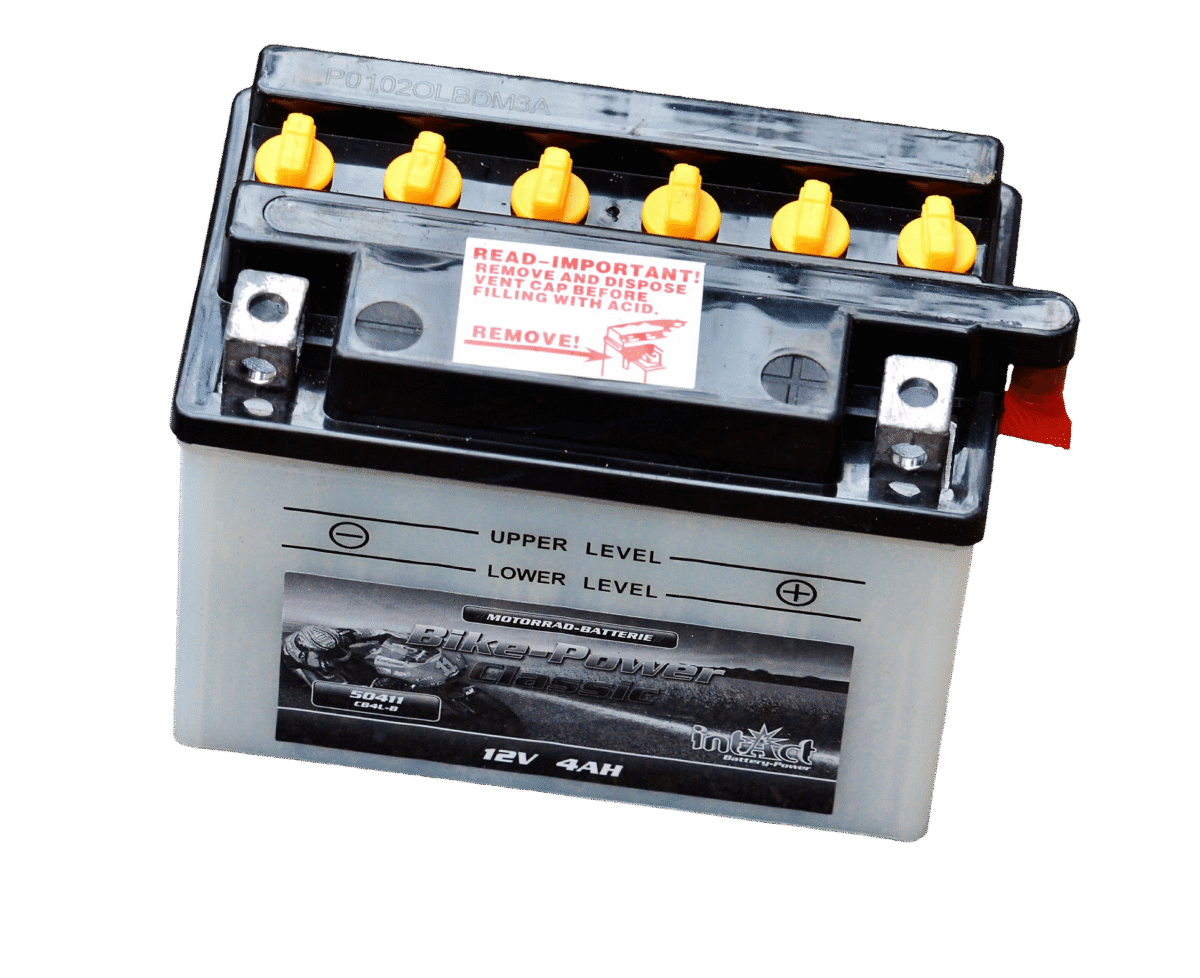
Where possible, batteries should be stored in protective containers that prevent contact with conductive materials such as keys, coins and metal tools. This helps eliminate the possibility of accidental short circuits.
Businesses managing large battery inventories should implement dedicated fire-resistant storage systems and regular inspection procedures.
Safe Charging Practices for Lithium-Ion Batteries
Proper charging habits are essential for maintaining battery performance and reducing safety risks.
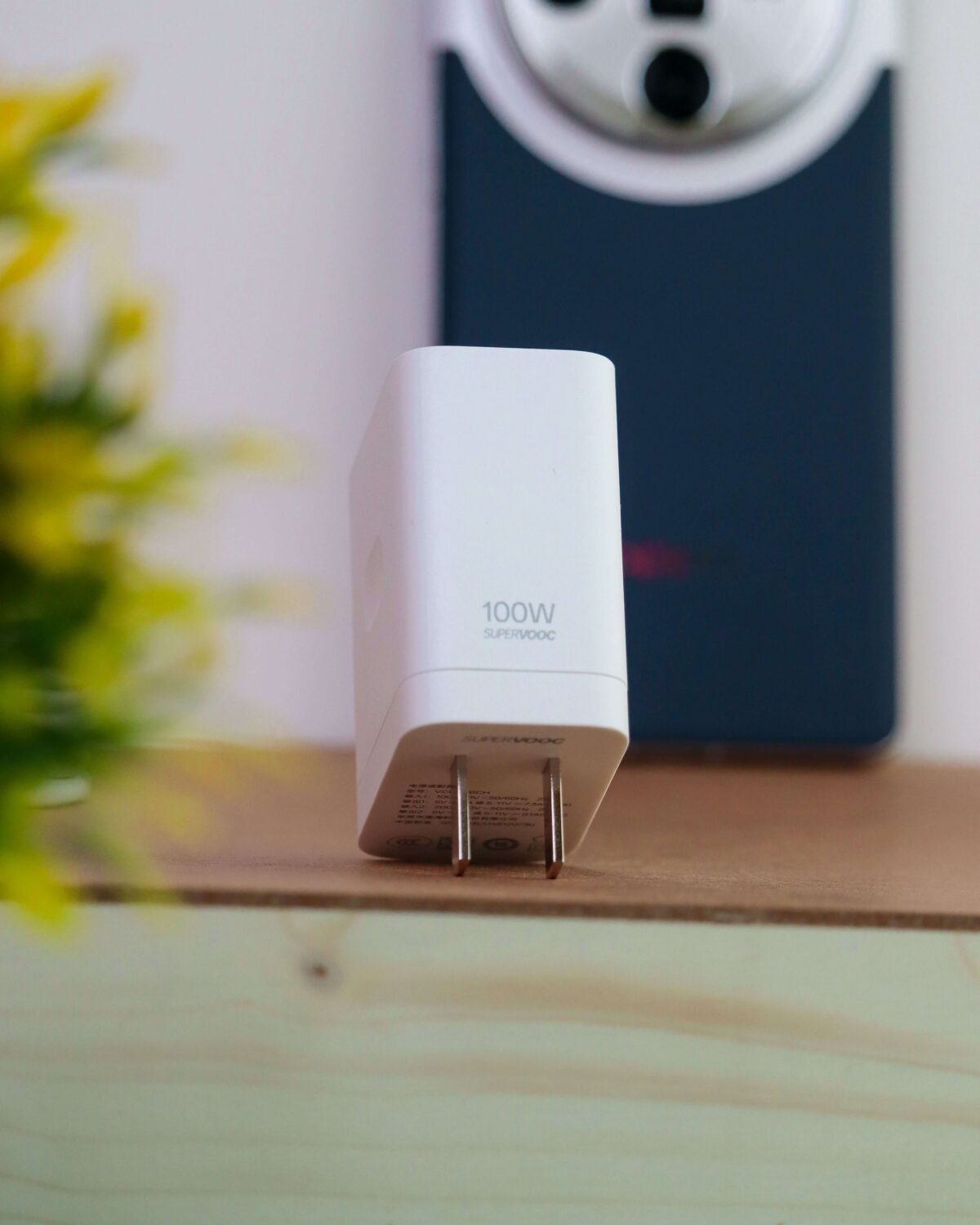
Always use manufacturer-approved chargers and charging accessories. Using counterfeit or incompatible equipment can expose batteries to incorrect voltage levels and excessive heat generation.
Lithium-ion batteries should be charged on hard, non-flammable surfaces with adequate airflow. Charging devices under pillows, blankets or soft furnishings can trap heat and increase the likelihood of battery failure.
It is also advisable to disconnect charging equipment once the battery reaches full capacity, particularly for older devices that lack advanced battery management systems.
Any battery showing signs of swelling, leakage, cracking or physical damage should be removed from service immediately.
Common Causes of Lithium-Ion Battery Fires
Several factors contribute to lithium-ion battery fires.
The most common causes include physical damage, manufacturing defects, overcharging, poor-quality replacement batteries, exposure to water, and extreme temperatures. Improper modifications to battery-powered devices can also increase safety risks.
Many incidents involving bikes and e-scooters have been linked to damaged batteries or non-approved charging equipment. Regular inspection and proper maintenance can significantly reduce these risks.
Warning Signs of a Failing Battery
Recognising battery problems early can help prevent costly damage and safety incidents.
Potential warning signs include excessive heat during charging, swollen battery casings, unusual smells, leaking fluids, visible cracks, reduced performance, and unexpected device shutdowns.
If any of these symptoms occur, discontinue use immediately and arrange safe assessment or disposal.
Fire Safety Measures for Lithium Batteries
Effective fire safety practices are essential wherever lithium batteries are used, charged or stored.
Batteries should never be exposed to open flames or high-temperature environments. Damaged batteries must be isolated from combustible materials and stored safely until disposal.
Workplaces using significant numbers of batteries should maintain fire detection systems, staff training programmes, and emergency response procedures. These measures help minimise the consequences of a battery fire should an incident occur.
Regular risk assessments also support compliance with health and safety obligations while improving overall workplace safety.
Safe Transportation of Lithium Batteries
Transporting lithium batteries requires additional precautions because damaged batteries may present a risk of fire during transit.
Battery terminals should be protected from accidental contact, and batteries should be packaged securely to prevent movement or impact damage. Businesses shipping batteries must comply with applicable transportation regulations and packaging requirements.
Appropriate handling procedures help ensure batteries reach their destination safely while protecting employees, carriers, and customers.
The Importance of Lithium Battery Recycling
Responsible disposal forms an essential part of lithium battery safety.
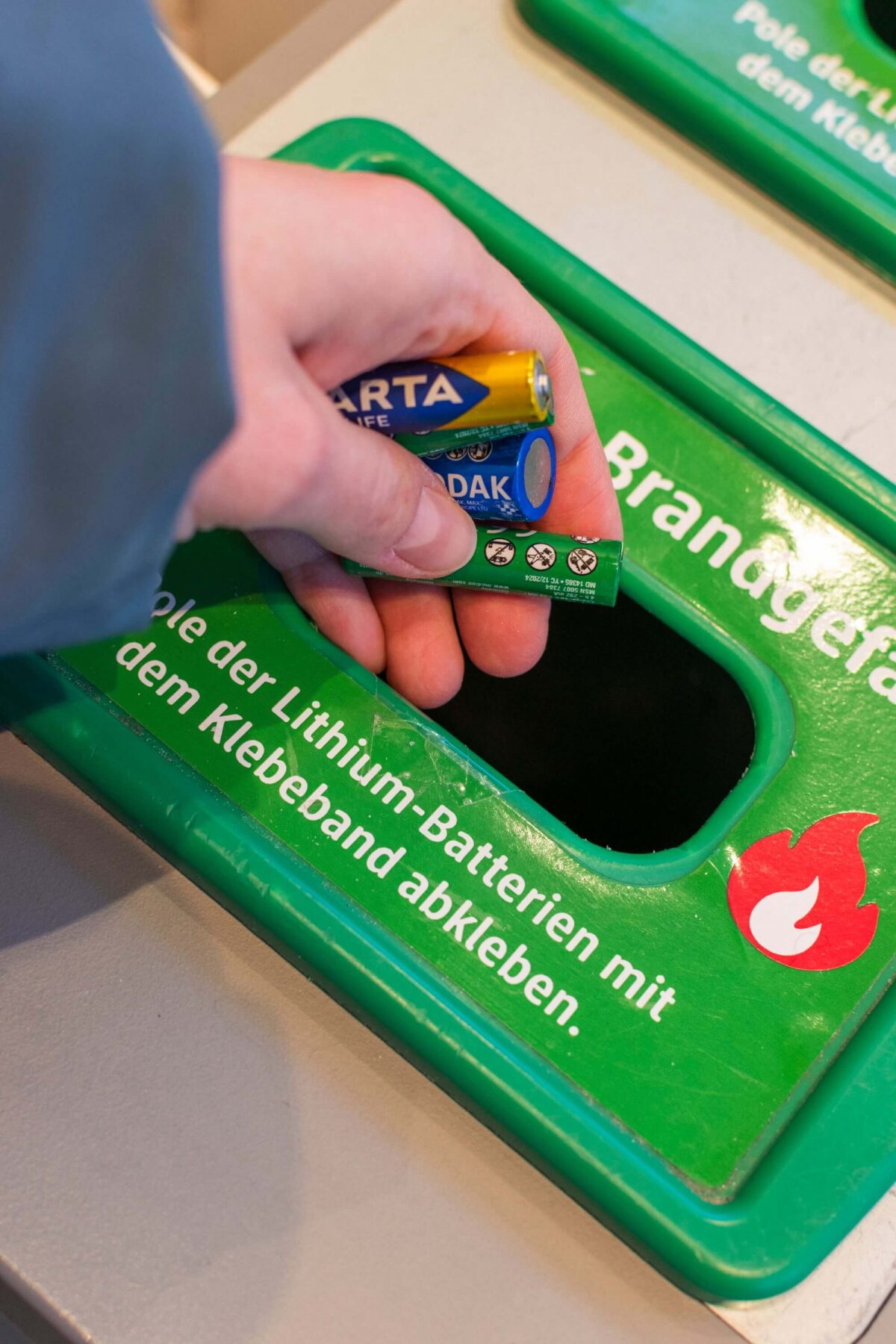
Lithium batteries should never be placed in general waste bins because damaged cells can ignite within refuse vehicles, waste transfer stations, and recycling facilities.
Using professional lithium battery recycling services ensures batteries are processed safely while valuable materials such as lithium, cobalt and nickel are recovered for reuse. Proper recycling also reduces environmental impact and supports the circular economy.
For businesses and organisations generating larger battery volumes, specialist battery recycling services provide compliant collection, transportation and recycling solutions.
Lithium battery safety involves far more than careful charging. Safe storage, responsible transportation, regular inspections, and compliant recycling all contribute to reducing the risk of fire and improving battery longevity. Because lithium-ion batteries contain a substantial amount of energy, following best practices helps protect users, equipment, and the environment. Whether managing household devices, electric vehicles, renewable energy systems, bikes and e-scooters, or commercial battery stocks, adopting a proactive approach to battery safety delivers long-term benefits.