Can Batteries Expire?
 alona
on
July 23, 2026
alona
on
July 23, 2026
Understanding Battery Lifespan
The lifespan of a battery depends on factors such as the battery type, manufacturing date, storage conditions, and usage patterns. While some batteries can maintain power for many years, others may have a shorter shelf life due to higher discharge rates or repeated charging cycles. A battery’s expiration depends on the chemistry, manufacturing quality, storage, and usage habits that determine a battery’s lifespan in real-world conditions.
Understanding battery expiration dates helps households and businesses recognise when batteries need replacing, avoid device damage caused by leakage or swelling, and manage old batteries through responsible recycling methods.
Can Batteries Expire?
Yes, batteries expire because the chemical materials inside them gradually lose efficiency over time. Although a battery may still work after its recommended expiration date, it can provide less power, have reduced capacity, or become unsafe depending on its condition.
Every battery has a limited lifespan known as its calendar life, which refers to how long it remains effective from the manufacturing date, whether it is used regularly or stored. Factors such as temperature, storage conditions, battery type, and discharge rates all affect how quickly a battery loses performance.
Understanding battery expiration dates helps households and businesses avoid unexpected failures, protect devices, and manage battery waste responsibly.
Batteries can expire even when unused. Their internal chemicals slowly degrade, causing reduced performance over time. Proper storage in a cool, dry location can extend battery life, while heat, moisture, and incorrect handling can speed up deterioration.
Why Do Batteries Expire?
Batteries produce energy through chemical reactions between internal materials. Over time, these reactions become less effective, causing the battery to lose its ability to hold and deliver power. Some informal sources refer to this process as batteries expiation, though expiration is the correct term.
The ageing process begins from the moment a battery is manufactured. Even batteries kept in packaging experience gradual chemical changes. This means the time a battery remains useful depends on its design, materials, and storage environment.
Different battery technologies also age at different rates. For example, alkaline batteries usually have a long shelf life, while some rechargeable batteries may lose capacity faster because they are affected by repeated charging cycles.
How Long Do Different Battery Types Last?
Battery lifespan varies depending on the chemistry and intended use. Some batteries are designed for short-term household devices, while others are built for long-term industrial applications.
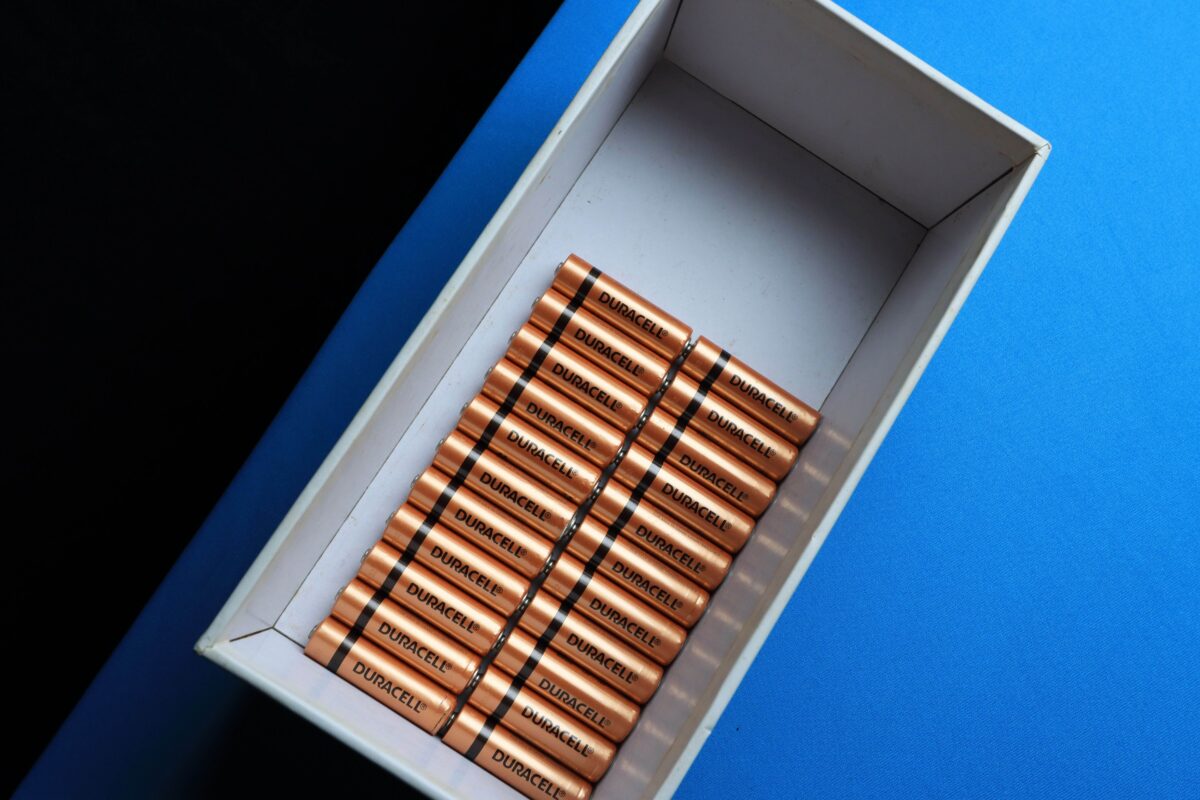
Alkaline batteries are commonly used in household items such as clocks, toys, and remote controls. They often have a long shelf life and can remain usable for several years when stored correctly.
Lithium-ion batteries are widely used in laptops, smartphones, electric vehicles, and energy storage systems. They offer high energy density but usually experience gradual capacity loss over time. Heat exposure and frequent charging can reduce their lifespan.
Rechargeable batteries are designed for repeated use but naturally lose their ability to store energy after many charging cycles. Rechargeable lithium batteries typically maintain strong performance for several years when properly managed.
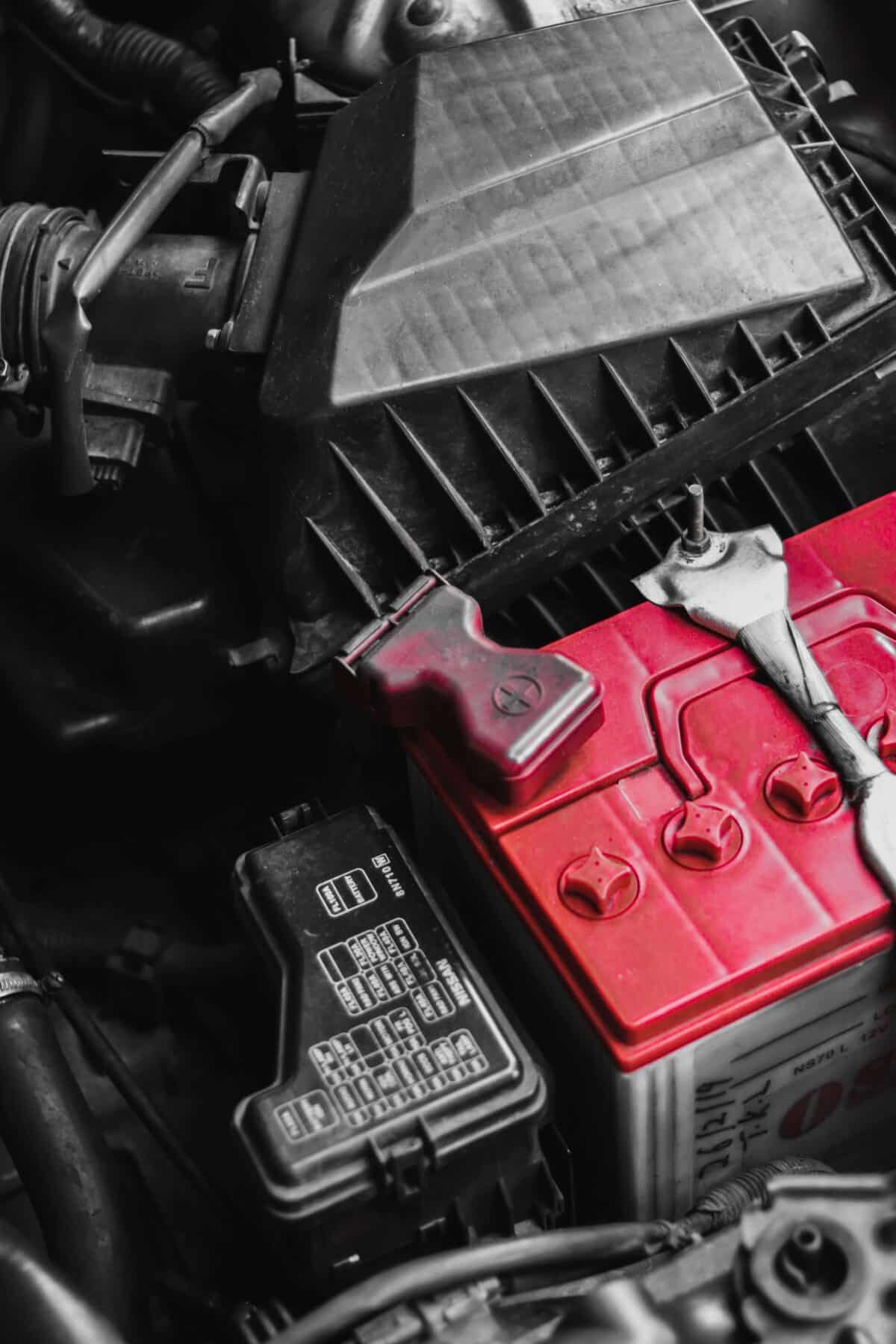
Lead-acid batteries are commonly used in vehicles, backup power systems, and renewable energy applications. Their lifespan depends heavily on maintenance, charging habits, and operating conditions.
Do Batteries Expire If They Are Not Used?
Yes, batteries can expire even if they remain unused. Many people assume unopened batteries will last forever, but all batteries slowly lose performance because internal chemical reactions continue over time.
The manufacturing date is important because it shows when the battery was produced. A battery that has spent many years in storage may have lower capacity compared with a newly manufactured product, even if it has never been installed in a device.
Storage conditions also play a major role. Batteries stored in a cool, dry environment usually maintain their performance longer than batteries exposed to heat, humidity, or direct sunlight.
For example, a pack of batteries stored correctly in a cupboard may still work after several years, while the same battery stored in a hot garage may fail much earlier.
What Causes Batteries to Lose Performance?
Several factors influence how quickly batteries age:
Temperature Changes
Heat is one of the biggest causes of battery degradation. High temperatures increase chemical activity inside the battery, which can shorten its lifespan and reduce reliability.
Cold temperatures can also affect battery performance. Although some batteries recover once they return to normal temperatures, repeated exposure to extreme conditions can cause permanent damage.
Natural Discharge
All batteries experience self-discharge, meaning they gradually lose stored energy even when they are not being used. Different battery types have different discharge rates, which affects how long they remain effective during storage.
Battery Design
Each battery type has different chemical properties. Some batteries are designed for a longer lifespan, while others are intended for temporary use.
For example, lithium-based batteries often provide excellent energy storage, but their performance depends on correct charging, temperature control, and usage patterns.
Signs That a Battery Has Expired
Knowing the warning signs of an ageing battery helps prevent device problems and safety risks. While some expired batteries simply stop working, others may show physical changes that require immediate attention.
One common sign is reduced performance. A device may turn off unexpectedly, lose power quickly, or fail to operate even after installing a battery that appears unused.
Another warning sign is leakage or swelling. A damaged battery may release chemicals or develop a swollen appearance due to internal pressure. Batteries showing these conditions should not be used because they can damage electronic devices and create safety concerns.
Other signs that a battery may have reached the end of its usable life include:
A battery that no longer provides enough power for normal operation.
Rechargeable batteries that lose charge much faster than before.
Visible corrosion around the terminals.
Unusual heat during charging or use.
A damaged outer casing or distorted shape.
The age of a battery should also be considered. Even if there are no visible problems, older batteries may not deliver reliable performance because their internal materials have naturally degraded.
How to Store Batteries to Extend Their Lifespan
Correct storage can significantly improve battery performance and help maintain capacity for a longer period. The ideal storage environment depends on the battery type, but most batteries perform best when kept away from extreme conditions.
Batteries should be stored in a cool, dry location away from direct sunlight, moisture, and heat sources. High humidity can damage battery components, while excessive heat can accelerate chemical breakdown.
Keeping batteries in their original packaging is recommended because it prevents contact with metal objects that may create accidental short circuits. Loose batteries stored together with coins, keys, or other metal items can become damaged or lose charge.
For long-term storage, check battery condition regularly and avoid leaving batteries inside unused devices. Devices that remain switched off for extended periods can still drain batteries and increase the risk of leakage.
Proper storage is especially important for lithium-ion batteries, as incorrect conditions can affect performance, safety, and overall lifespan.
Can Expired Batteries Damage Electronic Devices?
Yes, expired batteries can damage electronic equipment, especially when they experience chemical leakage. When battery materials break down, they may release substances that corrode electrical connections.
Small devices such as cameras, toys, clocks, and small electronic equipment are particularly vulnerable because leaked chemicals can reach internal components quickly.
Removing old batteries from unused devices reduces the risk of corrosion. If a battery shows signs of damage, avoid touching leaked material directly and follow appropriate safety guidance.
For businesses managing larger quantities of used batteries, responsible disposal is essential. Sending old batteries through approved battery recycling channels helps recover valuable materials while reducing environmental impact.
How Battery Expiration Dates Help Consumers
Battery expiration dates provide an estimate of how long a battery should maintain reliable performance under recommended storage conditions.
The printed date does not mean the battery stops working immediately afterwards. Instead, it indicates the period when manufacturers expect the battery to perform at its best.
A battery close to its expiration date may still work in low-power devices, but it may not be suitable for applications where consistent power is required.
For example, emergency equipment, security systems, medical devices, and industrial technology often require dependable batteries. Using older batteries in these situations can increase the chance of unexpected failure.
Checking battery expiration dates before installation helps users choose the right battery for each application.
Are Rechargeable Batteries Different from Regular Batteries?
Rechargeable batteries are different because they are designed to be used multiple times. However, they still expire because their ability to store energy decreases after repeated charging cycles.
The lifespan of rechargeable batteries depends on charging habits, operating temperatures, and how frequently they are used.
Over time, rechargeable batteries may experience:
Reduced charging capacity.
Shorter operating times.
Slower charging performance.
Increased heat during use.
Rechargeable lithium batteries are commonly used in modern electronics because they provide efficient energy storage. However, they still require proper care to maintain performance over the long term.
Avoiding extreme temperatures, using suitable chargers, and following manufacturer recommendations can help extend rechargeable battery life.
Safe Disposal of Expired Batteries
Expired batteries should never be placed in general household waste because they contain materials that can be recovered and reused through specialist recycling processes.
Battery recycling helps reduce environmental impact by recovering metals and preventing potentially harmful materials from entering landfill.
Households and businesses should separate old batteries and use appropriate collection services. Professional battery recycling services provide a safer solution for handling different battery types, including lithium, alkaline, and rechargeable batteries.
Before recycling batteries, keep them in a safe location away from heat and moisture. Damaged batteries should be handled carefully because leakage or swelling may indicate internal problems.
Understanding battery expiration helps users make safer choices when storing, using, and replacing different battery types. Although batteries may still work after their expiration date, their performance and reliability can decline as internal chemicals naturally degrade. Keeping batteries in a cool, dry environment, checking manufacturing dates, and identifying signs such as leakage, swelling, or reduced power can improve safety and extend usability. Whether using alkaline batteries, rechargeable batteries, lithium-ion batteries, or lead-acid batteries, responsible battery management and proper recycling help reduce waste, recover valuable materials, and support safer battery use.
Frequently Asked Questions
Can Batteries Expire After Years in Storage?
Yes, batteries can expire after years in storage. Even unused batteries gradually lose their ability to hold energy because internal chemical reactions continue over time. The exact lifespan depends on the battery type, storage conditions, and the materials used during manufacturing.
Batteries stored in a cool dry environment usually maintain better performance compared with batteries exposed to heat or humidity. Checking the manufacturing date can help determine whether stored batteries are still suitable for use.
Do Alkaline Batteries Expire?
Yes, alkaline batteries expire, although they generally have a long shelf life compared with many other battery types. When stored correctly, they can remain usable for several years.
Over time, alkaline batteries may lose voltage and become less reliable. Older batteries should be checked before use, especially when installed in important equipment.
Do Lithium-Ion Batteries Have an Expiration Date?
Yes, lithium-ion batteries have an expiration period. Their performance decreases gradually due to chemical ageing, even when they are not frequently used.
Factors such as charging habits, heat exposure, storage conditions, and usage patterns affect how quickly lithium-ion batteries lose capacity.
How Can You Tell If a Battery Is Too Old?
A battery may be too old if it has passed its recommended expiration date, shows reduced performance, or displays physical damage such as corrosion, leakage, or swelling.
Checking the manufacturing date, battery condition, and device performance can help determine whether replacement is necessary.
Can Expired Batteries Still Be Used?
Expired batteries may still provide power, but their performance cannot be guaranteed. They may have lower capacity, shorter operating times, or increased risk of failure.
For low-power devices such as remote controls, an older battery may sometimes continue working. However, important equipment should always use batteries within their recommended lifespan.